Clicks Makes a Smartphone Built Around Physical Typing
Clicks Makes a Smartphone Built Around Physical Typing
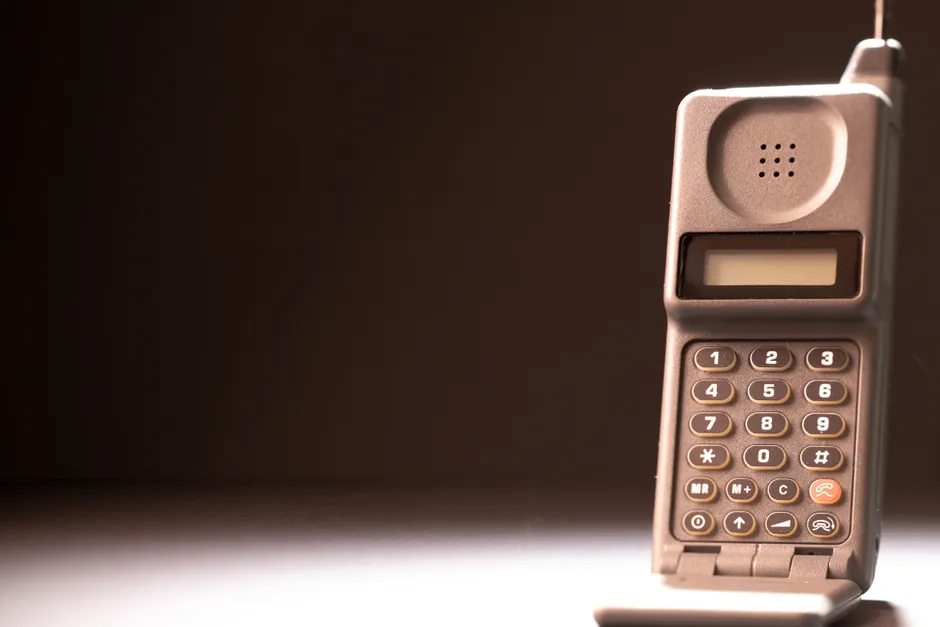
A startup called Clicks has built an Android phone with a slide-out physical QWERTY keyboard, positioning it for people who do a lot of typing and prefer keys to touchscreen keyboards.
The device, called the Communicator, was on display at CES 2026 in early January. TechCrunch got hands-on time with a prototype and immediately drew parallels to BlackBerry — the comparison is apt, since the physical keyboard was exactly what BlackBerry built its reputation on before touchscreen phones phased that out entirely.
Clicks started as an accessory maker. The company initially sold clip-on keyboard attachments for iPhones — a way to add physical keys to an existing phone without replacing it. The Communicator shifts that logic entirely. This is a phone designed from the ground up with a keyboard baked into the hardware, not an add-on tacked to the side.
Context: Why Physical Keyboards Disappeared, and Why Some People Still Want Them
Physical keyboards have been largely absent from mainstream smartphones for more than a decade. There have been attempts to bring them back — BlackBerry's own Android phones like the KEYone and KEY2, or the Fxtec Pro1 series — but they all found small, passionate audiences and hit a hard ceiling. The pattern repeated: there genuinely are people who love hardware keyboards on phones, but that group has never been large enough to support a major product line at scale. Clicks, coming from the accessory world, may have a clearer picture of exactly who that audience is and what they will realistically pay.
Clicks says the Communicator is designed for communication-heavy work: messaging, email, and fast-response professional environments where tapping glass feels slower than typing on real keys. Whether the actual hardware solves that problem remains to be tested once a final version ships. Prototypes shown at trade shows often change significantly before release.
The choice to use Android makes practical sense. It lets Clicks tap into Google's app ecosystem without the massive cost of building or licensing its own operating system. More importantly, it avoids the app-compatibility problems that hurt some earlier keyboard phones. An Android phone with physical keys is still just an Android phone — every app works, even if some were only designed for touchscreen use.
What the CES prototype didn't reveal was basic hardware information: the chipset, screen resolution, battery life, and price are all unknown. These details will be critical. A well-built device at a reasonable price solves a real problem for a specific set of users. An underpowered phone at a premium enthusiast price does not.
This is one of the more serious bets anyone has made on physical keyboards in recent years. The real question is whether the demand — which is real — is large enough to sustain an actual business. The concept itself is sound. Whether the market is there is a different question entirely.