How Plaud Built a $100M Software Business on Hardware Devices

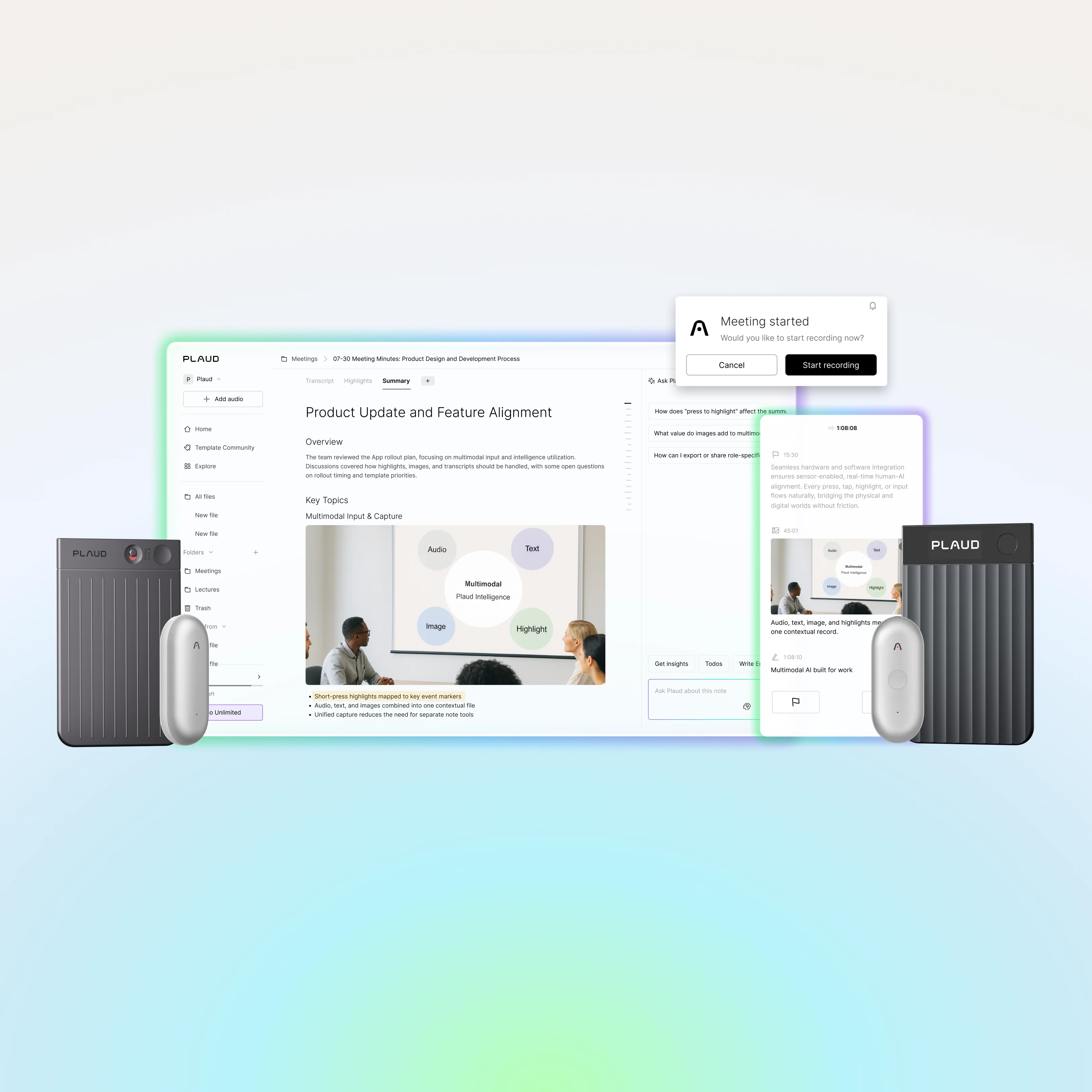
Plaud, an AI notetaker company, disclosed on June 16, 2026 that its software business has reached $100 million in annual recurring revenue. The milestone came after the company shipped more than two million hardware devices — card-sized recorders that capture audio, transcribe it, and summarise meetings or conversations.
The company's business model hinges on a combination: sell a physical device once, then charge for ongoing software subscriptions that handle the AI processing, storage, and output. Reaching $100M ARR means the company succeeded at a problem that trips up most hardware-led startups — converting device buyers into paying software subscribers at a rate high enough to build a lasting revenue stream. The numbers suggest an average software yield somewhere around $50 per device per year across the installed base, though Plaud has not disclosed the actual pricing tiers or customer churn.
That 2 million unit figure is the critical anchor. Consumer and prosumer hardware has a rough track record: devices get purchased, used briefly, then abandoned. If Plaud's ARR is real, the company has sidestepped that trap — or at least sidestepped it enough to hit nine figures in software revenue.
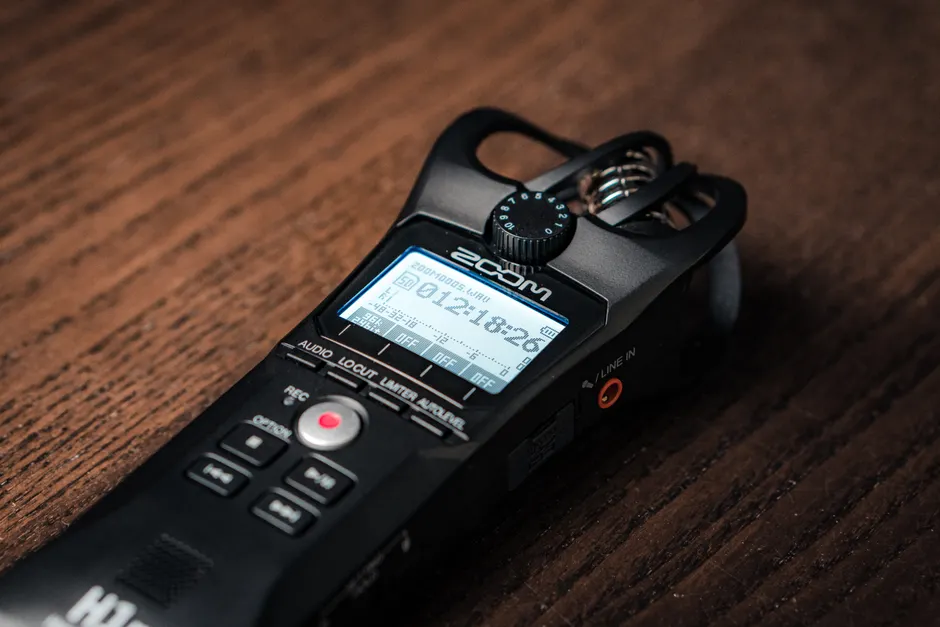
The AI notetaker space has become congested quickly. Competitors like Otter.ai, Fireflies, and Fathom all serve the same meeting-capture workflow, mostly as pure software plays. Plaud's edge has been the physical device: a recorder that works independently of a laptop or phone, capturing audio without needing an app running on a host machine. That offline-first model appeals to regulated industries and users who prefer not to send raw audio through a mobile operating system. Whether that advantage holds as transcription technology built into phones and laptops improves is a fair open question.
The company's ARR claim comes from Plaud itself and has not been verified by an outside auditor. Private company revenue figures often reflect different methods — annualised monthly revenue, contracted value, or other measures — and without published financials, this number is better treated as directional.
The trajectory fits a broader pattern across AI productivity tools since late 2023. Enterprise and professional buyers are now willing to pay for AI-assisted workflows at rates that would have seemed optimistic two years ago. Meeting capture and summarisation was one of the first use cases to deliver genuine, repeatable value: the system is fast, the output can be checked against the recording, and users feel the time savings immediately. That quick feedback and clear return on investment has made it one of the more durable corners of the AI application market.
Plaud's path to $100M ARR through a hardware-plus-software model offers a different data point from pure software competitors. It suggests there is a buyer segment — likely skewing toward executives, frequent travellers, and people with heavy meeting schedules — willing to pay for both the device and the subscription, rather than opting for a free or cheaper software-only option. The real test ahead is whether Plaud can move this approach into larger enterprise sales, where procurement rules, security reviews, and data-location requirements add complexity.
The 2 million units also represent a manufacturing and logistics accomplishment that often gets overlooked in software-focused coverage. Running a hardware supply chain at that scale while building the machine learning systems for transcription, summarisation, and future features demands organisational skills quite different from pure software companies. Few businesses have pulled off both halves successfully. Plaud has earned closer attention.