House Passes Bill to Cut Federal Aid From Universities That Boycott Israel
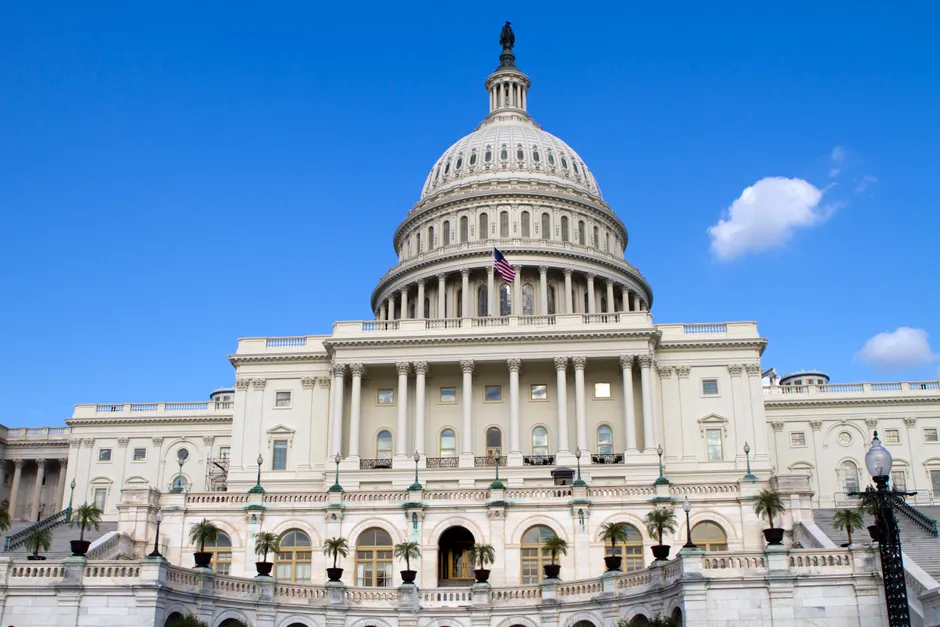
The US House of Representatives passed the Protect Economic and Academic Freedom Act on September 3, 2026, by a 237-169 vote, with 33 Democrats voting in favor and only two Republicans opposing The Guardian. The bill now heads to the Senate.
The legislation, H.R. 4795, would strip schools of access to Title IV of the Higher Education Act if they participate in boycotts of Israel House Education and Workforce Committee. Title IV is the section of federal law that governs student financial aid — grants, loans, and work-study programs. If a university were found in violation, it would lose eligibility for the financial aid infrastructure that most American universities depend on. The bill also requires institutions that receive federal funding for international study and foreign language programs to certify annually that they do not restrict students from participating in programs in Israel, or restrict Israeli students from participating in programs on their campuses The Guardian.
The bill was co-sponsored by New Jersey Democratic Congressman Josh Gottheimer and Republican Virginia Foxx. Tim Walberg, the Republican chair of the House education committee, supported the bill, arguing that federal taxpayer dollars should not support institutions that discriminate against Israel The Guardian. The House Education and the Workforce Committee had previously passed the act as part of a package of 11 bills addressing antisemitism and student issues on June 25, 2026 House Education and Workforce Committee.
Bobby Scott, the top Democrat on the House education committee, criticized the bill as unnecessary and potentially in conflict with First Amendment protections of protest. Scott argued that H.R. 4795 does not respond to any existing higher education policy of boycotting Israel or discriminating against Israeli students and faculty Ranking Member Scott Press Release. House Republican leaders brought the bill to the floor to exploit divisions among Democrats ahead of the 2026 midterm elections The Guardian. The split in the Democratic caucus echoes a July 15, 2026 vote in which the House defeated an amendment that would have blocked $3.3 billion in annual aid to Israel, a result that also divided Democrats Reuters.
The broader context here involves a sustained congressional effort to apply legislative pressure on institutions deemed hostile to Israel. H.R. 4795 operates alongside the IGO Anti-Boycott Act (H.R. 867), which would penalize US persons who participate in certain boycotts imposed by international governmental organizations Congress.gov. The Combatting BDS Act, another related measure, would express federal approval of state laws that restrict boycotts of Israel and its settlements ACLU. Congress has also advanced a bill requiring universities to report more of their foreign funding Times of Israel. These measures collectively target academic institutions through financial disclosure mandates and penalties tied to federal funding eligibility.
The September 3 vote continues a pattern of Israel-related legislative tests in the House that dates back to at least February 7, 2024, when the chamber rejected a Republican-led bill that would have provided $17.6 billion in aid to Israel by a 250-180 vote Reuters. The Senate's reception of the Protect Economic and Academic Freedom Act will determine whether the Title IV penalty mechanism becomes law. The bill's mandatory certification requirement for international study programs introduces a compliance burden that universities would need to operationalize annually — a significant administrative shift for Title VI-funded centers, which are the federal centers for international and foreign language education.


