Russian Warship Fires on British Yacht in English Channel: What's Behind the Escalation

Russian Warship Fires on British Yacht in English Channel: What's Behind the Escalation
A Russian frigate fired warning shots at a British yacht in the English Channel on Tuesday, 10 June 2026, marking the latest and most direct confrontation in a tense week of military activity in one of the world's busiest shipping lanes.
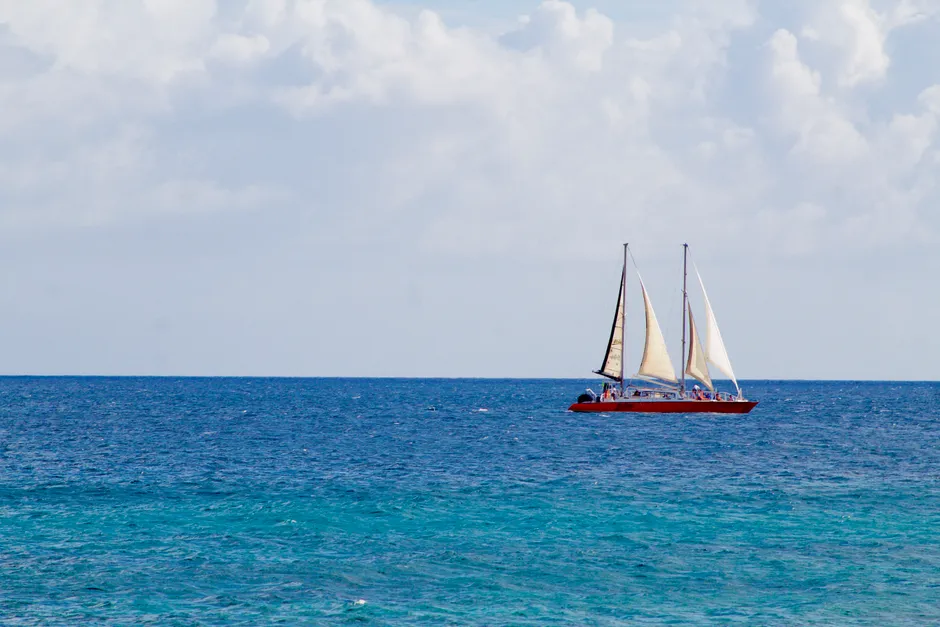
The yacht, Bright Future, was piloted by a retired British couple crossing between the Isle of Wight and Normandy when the Admiral Grigorovich opened fire from roughly 450–500 metres away, according to The Guardian and The Times. The Admiral Grigorovich is a guided-missile frigate belonging to Russia's Black Sea Fleet. Its presence in the English Channel — a NATO-aligned waterway that connects European commerce to the Atlantic — is unusual and sends a military signal.
Warning shots are a deliberate communication, not random fire. Under maritime law and naval practice, they tell another vessel: alter your course or prepare to be stopped. Firing them at a civilian yacht rather than a military target, and at close range in one of the world's most crowded shipping corridors, breaks from how peacetime naval encounters normally work.
A Week of Rising Tensions
This incident did not happen in isolation. Earlier in June, British forces boarded a sanctioned Russian oil tanker in the English Channel — the first time UK forces had physically intercepted a Russian shadow fleet vessel, according to the UK Ministry of Defence. Defence Secretary Dan Jarvis announced the boarding to Parliament on 15 June, describing it as a direct blow to Moscow's ability to finance its military, per his published remarks.
The shadow fleet is a network of aging tankers, often registered under flags of convenience, that Russia uses to move oil around the world while avoiding international price caps. Since 2022, enforcement had relied mainly on listing vessels and companies on sanctions lists. Boarding one in British waters represents a step toward physical enforcement — actually seizing or stopping ships rather than simply naming them as off-limits.
This enforcement push is broad. In 2026 alone, the UK has sanctioned nearly 500 individuals, organizations, and vessels under its Russia sanctions regime, according to the Foreign, Commonwealth and Development Office. That rate — several years' worth of sanctions compressed into months — signals a deliberate acceleration of pressure on the financial systems that support Russian military spending.
The Wider Picture: Training, Arms, and Contested Waters
June 2026 also marks four years since the UK launched Operation Interflex, a multinational program that has trained more than 63,000 Ukrainian soldiers on British soil, per the Ministry of Defence. This context matters: Britain's approach to Russia has shifted progressively from diplomatic complaints and economic sanctions toward direct military involvement — training troops, supplying weapons, and now physically blocking Russian revenue sources.
The firing on the yacht fits this broader pattern, though here the escalation came from Moscow's side. Russia has used naval passages through the English Channel before as a form of messaging — running exercises, taking unusual routes, broadcasting military signals near shipping lanes. Opening fire on a civilian vessel crosses into different territory.
What Russia intended remains unclear. Meduza reported the incident without citing any Russian government explanation, and Moscow had not offered an official account as of 16 June. The silence itself may be calculated. By not explaining, Russia leaves ambiguity — and lets Britain shoulder the burden of deciding whether and how to respond. That ambiguity also gives Russia deniability if talks become necessary later.
The broader question now is whether this week marks a new threshold in how Russia and NATO will treat these disputed waters. Britain will need to decide two things: whether its rules for allowing Russian warships to pass through the Channel need revision, and whether the shadow fleet boarding operation — which likely angered Moscow — has now become more dangerous or more necessary. Both questions hinge on the same larger issue: how contested will the waters off NATO's eastern edge become, and who decides the rules?