How a Russian Frigate's Warning Shots in the English Channel Expose a Widening NATO-Russia Contest
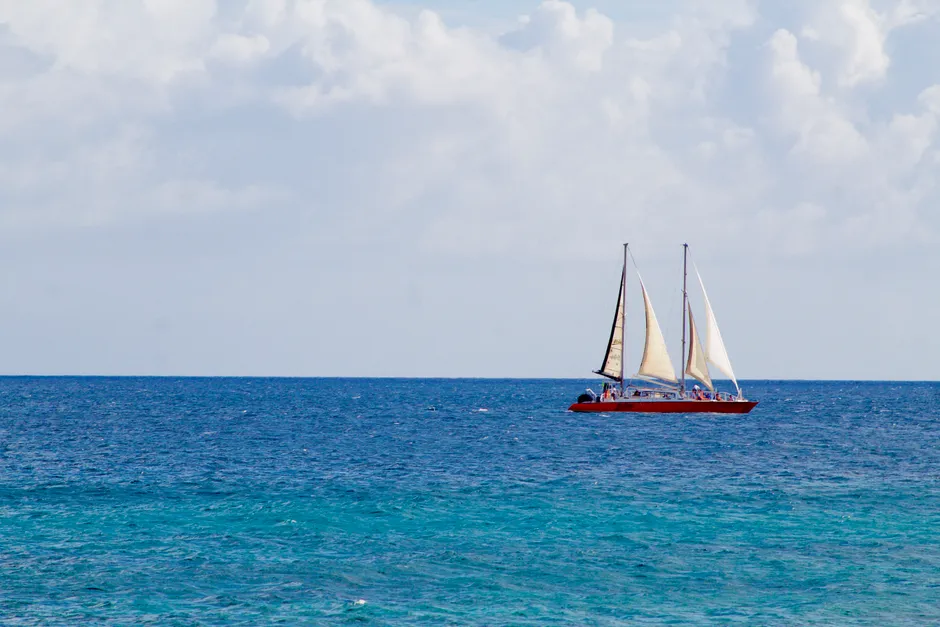
A Russian guided-missile frigate fired warning shots at a British civilian yacht in the English Channel on 16 June 2026, forcing the vessel to change course before UK authorities opened an investigation. Prime Minister Keir Starmer called the firing "reckless," according to Al Jazeera and France 24.
The ship involved, the Admiral Grigorovich, is a Project 11356 frigate from Russia's Black Sea Fleet—a vessel built to hunt both surface ships and submarines. Russia's immediate response shifted blame: Moscow claimed the yacht had made a "dangerous approach" to the warship before the shots were fired, Euronews reported. This framing—portraying a civilian vessel as the aggressor—mirrors Russia's standard account in maritime disputes. The core legal issue, however, remains unresolved: the English Channel is an international strait where UNCLOS (the UN Convention on the Law of the Sea) guarantees innocent passage rights, meaning no warship has unilateral authority to fire on civilian traffic using it lawfully.
The frigate's presence in the Channel may not have been coincidental. Just one day before, on 15 June, the Royal Navy conducted a boarding operation on a sanctioned shadow fleet tanker in the same waters, with Royal Marines Commandos seizing a vessel used to evade Western sanctions on Russian oil. Whether the Admiral Grigorovich's transit was a direct response or independently planned remains unclear from available reporting, yet NATO capitals will scrutinize the timing carefully.
A Channel Under Strain
Russian naval activity in British waters has intensified over recent months, stretching the Royal Navy's response capacity. In April 2026, Royal Navy ships shadowed two sanctioned Russian cargo vessels and their escort warships; HMS Hurworth and HMS Ledbury separately tracked Russian warships transiting the Channel with air support from 814 Naval Air Squadron. The Navy also detected and tracked a surfaced Russian submarine in the same area on a NATO-coordinated mission.
Ship-to-ship tracking is a familiar Cold War tactic—it signals awareness without crossing into outright confrontation. Firing small arms at a civilian yacht is an entirely different act. Depending on crew nationality, the vessel's position relative to UK territorial waters, and the legal status of the yacht's location, such fire could breach international maritime law. Whitehall's decision to investigate rather than issue an immediate formal protest suggests the government is still gathering evidence before determining its legal and diplomatic response.
What This Moment Signals
The incident arrives as NATO members reassess their tolerance for Russian "grey-zone" activities—provocative actions that fall short of outright war—in European waters. The 15 June Royal Marines boarding represents a notable escalation in how the UK enforces sanctions against Russia's shadow fleet, the network of oil tankers and cargo ships that help Moscow circumvent international restrictions. Deploying uniformed special forces to intercept a sanctioned vessel sets a new operational standard.
The Admiral Grigorovich firing a weapon at a civilian ship in an international strait creates a dilemma that Starmer's "reckless" label only partly addresses. Calling something reckless is a political judgment; determining whether it violated maritime law is a legal question. The UK investigation must establish whether the frigate remained in its designated transit corridor, how close the yacht actually came to the warship, what the yacht's heading was, and whether British or NATO observers directly witnessed the engagement. These facts will determine whether the episode becomes a formal diplomatic protest, a case referred to the International Maritime Organization for review, or justification for tighter restrictions on Russian naval transits.
The English Channel—one of the world's busiest shipping routes and a body of water the UK views as partly within its sphere of responsibility, even though international law treats its centerline as open water—has become a flashpoint in the larger struggle between Western enforcement of sanctions and Russian efforts to counteract them. The warning shots targeted a single yacht, but the message had a much wider audience.


