The Dollar Weakens But Nothing Has Broken—Yet

The WSJ Dollar Index dropped 0.08% to 96.15 on June 16, 2026, marking its second straight decline and its biggest two-day loss since June 12, according to The Wall Street Journal. The index, which tracks the dollar's strength against a basket of 16 major currencies, has now slipped to its lowest closing price since June 4.
This two-day slide sounds small—and in absolute terms, it is. The dollar index sits roughly nine points below its all-time high of 105.14 from September 2022, when the Federal Reserve was tightening interest rates aggressively and emerging markets were under stress. The index still lives well above the lows we saw after the pandemic. What matters is the direction: after weeks of strength, the dollar is giving ground.
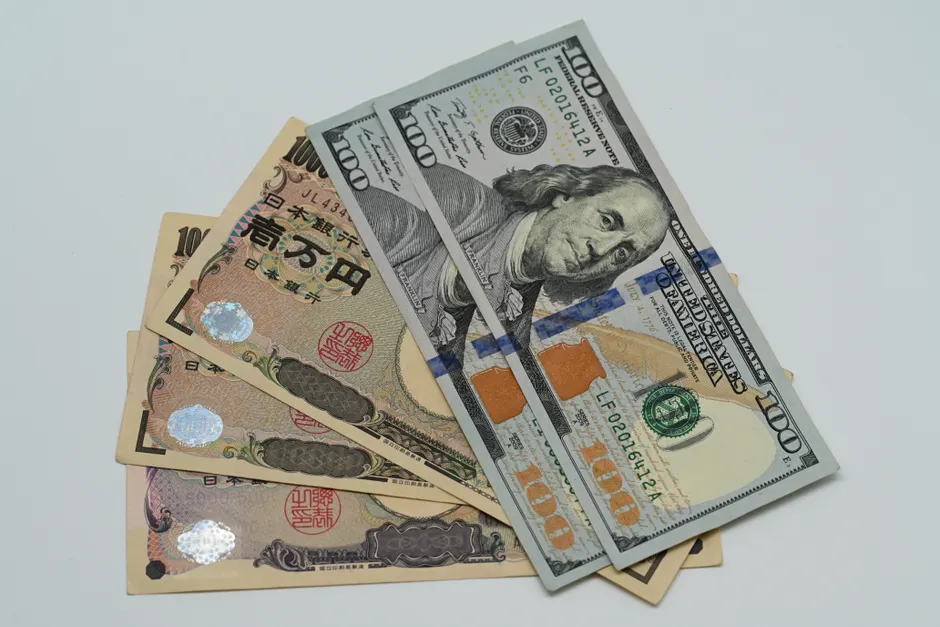
Against the Japanese yen, the dollar actually ticked 0.2% higher to 159.21—an oddity that reveals something important about currency markets. The yen has been volatile all year, swinging sharply in response to comments from the Bank of Japan (the central bank that sets policy for Japan). Earlier in 2026, a shift in BoJ tone caused the dollar to drop 1.66% against the yen in a single trading session. Right now, at 159.21, the yen remains historically weak compared to the dollar, but it has clawed back some ground from late 2024.
The bigger picture through mid-June has been a gradual surrender of dollar strength. The decline through June 16 extended a softening trend that had been building the week before. This kind of gradual erosion—not a sharp one-day plunge—usually signals traders taking profits or adjusting their bets rather than a fundamental shift in what the dollar is actually worth.
Earlier in 2026 offers useful context. In April, Reuters reported the dollar index had declined eight days in a row as traders bet on a possible Iran peace deal and recalculated expectations for U.S. interest rates. The current two-day dip is much shallower, but it lands in a market that is still absorbing the aftershocks of that April move and the recovery that followed.
The yen-dollar rate deserves attention for anyone managing foreign currency exposure. A dollar at 159 yen remains attractive to investors betting on this pair—the interest-rate gap between the U.S. and Japan still favors the dollar. But the BoJ's mixed messaging has shown it can tighten that advantage far faster than models suggest. The 155–159 range that has framed much of 2025 and 2026 is not a place the yen naturally sits; it is held there by the gap between U.S. and Japanese interest rates. That gap could shift if either central bank changes course.
For the dollar index itself, 96.15 is not alarming from a technical trading perspective. There is ample room between here and the 2022 record before anyone should invoke doomsday scenarios about the dollar losing its grip. What the two-day sequence does accomplish is to trim the index's cushion above June 4—a level traders had been using as a floor. With currency markets in Asia still jittery and no major Fed or BoJ announcements scheduled for June 17, the index is likely to trade sideways unless something unexpected happens on the news wires.