Dollar's Quiet Weekly Decline Masks a Volatile Fortnight

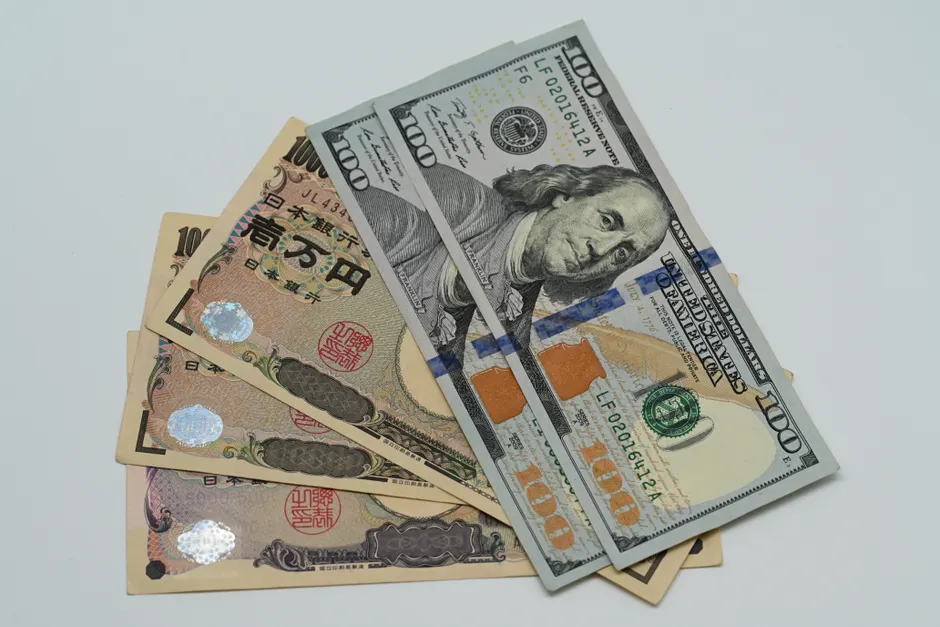
The WSJ Dollar Index fell 0.11% for the week ending July 17, 2026, closing at 97.09. That small weekly decline papers over a turbulent two weeks in which the dollar was pulled in opposite directions by escalating Middle East conflict and cooling US inflation. The index had sat at 97.28 on July 2 after a 0.13% drop that ended a three-session winning streak, then slid further to 96.86 on July 15 (WSJ).
Two forces drove the swings, and they point in opposite directions. On July 13, renewed US-Iran tensions pushed the dollar higher as investors sought safety: the euro fell 0.26% to $1.1383 and sterling dropped 0.40% the same session (Reuters). Reuters headlined the day "Dollar edges higher on escalating US-Iran tension, yen slides on pension doubts." Two days later, the macro leg took over: softer US inflation data reinforced expectations that the Federal Reserve could ease policy, and the dollar gave ground against major currencies including the yen (Reuters).
The Middle East conflict sits behind all of this as a structural backdrop. The IMF, in an assessment published July 8, forecast global growth dropping to 3% in 2026 from 3.5% in 2025 before rebounding to 3.4% in 2027, attributing the contraction to the war (Reuters). WSJ reporting noted that the Iranian government showed little appetite for compromising with the US, a stance that has kept a geopolitical risk premium — the extra caution priced into markets because of political uncertainty — embedded in currency markets (WSJ).
Asian currencies have been consolidating through this period, caught between dollar strength from safe-haven flows and the pull of easing US inflation. The WSJ's July 2 article, headlined "Asian Currencies Consolidate; May Be Weighed by Mideast Tensions," captured the positioning stalemate. Earlier reporting from May identified India, Indonesia, and the Philippines as particularly exposed, given their status as oil importers already contending with capital outflows (Reuters).
The broader context here is a market pricing two competing narratives simultaneously. The geopolitical channel works through oil prices and risk sentiment: when conflict escalates, investors flock to the dollar, and that hits Asian oil-importing economies hardest. The monetary policy channel works through cooling US inflation: when inflation softens, it narrows the rate differential — the gap between US interest rates and those of other countries — which makes the dollar less attractive to hold. Which force dominates in any given week depends on the news cycle. The IMF's growth forecast compression to 3% for 2026 provides the macro frame: the conflict is dragging on global activity, but the IMF still sees a recovery to 3.4% by 2027, suggesting the hit is viewed as transitory rather than permanent.
In my view, the operative question for anyone watching currency markets is straightforward: does US inflation keep softening at a pace that overwhelms the geopolitical bid for dollars, or does further escalation in the Middle East tighten the risk premium enough to dominate? For Asian FX in particular, the oil-importer vulnerability flagged in May remains live. India, Indonesia, and the Philippines face a pincer: energy import costs rise with Mideast tensions while portfolio flows tend to exit emerging markets during risk-off episodes. The consolidation phase in Asian currencies suggests neither force has decisively won, but the IMF growth downgrade and the lack of Iranian appetite for de-escalation lean toward the risk-off scenario persisting.
The yen's July 13 slide, attributed to "pension doubts" per Reuters' headline, adds a Japan-specific risk layer distinct from the broader dollar complex. This is separate from the Iran-driven risk-off move and points to domestic institutional concerns feeding into an already pressured currency.
The dollar's 0.11% weekly decline to 97.09 is a small number disguising a volatile two weeks. The index traded in a range from roughly 96.47 (per the undated WSJ reading) to 97.28, with intraday moves driven by headline risk rather than any clear trend. The July 13 session alone saw the dollar index swing higher on Iran headlines, only for those gains to be partially unwound by July 15's inflation-driven move.