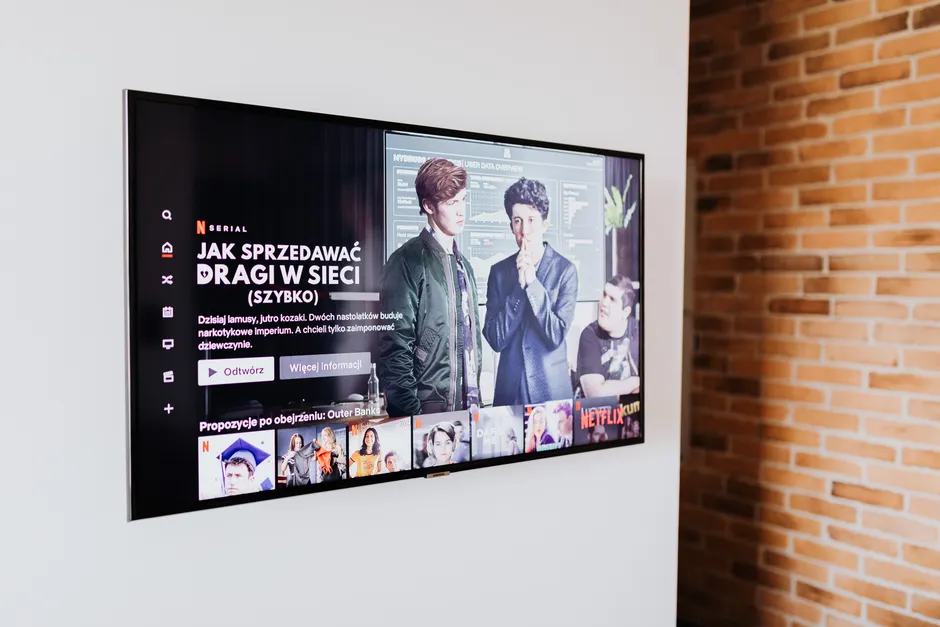
LG Denies TV Spying Claims: Wake Words, Fingerprints and Defaults Explained

LG says its smart TVs do not continuously record or transmit users' conversations. The company was responding to findings publicized by Gamers Nexus, Level1Techs and independent security researchers about logging and uploading of user data. The Verge The response, reported on September 12, 2026, centers on voice handling and content identification. The defaults are the core of the dispute.
According to that September 12 account, wake-word detection is processed locally on the TV. The set listens for its trigger phrase without sending audio out. LG said its sets do not continuously record or transmit conversations. Voice input leaves the device only after that local trigger engages, in the company's description.
LG also said Automatic Content Recognition, voice recognition and interest-based advertising are optional and not enabled by default. Automatic Content Recognition, or ACR, is the system that identifies what is playing on screen. The company described recent media coverage as having contributed to misconceptions about how its smart TVs work.
On ACR specifically, LG said the system uses audio fingerprinting through the TV's internal audio processor to identify content. A fingerprint here is a compact digital summary used for matching, like a hash, not a sound clip. In the same description, it said ACR does not collect screenshots, screen recordings, video recordings, voice recordings or other audio recordings from the TV. The Verge
The allegations that prompted the denial were broader. A hardware review report alleged that LG smart TVs gather more data than competitor TVs. WCNC Investigators separately alleged that LG sets scan local area networks and can record audio while in standby mode. Tom's Hardware Those two claims, network behavior and standby microphone behavior, drove much of the subsequent attention.
On September 10, 2026, Al Jazeera published a report titled 'LG defends smart-TV features amid audio surveillance allegations'. Al Jazeera That report sits between the initial hardware investigations and LG's fuller September 12 rebuttal, which is the authoritative statement of the company's position.
The broader context here is that smart TV privacy disputes usually turn on three separate mechanisms, and conflating them creates confusion. The first is local trigger versus cloud transcription, where audio is sent out to be turned into text. The second is content fingerprint versus media capture. The third is routine local network discovery for casting and control versus systematic scanning and exfiltration. LG's current position is firmly on the benign side of all three lines.
In my view, technical users should read this as a scoping problem rather than a single yes or no about spying. Opt-in status can be checked in setup flows and policy screens, but only if testers document firmware revision, region and exact consent toggles. Network claims need controlled packet capture and DNS logging, separated into first-party traffic, third-party advertising, and support services such as time, update and voice endpoints. Standby claims require power-state testing, because a modern set has multiple low-power states and a microphone path may stay powered for wake-word while application processors sleep.
Looking at what this means for deployment, the practical work has not changed. Segment IoT devices where possible. Filter and log at the resolver. Review ACR, voice and personalization toggles after every major update, since consent screens can reset. For researchers, publish methodology alongside conclusions, including what was enabled, what traffic was observed, and what was inferred. That discipline protects both users and vendors, and it leaves room for correction when packet traces alone cannot supply implementation detail.