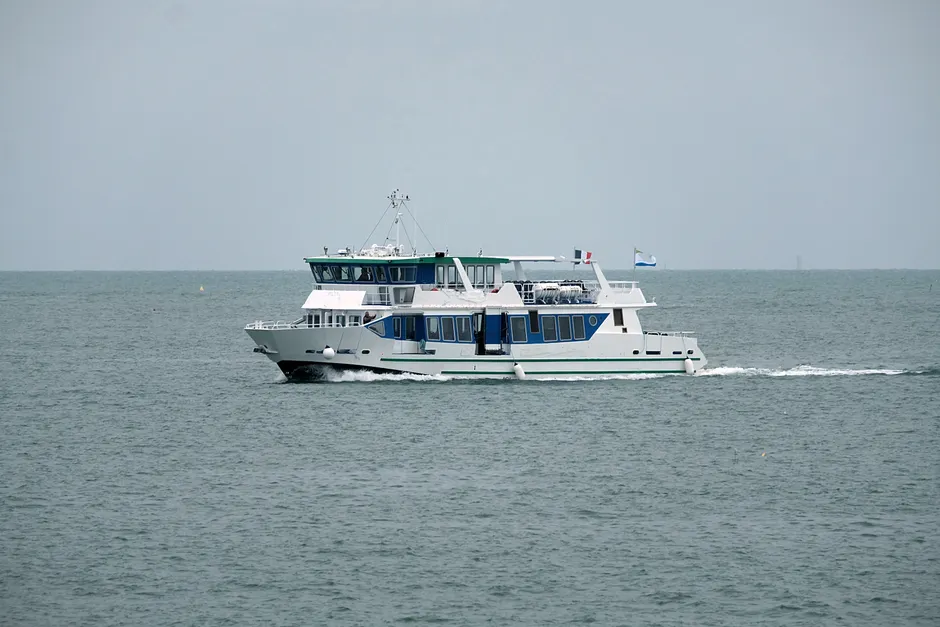
Vanuatu Ferry Sinking Leaves One Dead, More Than 30 Missing

At least one person has died and more than 30 remain missing after the inter-island ferry MV Matui sank off northern Vanuatu, according to an update from Prime Minister Jotham Napat's office reported on Sunday, September 13, 2026. Reuters
The vessel went down in bad weather on Friday while sailing between the islands of Ambae and Santo. The route is part of Vanuatu's northern ferry network, where boats carry passengers and cargo between communities with few other transport options. Think of it like a bus system spread across water. Al Jazeera
Fifteen crew members and passengers have been accounted for alive, the Prime Minister's office said. Search and rescue efforts were still continuing as of September 13. The Guardian
The government said it is scaling back search efforts in open waters and focusing on the south-east coast, where currents may have carried survivors. Boats and a flying doctor plane were involved in the search after the sinking. The shift reflects assessments of drift and sea conditions two days after the vessel was lost.
In a preliminary assessment, the government said the sinking appears linked to strong winds and marine warnings that were not heeded, and possibly negligence including overloading. Overloading means carrying more people or cargo than a vessel is rated to hold safely. A full investigation would follow, officials said. The Prime Minister's office told families of the missing that "the nation stands with you."
The broader context here is the exposure of island transport systems that depend on ferries. When a routine crossing ends in loss, questions about weather routing, loading discipline and compliance with marine advisories become questions about regulation and enforcement capacity.
Looking at what this means for the response, the next phase will test two separate tasks. The first is search coordination across open water and coastline with limited assets and difficult currents. The second is investigative credibility. An early attribution to ignored warnings and possible overloading puts pressure on authorities to show how warnings were issued, who received them, and what enforcement applied before departure.
In my view, the details to watch are survivor accounts, manifest reconciliation, and the scope of the promised investigation. Survivor testimony should clarify conditions on board and the sequence of the sinking. The manifest, the official list of who was aboard, will determine whether the missing figure holds steady or changes. The terms, timeline and independence of the inquiry will determine whether the early finding of negligence leads to accountability or stays a preliminary assessment under pressure.