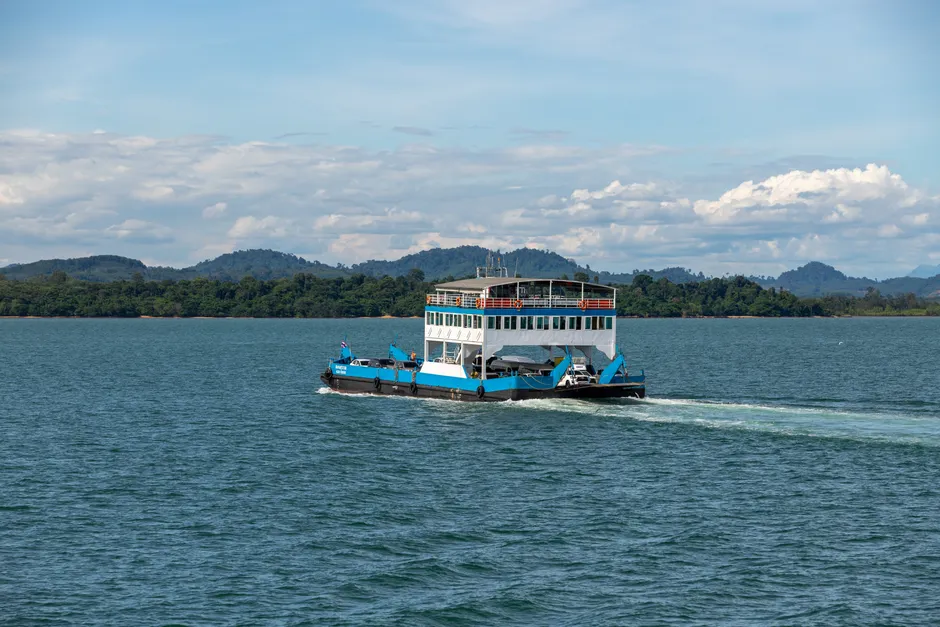
Indonesian Ferry Fire Leaves 5 Dead, 41 Missing: What We Know
Five people are confirmed dead and 41 remain missing after the Indonesian ferry KM Mutiara Sentosa 2 caught fire at sea on Sunday, 2 August 2026, in waters north of Sumenep, off Madura island. The vessel was carrying 271 people at the time, according to BBC News.
The ferry was on its scheduled route from Surabaya, East Java, to Makassar, South Sulawesi, when the blaze broke out. The captain alerted authorities, setting off a response from Basarnas — Indonesia's National Search and Rescue Agency, which coordinates maritime rescue operations across the country's vast archipelago. Footage from Indonesian news outlet iNews showed passengers in life jackets aboard a lifeboat after evacuating the burning vessel.
Local outlet Memorandum, publishing the same day, identified the vessel as KMP Mutiara Santosa 2 and reported roughly 250 people aboard, with hundreds evacuated. The gap between the two figures — 271 versus about 250 — is typical of early reporting in mass-casualty maritime incidents, where the official passenger manifest and headcounts at rescue staging areas often disagree until search teams complete their accounting.
The Surabaya-to-Makassar route is a major inter-island corridor that crosses the Java Sea and runs into the Makassar Strait. Ferries on this route usually travel overnight and carry a mix of passengers and vehicles. The fire broke out off Madura's northern coast, meaning it occurred relatively early in the eastward journey from Surabaya.
Basarnas's involvement signals a coordinated, multi-agency search and rescue operation. In Indonesian maritime emergencies, Basarnas typically dispatches rescue vessels and works alongside local port authorities and the Indonesian Navy. Finding the 41 missing passengers will depend on sea conditions, drift modeling — the use of currents and wind data to predict where people or debris may have floated — and how much time passed between the fire's start and the arrival of rescue craft.
The iNews footage of passengers in life jackets on a lifeboat suggests that at least some evacuation procedures were carried out. What remains unclear from the available reporting is how the fire spread, whether it started in a cargo hold or a passenger area, and how much time passed between detection and the order to abandon ship.
The ferry's owner and operator have not been identified in the available reporting, nor has the cause of the fire been determined.
The broader context here is that Indonesia's ferry network is one of the largest in the world, threading together more than 17,000 islands across thousands of routes. It is economically essential to inter-island travel and trade. But passenger ferries in Southeast Asia frequently operate near or beyond their rated capacity, and safety enforcement across this enormous network has long drawn scrutiny from both Indonesian regulators and international maritime bodies. A vessel with 271 people aboard, five dead, and 41 unaccounted for places this among the more serious Indonesian maritime emergencies in recent years. The disagreement between reported passenger counts itself points to a manifest-management problem that investigators will need to address.
The operational variables to watch in the coming days are straightforward: the final casualty count once Basarnas completes its search, the vessel's compliance with safety inspection and manifest protocols, and any regulatory response from Indonesia's Directorate General of Sea Transportation. For now, the confirmed facts are grim and the search remains active.