Iran, Iraq and Gulf States to Meet in Oman on Temporary Hormuz Shipping Rules

Senior officials from Iran, Iraq and the Gulf Arab states will meet in Salalah, Oman, on Sept. 14, 2026 to discuss temporary rules for commercial ships passing through the Strait of Hormuz.
Iran's Foreign Ministry announced on Sept. 12 that planning was underway for a regional meeting of Persian Gulf littoral states, or countries that border the Gulf. Ministry spokesperson Baghaei said Iran, Iraq and other littoral states would take part in Oman, according to the ministry statement Iranian Foreign Ministry. Reporting by Amwaj Media indicates senior officials from GCC states, Iran and Iraq are set to gather on Sept. 14.
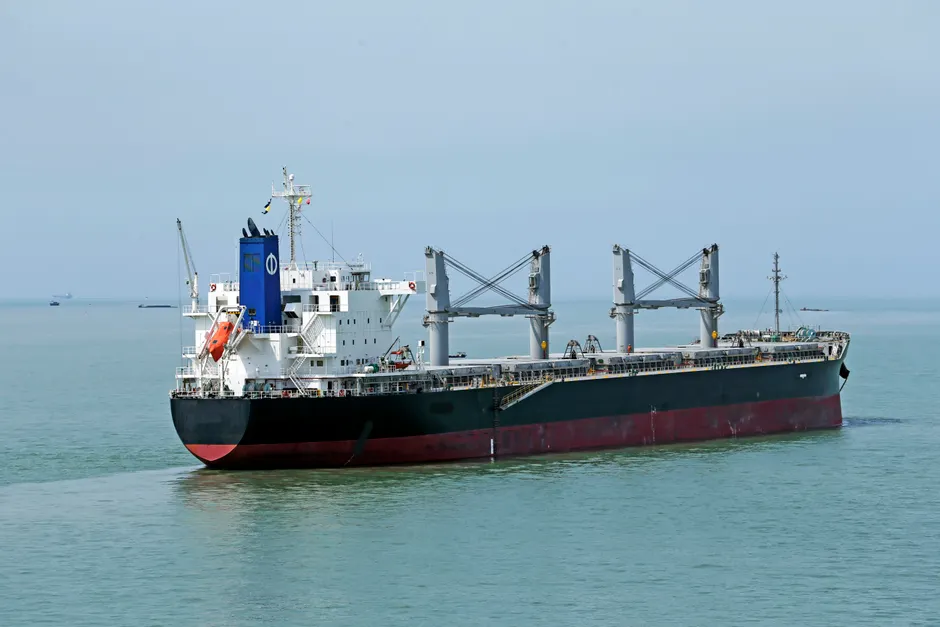
The talks in Salalah are intended to negotiate a temporary agreement on commercial shipping routes in the strait, a narrow channel linking the Gulf to the open ocean, to ease hostilities and reopen the strait Anews. The meeting is set for Monday. No final settlement is on the agenda in the material released so far.
The announcement followed threats from Tehran the previous week. On Sept. 7, Iran said it would retaliate against any new U.S. attacks on its assets and would announce a new restricted zone in the Gulf in the coming days Reuters. The next day, Iran said it plans a new Gulf exclusion zone, an area where it would limit movement, and threatened the United States with new missiles Reuters.
That warning came after fighting that included other countries. The 2026 Iran war was initiated by the United States and Israel on Feb. 28, 2026 Britannica. Iran targeted Jordan multiple times during the war. Two U.S. military personnel were killed during one Iranian attack involving Jordan.
The Salalah meeting also follows months of Gulf diplomacy around a preliminary U.S.-Iran deal. Secretary of State Marco Rubio met with Gulf Arab leaders to reassure them about that preliminary deal The New York Times. Analysts said Gulf states were frustrated that the deal did not address Iran's missiles The New York Times.
Oman has been involved in that channel. Oman engaged in talks with Iran over potentially imposing service fees, or charges for passage, in the Strait of Hormuz The New York Times. The U.S. and Iran were to meet with mediators in Qatar, with no direct talks or high-level meetings expected between U.S. and Iranian officials during a visit by two of President Trump's top officials The New York Times. Earlier, foreign ministers of Arab states on the Persian Gulf met to condemn a new round of Iranian attacks targeting Bahrain The New York Times.
The broader context here is negotiation under parallel pressure. Tehran is pairing an offer to discuss shipping procedures, like traffic lanes for tankers, with a stated ability to restrict them, while Gulf capitals want to lower tensions without giving up control over a waterway central to their oil exports.
Looking at what this means for the next phase, the limited mandate matters. A temporary agreement on commercial routes could lower the immediate risk of miscalculation at sea and allow traffic to resume, without resolving the missile dispute that concerned Gulf governments in June or the question of U.S. force posture. Whether Salalah produces operating procedures that hold will depend on verification at sea and on whether Washington and Tehran treat a Gulf-brokered arrangement as binding on their own operations. Failure would leave the littoral states exposed. Success would still leave the core military issues untouched.