Asian Currencies Hold Steady as Fed Hike Bets Build

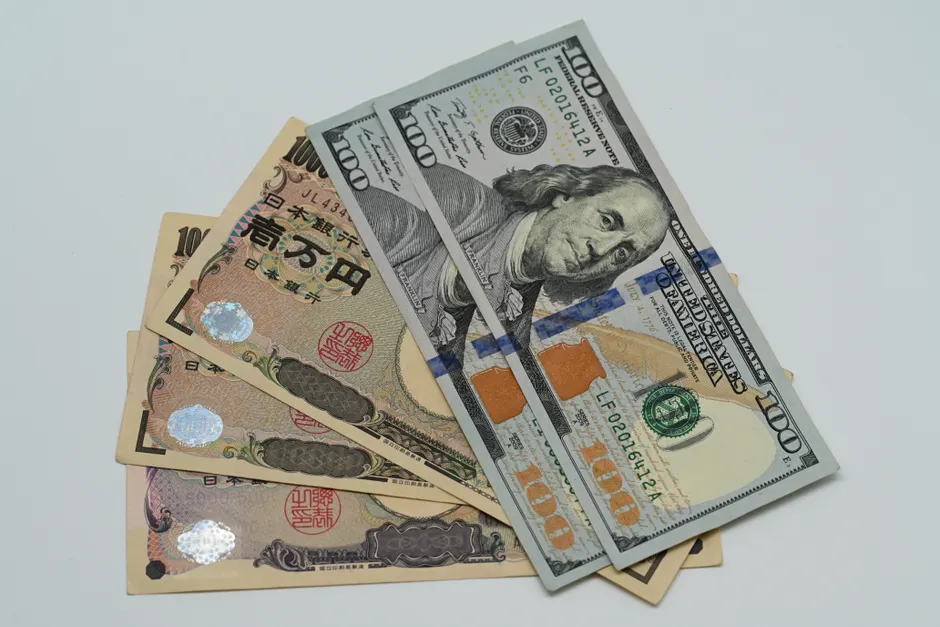
Asian currencies held in tight ranges against the U.S. dollar in early trade, with risk tilted toward fresh weakness if markets keep pricing more Federal Reserve rate hikes, according to the Wall Street Journal.
The report described the session as range-bound rather than directional. Ranges were narrow and momentum was limited, with repricing of U.S. policy flagged as the driver to watch.
The broader context here is the usual link from rates to currencies, and it matters for savers and borrowers because a stronger dollar can raise import prices and debt costs. When hike odds rise, short-term U.S. yields — the return on short-term government debt — move up and the gap favors the dollar. That shifts carry and funding math against regional currencies. Spot rates can sit still for a time while forwards, cross-currency basis and short-term volatility start to reflect the new pricing.
In my view, that sequence changes how to read the calm. A quiet spot market does not confirm stability. It often means offsetting flows, position squaring and hedging are holding moves in check before a catalyst. If the rates push lasts, that containment breaks. If it fades, ranges hold. Desks treat this kind of pause as a read on conviction, not direction, until confirmation arrives.
Looking at what this means for positioning, the question is how long hike pricing lasts across the curve and how it passes into hedging costs. Forward points, contract length and hedge ratios adjust even when spot looks calm. Managers with dollar debts or unhedged U.S. exposure feel it in higher roll costs and a wider spread of expected returns. Short-term positions tend to get lighter in such tape until liquidity improves.
The nuance here is one common push with uneven effects. A rates-led stronger dollar tightens regional conditions through import costs, debt servicing and investment flows, but sensitivity varies with trade balances, inflation and policy room. That explains why broad steadiness can sit alongside weakness in one or two Asian currencies, even when the group faces the same hawkish U.S. repricing.
In my assessment, skepticism on timing is still right. Markets often price rate paths that arrive late or in smaller form. The pause could resolve into depreciation, longer range trading or a reversal, depending on U.S. data, Fed communication and term premia, the extra return investors want for holding longer debt. For now the picture is narrow. Spot is steady. Risk leans toward dollar strength if hike bets build. Waiting for funding and volatility prices to confirm tends to cost less than chasing a break from a quiet open.