The Big Brue Experiment: Can a Festival Measure Open-Mindedness?

The Big Brue, a festival of ideas in Bruton, Somerset, will ask its audience and speakers to complete tests before and after the event to see if their beliefs shift, The Guardian reported.
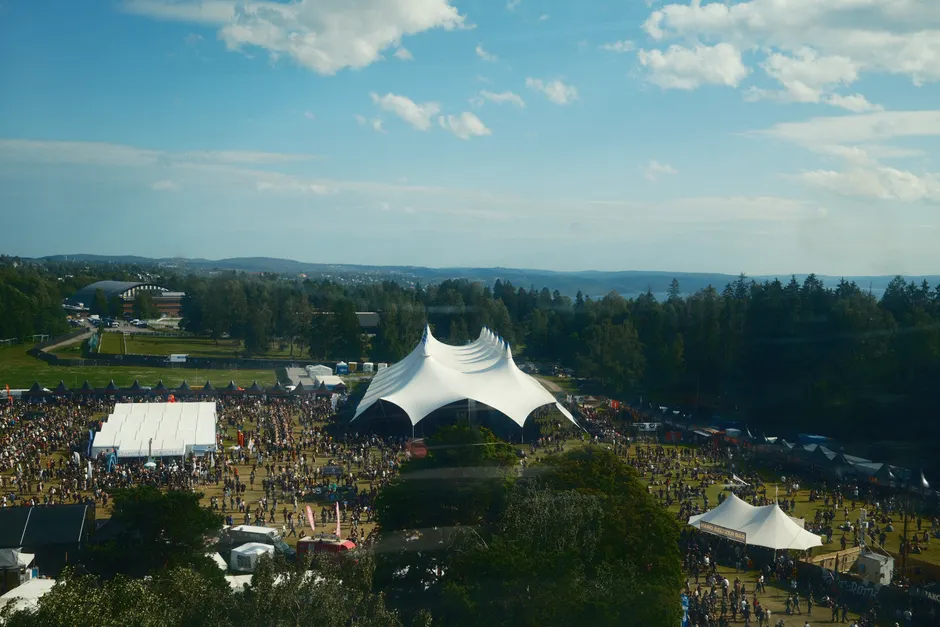
The festival takes place in the grounds of the Hauser & Wirth Somerset gallery. Those attending will be asked if what they heard made them more open, optimistic, empathetic and tolerant of people with views they disagree with. The design is simple.
Neuroscientist and educator Beau Lotto is leading the effort to turn the festival into an experiment. Festivalgoers will fill in questionnaires and complete short tasks, such as finding the midpoint of a line. Panellists will be invited to take the same before-and-after tests.
The programming is built around disagreement. Organisers deliberately paired people with contrasting opinions rather than similar views, and set up panels with strongly opposing views to examine if the festival can change how conflict is perceived. The stated ethos is that conflicting views can be a good thing if aired with curiosity, compassion, creativity and learning.
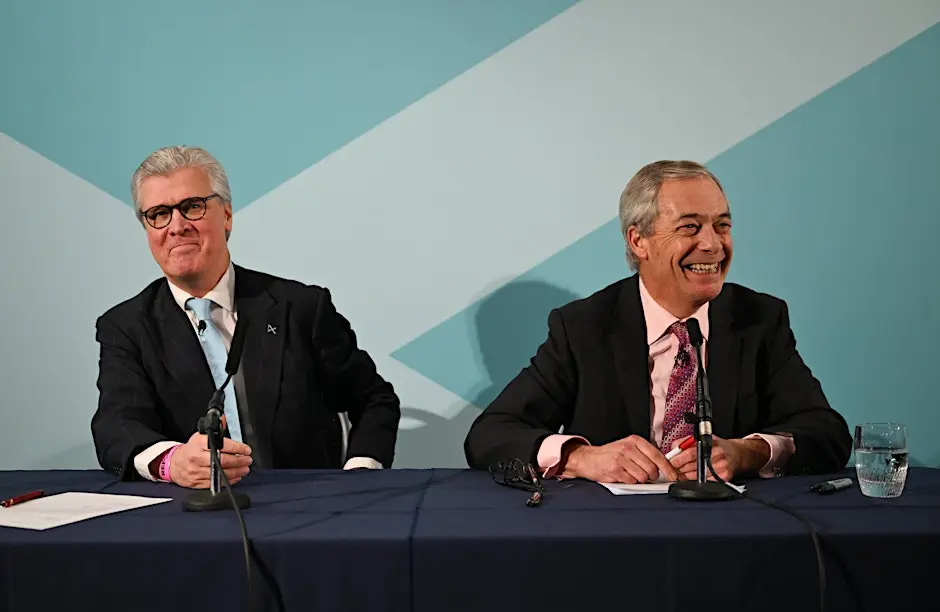
Two sessions show that approach. A session on artificial intelligence involves former UK chancellor George Osborne and Misha Glenny. Reform UK MP Danny Kruger will appear in two sessions, including Family Matters, in conversation with his mother, cookery writer and broadcaster Prue Leith.
The broader context here is how little we usually know about what public discussion achieves. Festivals routinely claim to broaden horizons and bridge divides. Few measure the audience in the room before and after, let alone the speakers. The Big Brue model treats tolerance and openness as responses to observe rather than outcomes to assume.
In practical terms, the methods will matter as much as the results. Questionnaires can record stated attitudes toward disagreement. Tasks like line-marking can pick up shifts in attention or bias that people may not report. Using both together may give a fuller picture than either alone.
There is also the question of who chooses to come. People drawn to a festival framed around curiosity may already score higher on openness. Speakers used to public argument may respond differently from first-time attenders. Any change found across a single day will need careful handling, separating a short-term effect of sociable, well-moderated discussion from a lasting change in belief or conduct toward opponents.
In my view, the value lies less in a verdict on changed minds than in the conditions tested. If contrasting panels under clear norms of curiosity and compassion produce even modest movement in empathy or tolerance, that informs curation well beyond Bruton. If they do not, that also informs the field. Inviting panellists into the same experiment as the audience avoids a one-way model in which speakers transmit and listeners receive.