Six Dead, 129 Missing in Java Sea Ferry Capsizing: What We Know So Far
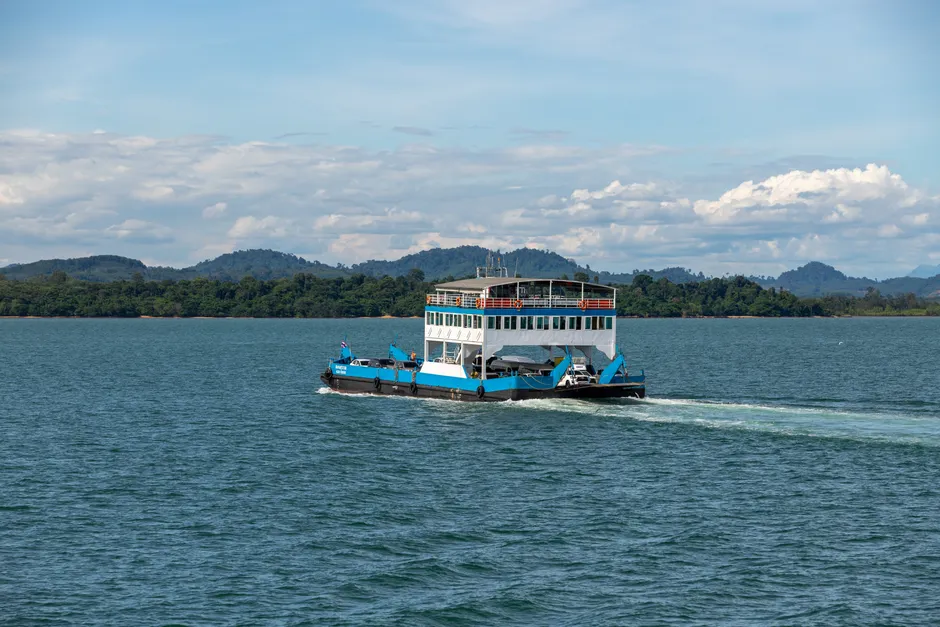
At least six people died and 129 are still missing after a passenger ship carrying 243 people capsized in the Java Sea in bad weather, Indonesia's sea agency reported on Sept. 13. Reuters
The vessel lost contact after departing East Java. Agency officials put the total on board at 243 and tied the capsizing to rough seas. Six deaths are confirmed. The missing figure sets the size of the unresolved search.
Those four facts — total on board, dead, missing, and weather at the time — form the current baseline. They do not show the sequence on board, the state of communications in the hours before contact was lost, or whether the passenger and crew manifest has been fully reconciled. Early totals often shift as manifests are checked against ticketing records, crew lists, and shore-side confirmation of who boarded. Nikkei Asia
The broader context here is structural, not incidental. Indonesia relies on scheduled and chartered passenger vessels to connect its islands for people and goods, much like a road network on water. That dependence makes voyage planning, go or no-go weather calls, stability management — keeping the ship balanced under load — and emergency communications core safety tasks. Bad weather alone does not explain a capsizing. It sets the conditions in which loading discipline, route choice, and command decisions are tested.
Looking at what this means for response and accountability, three lines of inquiry will matter most to specialists. The first is manifest integrity. A firm 243-person baseline helps search planners narrow the search area and helps investigators separate confirmed survivors from the missing. Any gap between ticketed, boarded, and manifested persons complicates both tasks. The second is weather and operational decisions. Investigators will need the forecasts available to the master, the actual sea state met, the timing of departure from East Java, and any distress or position reports before contact was lost. The third is oversight of vessel condition and operating limits, including certification, loading, and whether weather restrictions applied to the intended route.
In my view, the institutional dimension deserves attention alongside the operational one. Major ferry casualties in archipelagic states test coordination between sea agencies, port authorities, local government, and search-and-rescue command, and test public communication under uncertainty. Families need named, verified lists. News cycles reward fast numbers. Those pressures pull in opposite directions. Disciplined, timestamped updates that keep confirmed dead, confirmed survivors, and persons still unaccounted for in separate categories reduce rumor risk and preserve credibility for later findings.
What comes next will likely unfold in phases. Confirmation of identities and notification of families will come before any formal account of the loss. Technical examination will require voyage records, inspection of the vessel if salvage is feasible, and interviews with survivors and shore personnel. Regulatory follow-up tends to focus on enforcement of existing sailing clearances and weather-related sailing bans rather than quick creation of new rules. For operators across the Java Sea, the near-term lesson is procedural: conservative weather routing, strict respect for load and stability limits, and backup communications carry extra weight on short inter-island passages where conditions can worsen fast.