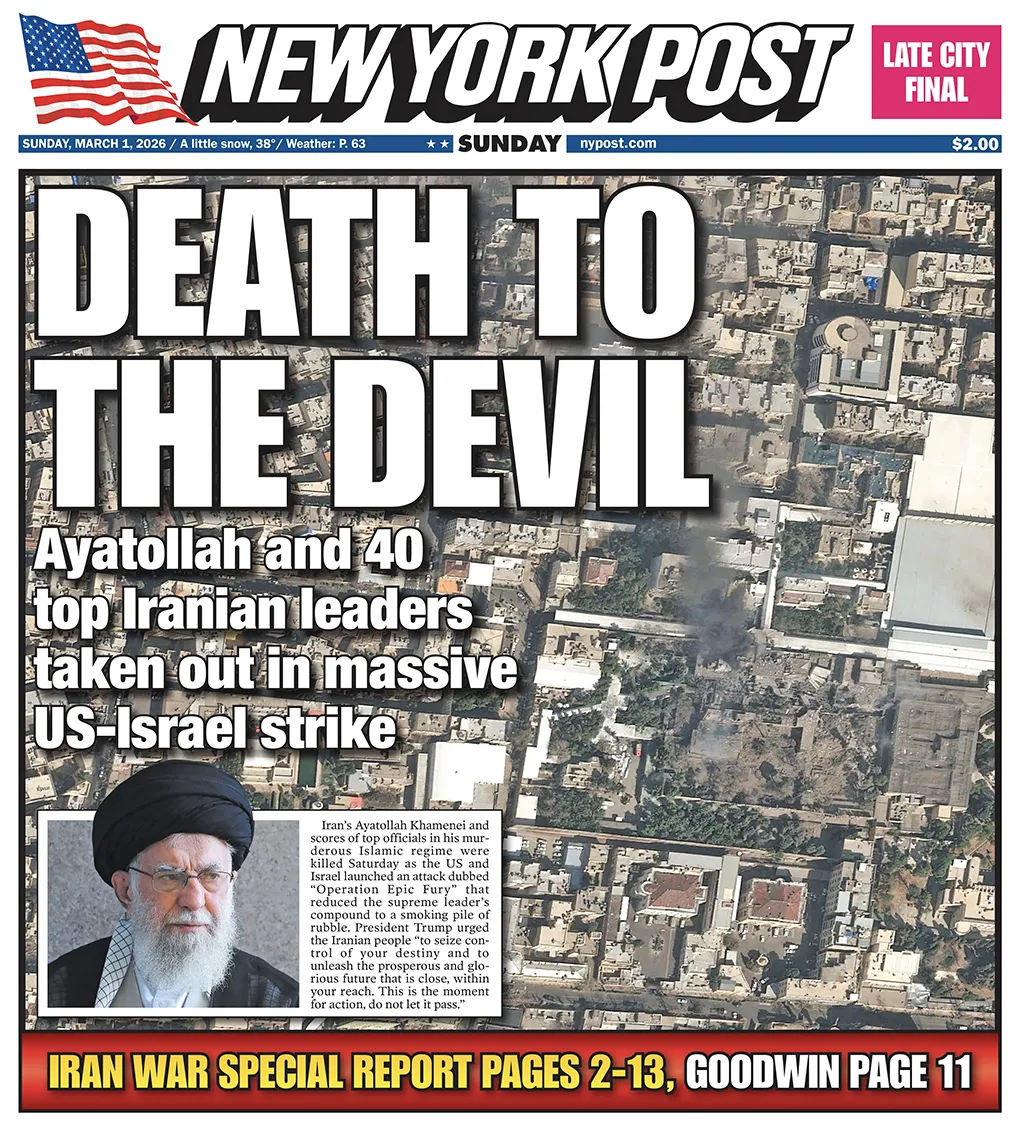
Iran Closes a Diplomatic Channel and Rejects UN Nuclear Oversight

Iran's Foreign Ministry terminated the Cairo memorandum of understanding and formally condemned a new resolution at the IAEA Board of Governors on the same day — two coordinated moves that tighten Tehran's negotiating stance before any fresh talks on its nuclear program.
The Cairo MOU had functioned as a defined procedural channel for technical and diplomatic contact between Iran and international nuclear monitors, operating somewhat independently of the formal IAEA safeguards framework. Its termination, announced November 24, 2025, removes one of the few remaining informal contact points outside the structure of the JCPOA—the 2015 nuclear accord that Iran abandoned after the U.S. withdrew in 2018. The Foreign Ministry offered no signal of an alternative arrangement. (Iran's Vienna Mission)
Simultaneously, Foreign Ministry spokesperson Esmaeil Baqaei issued a formal condemnation of the IAEA Board resolution, calling it politically motivated. The Board of Governors—a 35-member executive body—periodically votes to censure member states for failing to cooperate with nuclear safeguards inspections. Iran has faced several such resolutions since 2021, when the Board first recorded it in non-compliance with its non-proliferation obligations. (Iran's Vienna Mission)
What distinguishes this moment is the timing: the MOU termination gives Iran's rejection of the Board resolution a structural weight it would not carry as a statement alone.
Why This Matters
The Cairo MOU was not a formal legal treaty. It was a working agreement that created space for behind-the-scenes technical dialogue between Iran and the International Atomic Energy Agency (IAEA), separate from the rigid framework of formal inspection rights and violations. Its loss closes off one channel through which disputes have historically been managed quietly—without escalating to public Board resolutions.
The termination does not alter Iran's legal obligations under the Nuclear Non-Proliferation Treaty. Yet it narrows the room for the informal problem-solving conversations that have, in past diplomatic cycles, created conditions for broader negotiations. IAEA Director General Rafael Grossi has personally invested in maintaining these back-channel talks to preserve what limited monitoring access Iran still permits—access that has steadily eroded since Iran began disconnecting monitoring equipment in 2021.
The technical picture underscores why this loss of channel matters. Iran has enriched uranium to 60 percent purity at two of its facilities—a level with no clear civilian energy purpose under Iran's stated plans. The IAEA has also detected traces of near-weapons-grade material at undeclared locations. Within that verification landscape, the removal of even an informal diplomatic avenue becomes harder to shrug off.
The Pattern Behind the Moves
These actions fit a consistent pattern Iran has deployed since the JCPOA's functional collapse. The strategy involves advancing the nuclear program—enriching uranium to higher levels, expanding centrifuge production—while simultaneously rejecting the legitimacy of the international mechanisms that scrutinize these activities. It maintains pressure without crossing the red line of withdrawing from the Nuclear Non-Proliferation Treaty itself, which would trigger a qualitatively sharper international response.
Baqaei's language—framing the Board resolution as "anti-Iran" rather than a routine procedural vote—is also deliberate. It casts a multilateral action as a bilateral political attack, a framing aimed at building support among non-Western countries and states that have opposed or abstained from such resolutions. This narrative construction around Western double standards in nuclear governance has become central to Iranian diplomacy.
Whether the MOU termination is a pressure tactic with an off-ramp, or a durable structural break, the available statements do not reveal. What is clear is that both moves shrink the space for the quiet technical engagement that has, in past cycles, created openings for bigger diplomatic breakthroughs. The IAEA, European powers, and the United States now confront a verification environment with fewer informal anchors and an Iranian government that has formally closed a door without indicating it will open another.