AI Selloff Hits Stocks Again: Warnings, Oil and the Fed Meeting

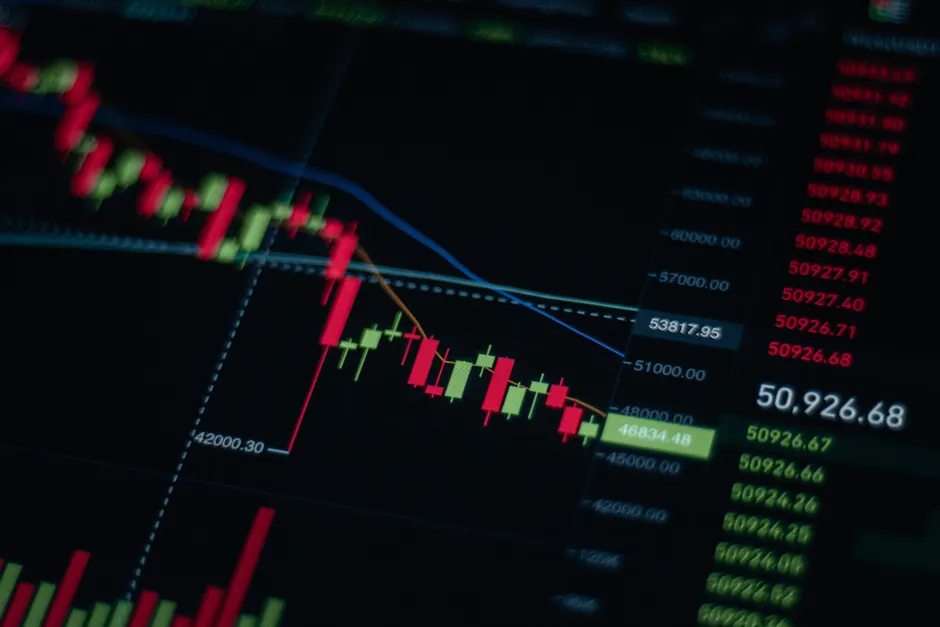
Wall Street's main indexes fell on September 14, 2026, pulled down by big AI stocks after top U.S. executives cited safety risks. Reuters
AI-linked stocks slumped worldwide on September 14 after leaders of the industry's biggest companies warned about risks. Reuters In that session, Nvidia shares fell 3.6% and the Philadelphia Semiconductor Index (.SOX), a basket tracking major chipmakers, dropped 5.1%. Reuters
Global stocks fell in mid-September, driven lower by AI shares amid a surge in oil prices. Reuters The Federal Open Market Committee (FOMC), the Fed group that sets interest rates, meets on Sept. 15-16. Federal News Network
The broader context here is that positioning was crowded and trading cash thins out before Fed meetings. For savers in index funds and borrowers watching rates, that mix means a tech wobble can reach account balances and loan costs faster than usual.
Three selloffs, one crowded trade
The September move was not isolated. In June 2026, a U.S. AI selloff spread from Wall Street to Asia as investors questioned soaring valuations, or prices versus expected profits, and heavy spending on AI infrastructure. The Guardian
The broader context here is that the cross-region spread mattered. Many funds owned the same megacap growth names, had similar market exposures, and found that geographic spread offered little protection when that group repriced together.
Wall Street analysts described the AI trade during that selloff week as taking a breather or pause. Yahoo Finance
In my view, that language was deliberate. A pause suggests prices are consolidating inside an intact trend, not a change in long-term cash flow forecasts, and it keeps forecasters' options open. For trading desks the effect was still practical, with cuts to total exposure, wider stop-loss levels, and tighter limits on single-stock bets.
An earlier episode centered on software. MarketWatch reported that a 7,200-word essay from an independent research firm helped spark a software-stock selloff that wiped out $200 billion in market value. MarketWatch MarketWatch also reported that a blog post from Citrini Research ignited selling amid high AI valuations and fears of software displacement. MarketWatch
Those February discussions introduced terms that stuck. MarketWatch hosts an article about FOBO, fear of becoming obsolete because of AI, becoming real for workers and markets. MarketWatch It also hosts an article about why AI science fiction spurred market panic. MarketWatch
Looking at what this means across February, June and September, stories hit harder when price multiples already assume fast adoption and capital spending is running at scale.
What changes when founders warn about their own product
The broader context here is that the source of a warning changes how it is priced. Critiques from outsiders are easy for holders to dismiss as uninformed. When leaders of the biggest companies warn about their own technology, that defense weakens. The September 14 move showed that shift, with AI names slumping worldwide rather than in one market or niche.
Looking at what this means for portfolio construction, September combined three pressures that investors usually try to separate. Crowding bunched losses in the same names that had driven index returns. Surging oil tightened financial conditions through commodities while multiples on growth stocks were shrinking. And the Sept. 15-16 FOMC meeting shortened the window for adding risk, since rate-sensitive stocks reprice quickly when the outlook for interest rates, used to value future profits, shifts.
In my view, the repeated February to September sequence argues against blaming any single essay, post or executive comment. The setup was primed. High starting prices left little buffer for disappointing news. Heavy AI infrastructure spending raised the bar to show return on invested capital and conversion into free cash flow. Displacement fears discounted incumbent software earnings before any revenue loss appeared. In that setup, a long note or safety warning acted as a shared signal to reduce risk, not fresh news about long-run potential.
For investors heading into the Fed dates, the practical question is sequencing. September 14 showed tech leading and the broader global market following, with oil adding a stagflationary edge of rising costs plus slower growth. If volatility runs into Sept. 15-16, expect focus on how sharply chip stocks swing, software versus infrastructure performance, and whether index drops trace to a narrow group rather than broad earnings weakness.