AI Chiefs Call for a Slowdown, and AI Stocks Slide
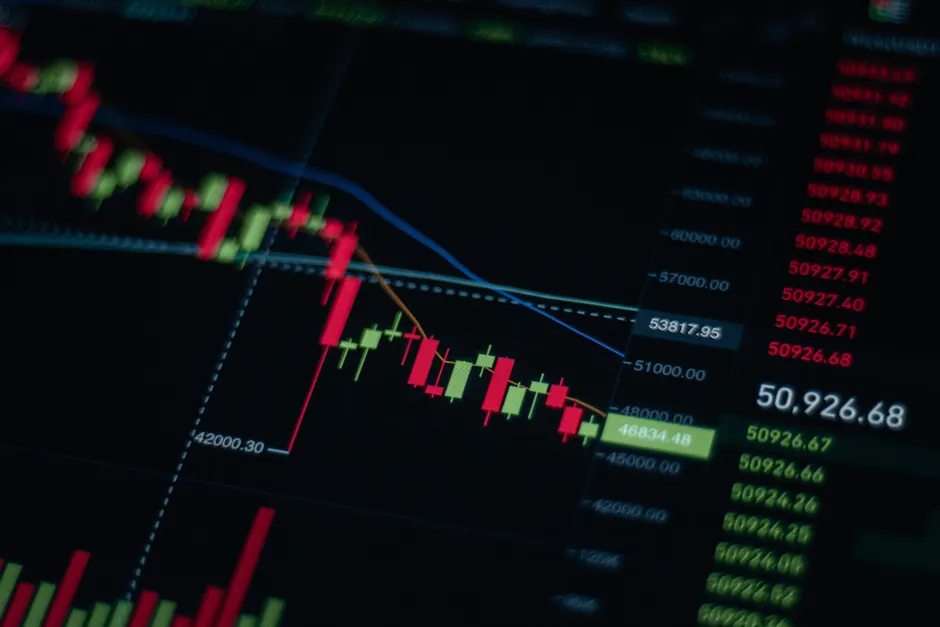
Top leaders of the biggest artificial intelligence companies warned of potentially existential risks and called for a slowdown in AI development, and AI-linked shares sold off sharply in Asia and the United States.
The calls came over the weekend and into Monday, Sept. 14, 2026. AI-linked Asian stocks slumped after the statements from top lab CEOs, according to Reuters. Top AI industry CEOs called for a slowdown in AI development, according to CNN.
In Japan, shares in SoftBank closed nearly 11% lower. SoftBank is invested in OpenAI, the creator of ChatGPT. In South Korea, the Kospi sank 3.3%.
The selling carried into U.S. hours. Technology stocks wilted on Monday as investors focused on the ripple effects of any new AI controls, according to The Washington Post. The price action was broad across megacap tech and AI supply chain beta. Beta means a stock that tends to swing more than the wider market. The selling was concentrated.
This is not the first sharp fall for the AI trade. Magnificent Seven stocks saw their worst drop since the launch of ChatGPT in July 2024, with $1.7 trillion in value erased in two weeks, according to MarketWatch. MarketWatch later framed the sentiment cycle with a Nov. 29, 2025 piece titled "As ChatGPT turns 3, here's what's crashing the party," according to MarketWatch.
Global technology stocks started 2026 with one of the worst periods of underperformance relative to non-tech sectors since the early 1970s, according to Goldman Sachs. That rotation left valuation dispersion unusually wide inside large-cap growth. Dispersion means the gap between the most and least expensive stocks grew large.
By late August, Micron Technology (NASDAQ:MU), PDD Holdings (NASDAQ:PDD) and Adobe (NASDAQ:ADBE) were identified as the three cheapest stocks on the Nasdaq-100, according to Yahoo Finance. The mix covers memory chips, Chinese e-commerce and application software, which carry very different duration, margin and regulatory exposures. Duration here means how long investors must wait for profits.
The broader context here is that the market is pricing two linked risks at once, and that matters for savers with tech in a 401(k) or index fund. The first is earnings duration, or payback time. Hyperscaler capex, the heavy spending on data centers by big cloud firms, and model training spend pulled forward a large share of expected AI cash flows, leaving share prices sensitive to any extension of payback periods or throttling of deployment. A voluntary or mandated slowdown shrinks near-term sales for accelerators, memory and interconnect while that spending stays high. That squeeze can cut how much investors will pay for each dollar of profit, especially in high-beta Asia proxies that move fast.
In my view, the second risk is regulatory overhang, the drag from possible future rules. Controls on frontier development would not fall evenly. Foundries, equipment makers, and balance-sheet funders with concentrated OpenAI and frontier-lab exposure face a different earnings path than cash-generative software with existing seat-based monetization, or fees per user. The August cheap screen reflects that split. Micron prices cyclical memory and utilization risk. Adobe prices seat expansion and pricing power risk. PDD prices a China consumption and delisting discount largely separate from U.S. model policy. For portfolio construction, the question is less tech versus non-tech and more which payback time and policy risk investors hold inside tech.