Why a Houthi Fight Would Strain U.S. Forces and Test the U.N.

U.S. officials say a fight with the Houthis could require significant naval and aerial resources. Reuters
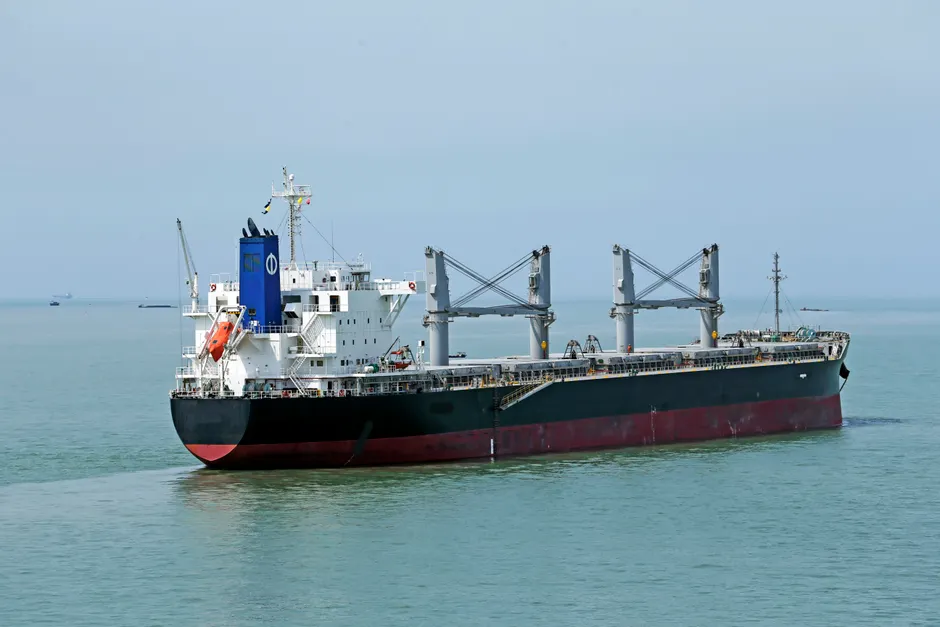
In 2023, the Houthis disrupted Red Sea shipping, saying they were acting in support of Palestinians during Israel's war in Gaza. Reuters In June 2026, the Houthis said they would ban Israeli maritime navigation in the Red Sea. Reuters
The Houthi movement espouses a hard-line Islamist ideology. It has hardened its anti-American, anti-Saudi and anti-Israeli rhetoric over time. AP News
In 2014, the Security Council established a sanctions committee to oversee measures against Yemen. Sanctions here mean economic and other penalties meant to pressure behavior. The committee is up for renewal in mid-November 2026. UN Press
The Security Council adopted Resolution 2826 (2026). The resolution extends the Secretary-General's reporting mandate on Houthi attacks in the Red Sea for six months. A mandate in this context is a formal instruction to monitor and report. UN Press
The broader context here is procedure meeting limits. Oversight and reporting preserve legal authority and information flow. They do not create ships or planes. Officials describing large requirements point to choices. Forces sent to the Red Sea are unavailable elsewhere. That shapes deterrence, or efforts to discourage attacks by showing force.
In my view, the November renewal and the six-month reporting window act as parallel calendars. One governs measures against Yemen. The other governs what the Council learns about Red Sea attacks. Renewal talks can adjust scope and implementation. Reporting supplies the record used in those talks.
Looking at what this means for navigation and diplomacy, a declared ban can pressure shipping without full enforcement. Owners change routes based on stated threats. Risk assessments shift. Leverage builds even where interdiction, or stopping ships at sea, remains contested. Hardened rhetoric adds pressure. Public commitments leave less room for quiet de-escalation.
Looking at what this means for the period ahead, the Council faces a familiar tension. Authority continues through committees and mandates. Capacity stays limited. Intent, shown in bans and rhetoric, stays adversarial. For governments and industry watching the Red Sea, the near term means continued scrutiny, not settlement. Renewal will test cohesion. Reporting will test visibility.
In my view, renewal talks will focus less on whether oversight exists than on whether it is useful. Committees depend on member states to carry out measures and share quality information. Regular assessments give diplomats a shared reference. They do not resolve disputes over enforcement. For planners, that distinction matters. Information narrows uncertainty. It does not erase cost.