Houthis Declare Red Sea Blockade of Saudi Arabia as U.S.-Iran War Escalates
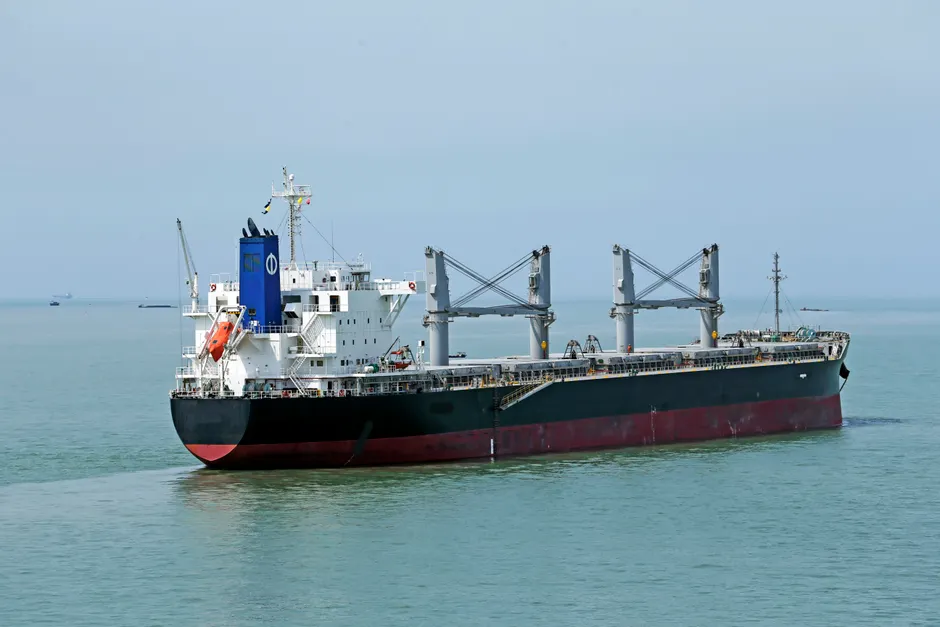
On July 20, 2026, the Houthis declared an immediate naval blockade of Saudi Arabia in the Red Sea, days after the two sides exchanged fire. The move opened a new maritime front in the widening U.S.-Iran war. The announcement came as Iran claimed attacks on ships in the Strait of Hormuz on July 21, following fresh U.S. strikes on Iranian territory.
The Houthi blockade was the activation of a plan Iran had set in motion earlier that month. According to Reuters, Iran had instructed the Houthis to close the Red Sea gateway if the United States struck Iran's power network. That instruction, reported on July 16, framed the Bab el-Mandeb strait — the narrow waterway between the Horn of Africa and the Arabian Peninsula — as a retaliatory lever: if Washington damaged Iran's domestic electricity infrastructure, Tehran's ally in Yemen would move to shut one of the world's most critical shipping chokepoints.
A chokepoint is a narrow passage of water that ships must pass through, making it easy to block. The Bab el-Mandeb strait is one such passage, connecting the Red Sea to the Gulf of Aden and onward to the Indian Ocean.
That condition now appears to have been met. By July 20, the Houthis issued a formal statement declaring the naval blockade against Saudi Arabia. The Guardian reported on July 21 that the declaration followed an exchange of fire between Houthi forces and Saudi Arabia the previous week. Reuters had previously described the Houthi blockade as threatening a new front in the U.S.-Iran war, an assessment that materialized within days of its reporting.
The economic stakes are measurable and serious. A full closure of the Bab el-Mandeb strait could cut global oil supply by 7%, according to Reuters. The Houthi maritime blockade on Saudi Arabia specifically could affect more than 3% of the global oil market, per The New York Times. The gap between those two figures reflects the difference between a total strait closure, which would stop all traffic through the Red Sea gateway, and a targeted blockade aimed only at Saudi maritime commerce.
Iran's claimed attacks on Strait of Hormuz ships on July 21 add to the disruption. The Strait of Hormuz, located between Iran and Oman, handles roughly one-fifth of global oil consumption under normal conditions. Any sustained interference there, on top of a Red Sea blockade, would place two of the three most critical oil transit chokepoints in the world in a state of active conflict at the same time.
The sequence of events matters for understanding how the conflict escalated. Iran's July 16 instruction to the Houthis was conditional — a deterrent threat designed to raise the cost of U.S. strikes on Iranian infrastructure. The U.S. strikes that followed, and Iran's Hormuz claims on July 21, suggest the deterrent did not hold. The Houthi blockade declaration on July 20 falls between those two events chronologically, pointing to a rapid operational cascade once the threshold was crossed.
Saudi Arabia's position is especially exposed. The kingdom is both a party to the exchange of fire that preceded the blockade declaration and the named target of the Houthi naval action. Riyadh now faces a direct threat to its Red Sea shipping lanes while the broader U.S.-Iran confrontation intensifies in the Gulf. The Houthis' capacity to project naval power in the Red Sea has been shown repeatedly since 2024, and the blockade declaration formalizes what had previously been a campaign of sporadic attacks on shipping.
The broader context here is what this means for energy markets and the trajectory of the conflict. The simultaneous threat to Bab el-Mandeb and Hormuz is a supply disruption scenario that pricing models have treated as a low-probability event — the kind of risk analysts acknowledge but do not expect to happen. The 3% to 7% range of potential global oil supply affected, depending on scope, is large enough to produce significant price shocks. For policymakers in Washington, the calculation now involves not only the direct military exchange with Iran but the cascading economic effects of two proxy theaters, Yemen and the Gulf, being activated in parallel. The speed of the cascade, from conditional threat on July 16 to blockade declaration on July 20 to Hormuz attacks claimed on July 21, leaves little diplomatic room for de-escalation before market reactions begin to lock in.


