Roelof Botha Joins SpaceX's Board as Public Transition Begins

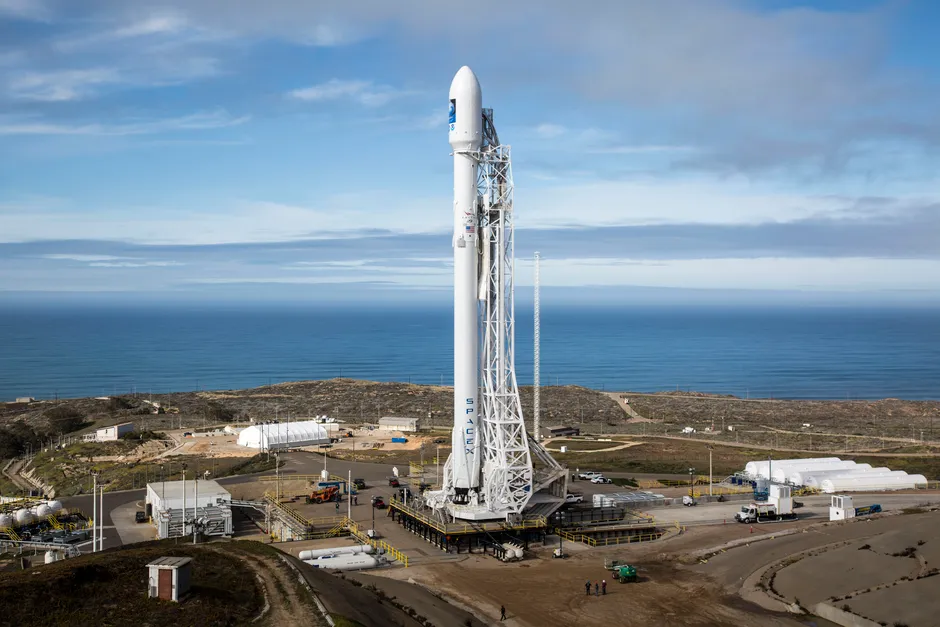
Roelof Botha has joined SpaceX's board of directors in the immediate aftermath of the company's historic initial public offering. SpaceX priced its IPO at $135 per share on June 11, selling 555.56 million shares to raise $75 billion — surpassing the $26 billion Saudi Aramco collected in 2019 and becoming the largest public offering on record, per Reuters. The offering valued SpaceX at $1.77 trillion. Shares then surged 19% on their first trading day, per AP News, pushing Elon Musk's net worth past the trillion-dollar threshold.
Botha brings significant governance experience to the role. He served as global head of Sequoia Capital from April 2022 and held the managing partner title until November 2025, when Alfred Lin and Pat Grady assumed co-managing partner roles, per Reuters. His prior board experience includes a stint as chairman of Unity Software starting in October 2023, a role he took on during a period of significant leadership change at the games-engine company, per Reuters.
Sequoia has maintained a long-standing investment in SpaceX, so Botha's familiarity with the company is not new. What changes now is the formal governance responsibility: a board seat during the company's first years as a public entity carries different obligations than an investor stake held through a fund.
SpaceX operates across multiple distinct business lines. The company functions as an aerospace contractor managing long-term government programs, runs Starlink as a consumer broadband service, and manufactures Starship with rapid iteration cycles. Each business operates under its own regulatory framework, follows different capital requirements, and faces distinct competitive pressures. This complexity puts real demands on board composition.
The transition from private to public governance is a critical juncture for any technology company. Quarterly financial disclosures, fiduciary duties to a large shareholder base, and the regulatory scrutiny that follows a $75 billion raise differ fundamentally from private-company board dynamics. Botha's decade-plus experience guiding portfolio companies through these exact transitions — including learning from high-profile governance challenges — provides practical insight that directors focused primarily on operations often lack.
Musk retains effective control of SpaceX through his substantial equity stake, which shapes how much independent authority the board will exercise. That said, institutional investors who purchased a significant portion of those 555 million-plus shares will expect credible governance oversight. Botha's track record directly addresses that investor concern.
For Botha personally, this board appointment extends his role beyond venture capital into one of the most visible public companies in the world. After three years directing Sequoia's global strategy and two decades building the firm's investment portfolio, a board seat at a company of this scale represents a natural continuation rather than a retreat from significant responsibility.