Light Phones Get Uber and Lyft Through a Simple Rideshare Tool
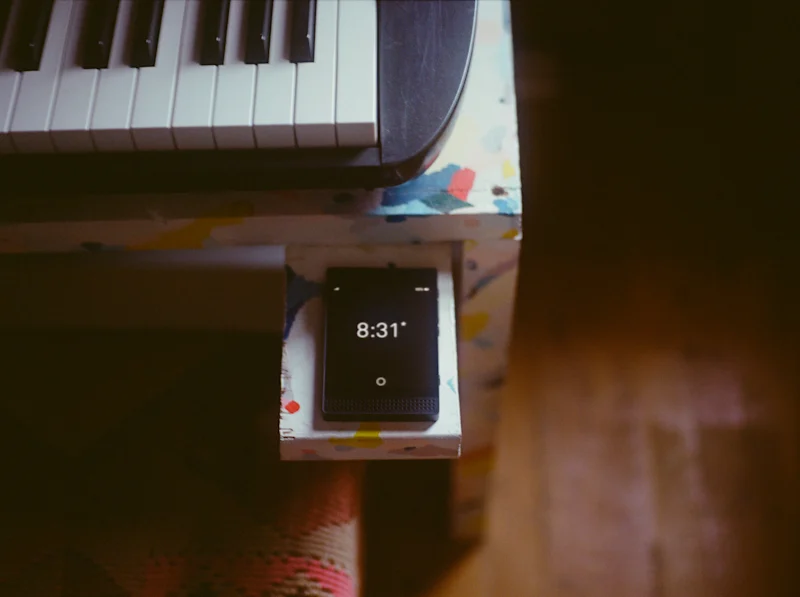
Light has added a Rideshare tool that brings Uber and Lyft to the Light Phone III and the coming Light Flip, The Verge reported on Sept. 15, 2026.
The tool covers the ride request on the phone. Users can enter pickup and drop-off locations, see fares and estimated arrival times, and choose a trip option or a saved location. Once booked, it shows driver information and arrival time and allows a call to the driver.
Setup stays off the phone. Users link accounts through Light's dashboard website, the same page used for other LightOS tools. The link runs through Tremp, an SMS-based platform for ordering cars that works by text message. Tremp charges a 10 percent service fee with a $2 minimum, waived for the first five rides within 30 days of creating an account.
Light called Rideshare an early preview of the LightOS tool library SDK, the developer kit for adding narrow features to the phone. The company had earlier said native ridesharing tools were planned and named the 1-800-USE-UBER service as a short-term option, according to Light's LightOS tips post. The Light Phone III includes a GPS navigation tool, as noted by Consumer Reports.
The broader context here is the delivery method, which counts more than any single ride detail. Routing Uber and Lyft through Tremp lets Light offer booking, tracking and driver contact without building and keeping up two separate native integrations. Dashboard setup keeps the phone interface narrow, with location entry, fare comparison and trip management limited to what the tool shows. If the SDK follows the same pattern, more online services could be added as small, bounded tools rather than open-ended apps, with Light controlling distribution through its dashboard.
In my view, the fee states the tradeoff plainly. Ten percent with a $2 floor, even with early rides waived, is the cost of using a middleman to reach mainstream transport. That leaves a practical question about reliability, support lines and update speed when a daily utility rests on a third party between handset and provider. If Light keeps that chain steady, minimalist phones gain a workable way to stay useful in an app-centered world. This release gives users a concrete way to test if less still feels clear.