Uber Launches Live Video Streaming for Teen Account Rides
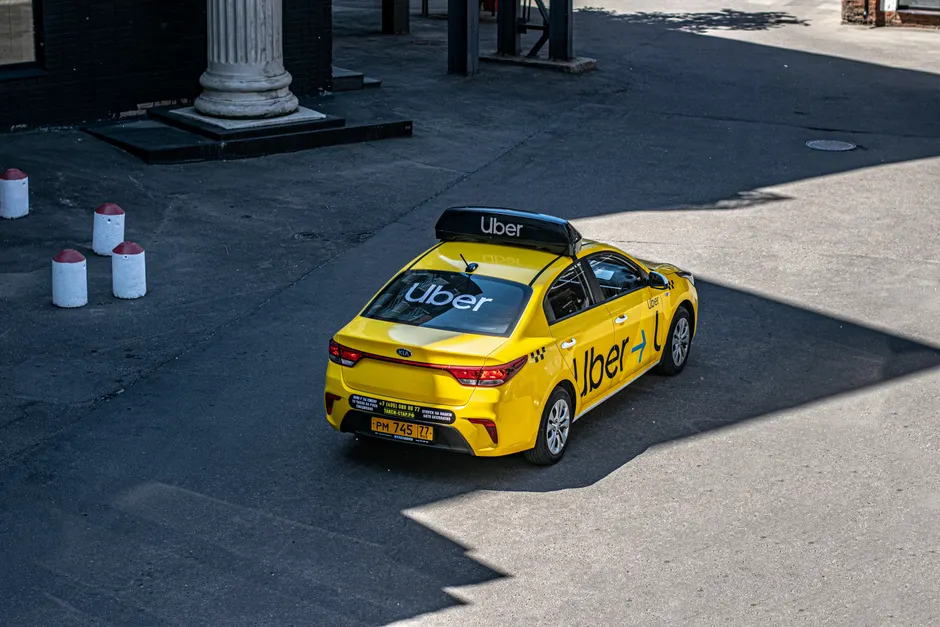
Uber announced on August 25, 2026 that it is introducing a live video streaming feature for teen account rides, letting parents and guardians watch their children's trips in real time. The feature uses the driver's selfie camera as the video feed, giving linked family accounts a live view from inside the vehicle during an active ride. TechCrunch
The feature launched in nine markets, including Atlanta, Cleveland, and Rhode Island, with a nationwide U.S. rollout planned in the weeks following the announcement. Uber first debuted teen accounts in the U.S. in 2023 and has since expanded the feature to more than 50 countries.
Access to the live stream is restricted to parents' or guardians' accounts that are linked to the teen's Uber account. When a parent or guardian chooses to watch the stream, both the driver and the teen receive a notification. Uber has confirmed that no one — driver, teen, or parent — retains access to the video once the ride ends. There is no recording or playback after the trip concludes.
Several design choices in the feature raise questions that the announcement does not fully resolve. Uber described the live video as "encrypted" but did not confirm whether it is end-to-end encrypted. The distinction matters. Standard encryption in transit protects data as it travels between a user's device and Uber's servers, but the service provider can still access the unencrypted content on its own systems. End-to-end encryption would mean only the parent's device and the driver's device could decode the stream, with no intermediary able to see it. Think of it as the difference between a sealed letter that only the recipient can open versus a letter that passes through a post office that could, in principle, read it. Uber's choice of language leaves the actual encryption architecture unclear.
The feature also offers no opt-out for other passengers who may be traveling with a teen. A friend, teammate, or sibling riding alongside the teen account holder has no mechanism to avoid appearing on the live feed. The notification system informs the driver and the teen that streaming is active, but a third-party passenger in the vehicle has no explicit consent or awareness mechanism built into the product.
These gaps sit at the intersection of several live regulatory and social tensions. Two-party consent laws for audio and video recording vary across U.S. states, and a feature that captures passengers who have not agreed to be filmed complicates compliance in jurisdictions with stricter recording statutes. Rhode Island, one of the launch markets, is a two-party consent state, which suggests Uber's legal team has at least considered this question. The absence of a third-party opt-out mechanism, however, leaves the practical compliance posture unclear.
Uber's teen accounts were built around a safety proposition from the start — trip sharing with parents, verified pickup matching, and restrictions on driver eligibility. The live video feature extends that proposition into real-time visual monitoring. Parents who already use trip-sharing notifications gain the ability to see, not just track, what is happening inside the vehicle.
The broader concern here is the trust dynamic this feature reshapes between three parties who are not equally positioned. The parent requests the stream. The teen and driver are notified but cannot decline. The driver, in particular, is being filmed by their own device, on a feed they cannot control or disable, at the request of a customer's parent they have never met. Uber's driver base includes a significant proportion of contractors who may not have anticipated their selfie camera being repurposed as a live parental monitoring feed when they accepted the terms of service. Whether drivers were consulted on this specific use case, or merely covered by existing camera-related provisions, is not addressed in the announcement.
The ephemerality of the video — no retention after the ride — is a meaningful privacy guardrail. It limits the feature's abuse surface to real-time observation rather than creating an archive of interior vehicle footage that could be stored, shared, or subpoenaed. That design choice, whether driven by privacy principle or liability calculus, is the right one.
Uber has built a feature that addresses a genuine parental anxiety. The execution details around encryption clarity and third-party passenger consent are the areas where the product will face scrutiny as it scales beyond its initial nine markets.


