Rumble Closes Northern Data Acquisition: 22,000 Nvidia GPUs Transform Its Data Center Portfolio

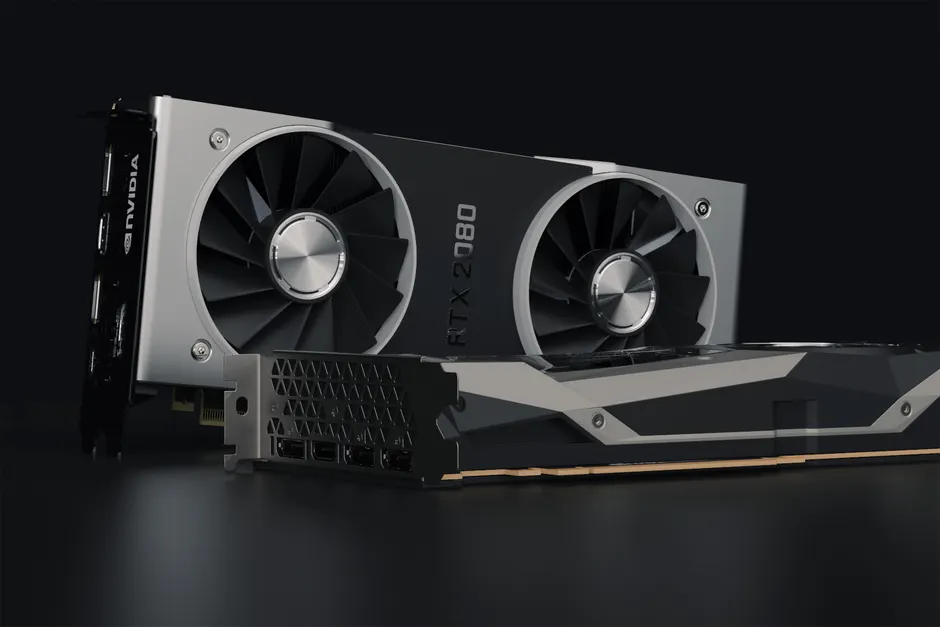
Rumble has closed its acquisition of Northern Data AG, picking up 22,000 Nvidia H100 and H200 GPUs distributed across nine data centers and up to 250 megawatts of power capacity, according to MarketWatch (published 2026-06-18 GMT).
The deal fundamentally reshapes Rumble's hardware infrastructure. Before this, the video platform ran data centers designed for media tasks — converting video formats, storing files, delivering content to users. Northern Data, a Frankfurt-listed operator of high-performance computing (HPC) and AI data centers, brings something different: GPU clusters built for the demanding, real-time demands of AI systems. These aren't borrowed tools; they're purpose-built for AI work.
The scale is worth understanding in concrete terms. Twenty-two thousand H100 and H200 units form a substantial cluster by any measure. An Nvidia H100 SXM5 GPU delivers roughly 3.9 petaFLOPS of computing power in a specific data format (FP8); spread across Rumble's full fleet, that translates to exaFLOPS-level throughput — billions of computations per second — depending on how the machines talk to each other and how hard they're pushed. A 250 megawatt power capacity is equally significant. At typical load, a dense cluster of H100 GPUs uses 10–20 kilowatts per GPU. That means Rumble has substantial room to expand, rent capacity to other companies, or build new services on top.
The power constraint may matter more than the chip count itself. Nvidia's supply situation has improved in recent months, but locking in hundreds of megawatts of electricity across nine locations is a long-term competitive advantage. Data center power is the scarce resource in nearly every market globally. Pre-approved, ready-to-use power capacity doesn't appear quickly or cheaply.
The strategic move here is clear enough: Rumble is trying to become a vertically integrated AI compute company, not just a video platform with AI features added on. Whether it can actually make money from that infrastructure — through its own video workloads, by selling computing time to other companies, or both — is the real test.
Rumble's CEO has publicly stated this isn't a temporary "pivot to AI," as reported by MarketWatch. That defensiveness matters: investors have watched media companies chase GPU assets before with mixed results. The ones that succeeded typically had either huge internal computing needs they could justify on their balance sheets, or a believable way to sell compute services to outside customers.
Rumble does have one advantage many previous attempts lacked: a large, politically distinct user base generating content and engagement data at scale. That could feed internal AI systems for recommendations, content moderation, and search. But whether that internal demand alone can justify the cost and utilization of 22,000 advanced GPUs is an open question.
For Northern Data, this deal resolves a difficult position. The German company faced mounting financial pressure from heavy capital spending and a volatile AI infrastructure market. For Rumble, buying European GPU assets that were underperforming offered a faster and likely cheaper path to scale than trying to purchase equivalent Nvidia chips on the open market at today's prices.
What the deal does not answer is whether Rumble can actually execute. Integrating nine data centers across a former German company into a U.S. video company's operations is complex work. Power contracts, cooling systems, network connections, and keeping experienced staff all present real integration risks. The headline number is the GPU count; the genuine test will be how well Rumble manages those nine facilities over the next four to six quarters.