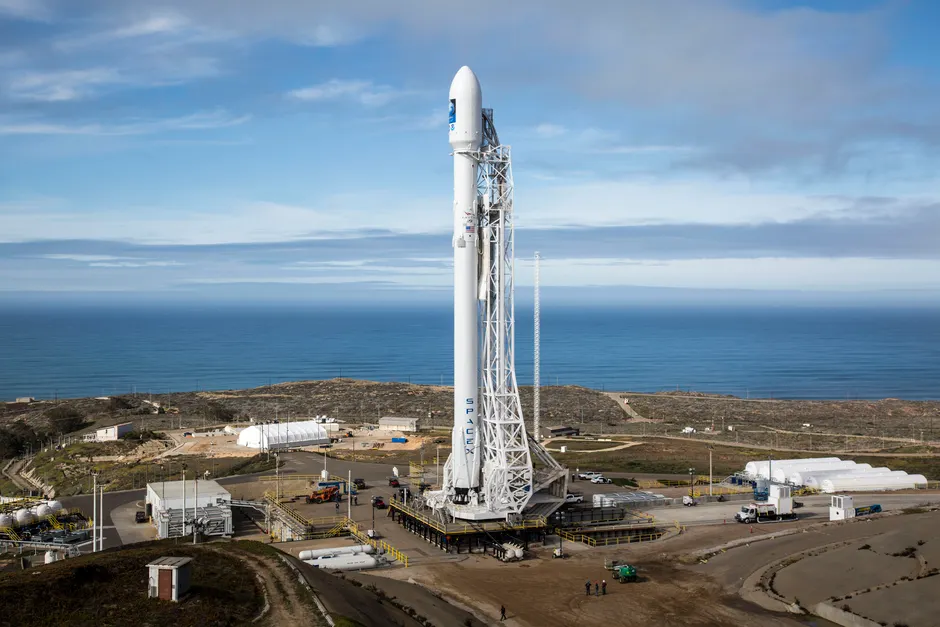
Starship Flight 14: SpaceX Aims for Orbit With 26 Starlinks

SpaceX will try to put the Starship upper stage into Earth orbit for the first time on Flight 14. The flight is scheduled for Sept. 22, with a 75-minute launch window opening at 7:15 a.m. CT, according to TechCrunch.
Flight 14 is the 14th test flight of the Starship mega-rocket. The plan calls for orbital insertion, meaning the upper stage gets enough speed and altitude to circle the Earth, rather than the suborbital paths used before in which the vehicle enters space but returns without completing an orbit.
The flight will also carry a payload. SpaceX plans to launch 26 V3 Starlink satellites into orbit on Flight 14. That number is higher than the load flown on the prior test.
SpaceX will not try to catch the Starship upper stage with the launch tower on Flight 14. It will also not try to catch the Super Heavy booster, the large first stage that provides the initial lift. Both stages will fly without a recovery attempt at the tower.
The prior flight provides context for the payload plan. SpaceX's 13th Starship test flight deployed 20 V3 Starlink satellites, according to Reuters. V3 Starlink satellites are a more powerful version with greater bandwidth and internet speeds.
SpaceX has said each Starship launch delivering V3 Starlink satellites will add more than 20 times the capacity, according to SpaceX.
Earlier work focused on deployment mechanics and thermal protection. SpaceX's Starship deployed its first batch of mock Starlink satellites in space in August 2025, according to Reuters. That same flight tested new heat-shield tiles during its passage through the atmosphere.
The broader context here is a change in test priorities. Orbital flight requires sustained operations, including power and thermal management on orbit, payload separation in sequence, and planning for controlled disposal or reentry. Suborbital tests can check launch, staging and travel through the atmosphere. They do not check that full loop.
In my view, the decision to forgo both catches is telling. It simplifies range safety and flight operations for a mission with new trajectory limits. It also trades reuse data for orbital and deployment data. For a vehicle meant to fly often, reuse matters. For a vehicle meant to deploy a constellation, showing it can reach a useful orbit with a full dispenser matters first.
Worth flagging for networking and ground-segment teams is what the satellite count suggests. Moving from mock satellites to 20 operational V3 spacecraft and now to a planned 26 points to parallel progress on the dispenser, avionics and separation system. If each Starship load does add capacity at that scale, planning for backhaul, ground stations and enterprise service tiers changes. Throughput would be less limited by launch pace and more limited by spectrum coordination, terminal availability and ground infrastructure.
The long arc here is why this flight is worth watching closely, even without a tower catch to anchor the broadcast. A successful insertion and deployment would move Starship from a vehicle that survives flight to a vehicle that delivers service on orbit. The industry has lived through that transition with every major launcher. The hardware stops being the story. What it carries becomes the story.