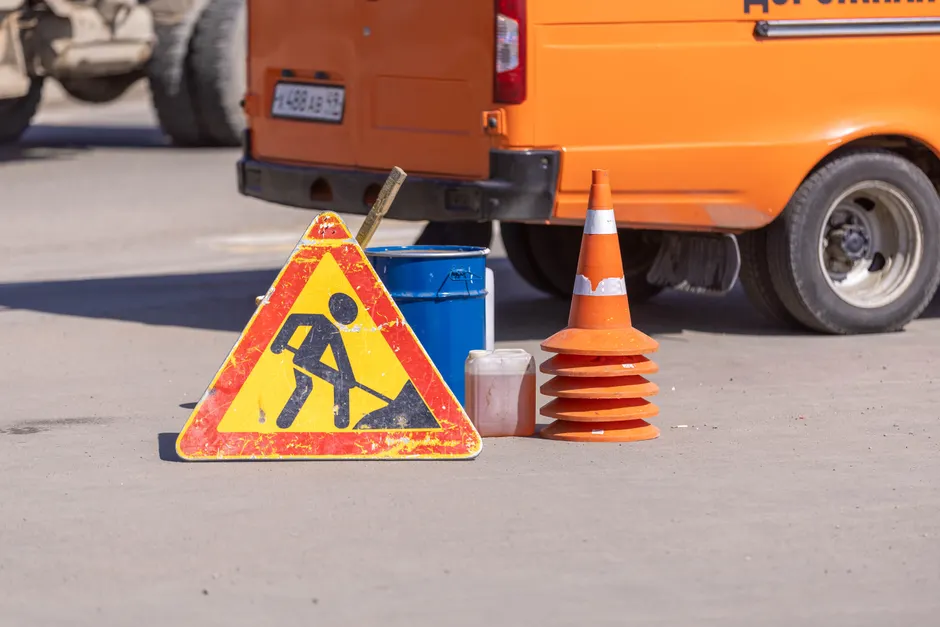
Britain's Hottest Summer Could Mean More Potholes, RAC Warns
Drivers should expect more potholes after the UK's hottest summer on record, the RAC warned on 16 September. The Guardian
How heat damages roads
RAC head of policy Simon Williams said intense heat and UV light oxidise bitumen, the sticky binder that holds road surfaces together. When bitumen oxidises, it dries out. The surface turns brittle and cracks more easily, much like old rubber left in the sun.
Temperatures rose above 38C in parts of the UK during back-to-back heatwaves in summer 2026. The Met Office reported summer 2026 was provisionally the hottest on record for the UK. Met Office The peak was 38.1C at Kew Gardens on 13 August. Met Office scientists found such high summer temperatures were 130 times more likely because of human-induced climate change.
Why roads were already weak
The heat hit a network weakened by winter. According to the Asphalt Industry Alliance, only half the road network in England and Wales was in good condition after last winter. The RAC said near-constant rain in early 2026 caused a sudden rise in drivers hitting potholes hidden in puddles.
Council highway budgets in England were raised to a record £1.6bn for 2025-26. That increase has not yet led to better surface ratings across local authority networks.
What drivers are seeing
An RAC report earlier in 2026 found 51% of motorists named the state of Britain's roads as their biggest driving-related anxiety, and 83% said they meet potholes on most trips. The AA president reported 40,000 pothole-related breakdown calls in a month during the heatwaves. The Independent
The RAC had warned of heat-related breakdown risks before September. It warned of an early summer surge in breakdowns when a heatwave affected southern and eastern England in June 2026. It issued similar warnings in July 2025, when temperatures were forecast to reach 30C in some areas on 10 July, and in July 2022, when extremely high temperatures were expected to cause a large rise in breakdowns.
Spring 2026 came before the summer heat. It was the warmest spring on record for England and Wales and the third warmest for the UK overall. England's mean spring temperature was 10.41C, above the previous record of 10.23C.
The broader context here is that the sequence matters more than one hot season. A wet start to the year saturates the foundations and strips the binder, summer sun hardens the exposed top, then autumn traffic pulls the cracks open. With half the network in England and Wales already outside good condition, there is little margin in the maintenance backlog. The question for councils and Whitehall is whether the £1.6bn will pay for short-term patching or a shift to resurfacing and drainage renewal built for hotter summers and wetter winters together.