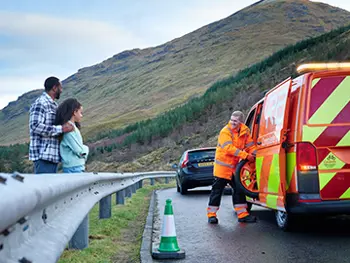
Why Queue-Skipping at English Roadworks Puts Workers in Danger
National Highways warned on 18 September 2026 that drivers who ignore roadwork closures to skip queues are putting lives at risk. The warning was linked to 814 incursions recorded in England between January and July 2026. The count covers vehicles that entered closed parts of motorways and A-roads where work zones were active. The Guardian
Of the 814 incursions, 53% involved drivers trying to avoid queues, closures or diversions. National Highways describes that behaviour as 'seeking benefit', meaning a deliberate entry rather than error or confusion. More than 400 such entries occurred in 2026. On average, about 30 incursions are recorded each week across England's motorways and A-roads.
Repeated incursions on the M1 in Hertfordshire earlier in 2026 led to the motorway being closed completely to keep workers safe. That decision created a 10-mile diversion. A traffic layout meant to keep some lanes running was replaced with a full stop of traffic through the section.
National Highways also released footage of drivers entering closed roadworks areas. The cases shown led to successful prosecutions and driving bans. There were no casualties in the incidents shown in the footage. Separately, at least one death in 2026 was caused by incursions into roadworks, according to Melanie Clarke, National Highways director of health, safety and wellbeing.
The broader context here is how compliance holds the work zone together. A closure, a cone taper that guides traffic away, and a diversion all depend on drivers accepting delay at the restriction point. Think of it like a pressure valve that only works if most people wait their turn. When a minority drives into the closed area, site staff lose the separation between moving traffic and people on foot. The choice then narrows. Tolerate the breach, or remove the exposure.
Looking at what this means for operations, prosecution and full closure sit at opposite ends of the response. Prosecution works after the event. It assigns liability, removes repeat risk through bans, and signals to other drivers that closed means closed. The risk to workers is direct. Footage helps. It preserves number plates, movements and timing in a form courts can use. That clarity matters when intent is central, particularly for 'seeking benefit' entries to avoid queues.
In practical terms during the event, full closure restores a margin of safety by stopping all traffic. It transfers delay to the wider network and to compliant drivers. The M1 example shows that trade. Ten miles of diversion is not a small adjustment. It adds journey time, fuel use and management workload. It also penalises the majority who obeyed the signs.
In my view, the figures point to a compliance problem rather than a signage problem. More than half of incursions were linked to queue avoidance. That suggests drivers understood the restriction and judged that entry would save time. For practitioners, the question is deterrence before entry, not explanation after it. Cameras, consistent prosecution outcomes and visible enforcement at closures change that calculation. So does the prospect that wilful entry will close the road entirely, removing any time saving.
What matters most here is worker safety. Road crews have limited protection once a vehicle passes the cones. A single entry can halt work, require reinspection of the layout, and pull supervision away from the task toward traffic control. Over a programme of works, repeated stops build into delays and cost. The fatality cited by Clarke sets the outer limit of that risk.