Los Angeles Helicopter Crash Kills Three as Federal Investigators Take Over

At least three people were killed when a helicopter crashed in Los Angeles on Tuesday. One more person was taken to a hospital in unknown condition, according to the Los Angeles Fire Department. The Guardian
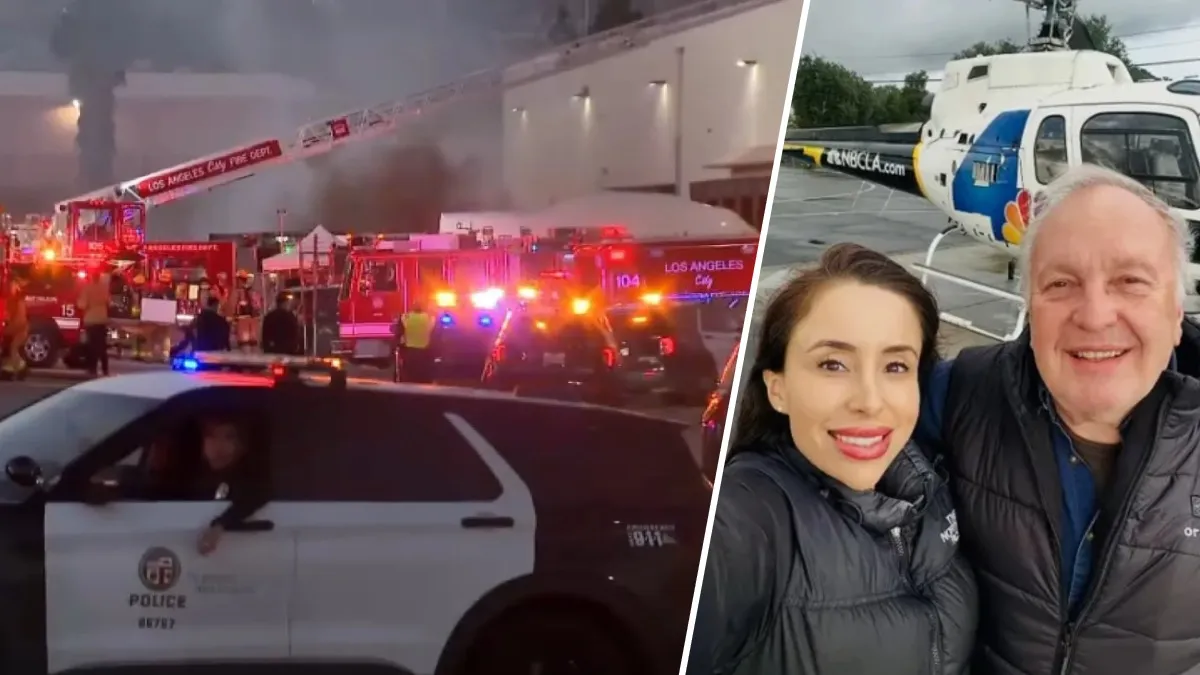
The helicopter came down in a parking lot, striking into or next to parked vehicles. At least one person who died was outside in the lot at the time, LAFD spokesperson Capt Branden Silverman said at a news conference. The impact set off a fire that damaged four vehicles and two storage containers, officials said.
More than 50 firefighters responded to the scene, according to the fire department.
The crash site was near where a separate deadly collision happened earlier that day, officials said. In that earlier incident, an SUV crashed into a city bus in Los Angeles, killing two people and injuring six others.
The National Transportation Safety Board and the Federal Aviation Administration will handle the investigation into the helicopter crash. The NTSB investigates civil air crashes, while the FAA oversees air safety. No findings have been reported. The cause remains undetermined on the public record.
The broader context here is two fatal transport incidents in one area within hours. That closeness can complicate access, staging and perimeter control. It can also strain the same fire companies, hospitals and investigators in rapid succession. The facts so far do not establish a link between the bus collision and the helicopter crash beyond location and timing.
Looking at what this means for casualty accounting, early numbers after aviation crashes are often provisional. The department attributes at least three deaths to the helicopter incident, with one person hospitalized. It confirms at least one ground victim in the parking lot. The locations of the others have not been detailed. Whether the hospitalized person was aboard the aircraft, on the ground, or in a struck vehicle has not been stated.
In my view, readers should weigh what is still missing and why answers take time. Aircraft identity, flight purpose, flight path, weather, pilot communications and maintenance history have not been provided in the verified account. Ground casualties add questions about where people stood relative to parked vehicles and storage containers. Like fitting together a burnt puzzle, federal investigators document wreckage, review records and analyze evidence in order. That process does not produce rapid conclusions.
For context on the fire damage, four vehicles and two storage containers were damaged. Burn patterns and impact marks help show direction of travel and post-crash fire spread. The same damage raises practical questions about cleanup, claims and temporary loss of parking and storage capacity.
Looking ahead, what comes next is procedural. Federal investigators take the lead. Local firefighters complete overhaul and hand over the scene. Medical authorities confirm identities and causes of death. Officials will need to clarify any relationship between air operations overhead and emergency activity below tied to the bus crash.