Gaza City Collapse: Why Death Tolls Differ and Shelter Is Scarce
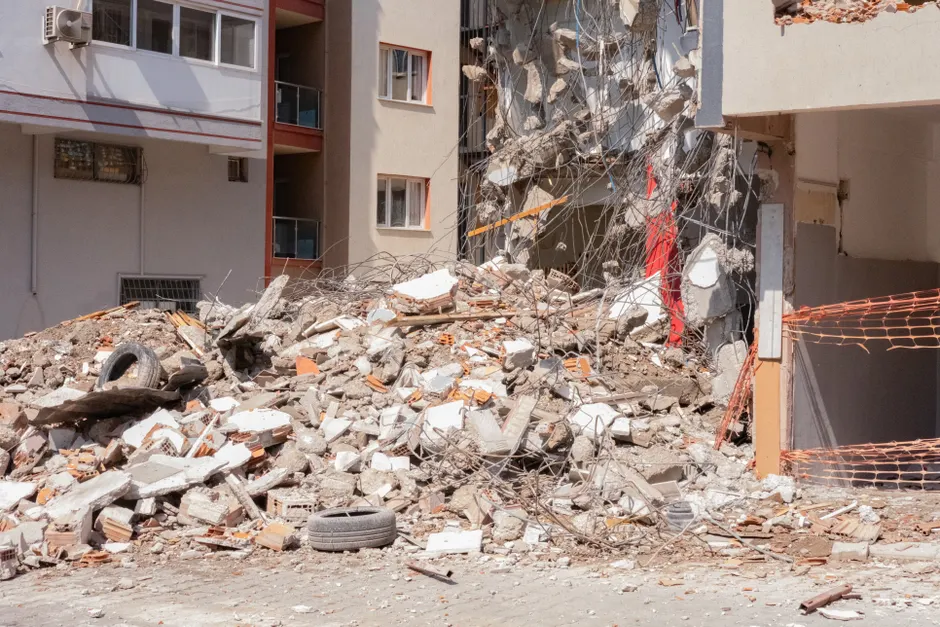
A war-damaged six-story apartment block in western Gaza City collapsed on September 16, 2026, killing 12 people sheltering inside and injuring 14, according to Reuters. That same reporting put the number trapped in the rubble at about 100.
The structure was a six-story residential apartment block in western Gaza City, according to the Times of India. At least six displaced Palestinian families were living there early on Wednesday, according to The Associated Press. CBC described half a dozen families inside when the building came down overnight into Wednesday as occupants slept.
Casualty counts diverged on September 16 as rescue work continued. Reuters put the dead at 12 with 14 injured. The Associated Press reported 16 killed. Middle East Eye reported at least 14 killed with dozens more trapped under rubble. Anadolu Agency also reported 14 killed, including five children. CBC reported 19 killed and 25 injured. The Times of India reported at least 10 Palestinians, including children, killed with dozens missing.
Prior damage is a common element in the accounts. Reuters described the building as war-damaged and said the dead were seeking shelter inside. Middle East Eye described it as previously hit by Israeli forces before collapsing on Wednesday. No verified account specifies the structural failure sequence.
The broader context here is shelter under strain. A damaged multistory block housing multiple displaced families points to a shortage of alternatives. Think of families returning to a house with cracked walls after an earthquake because tents are full. People sleep in unsafe structures when other options are absent or out of reach.
Looking at what this means for response, the trapped figure matters more than the confirmed dead at this stage. Reuters cited about 100 trapped. Other outlets described dozens trapped or missing. The gap reflects different moments in a fluid rescue operation and different definitions of missing, trapped and confirmed. Recovery in such collapses is slow, equipment-intensive and dangerous for rescuers, since secondary shifts in rubble can injure survivors and responders.
In my view, the casualty variance itself is information. When outlets report 10, 12, 14, 16 and 19 dead within the same news cycle, it signals limited access for independent verification and heavy reliance on early field reports. For planners, the prudent reading is directional rather than precise. A mass-casualty structural collapse occurred in a densely occupied building. Children were among the dead. Many remained unaccounted for under rubble on September 16.


