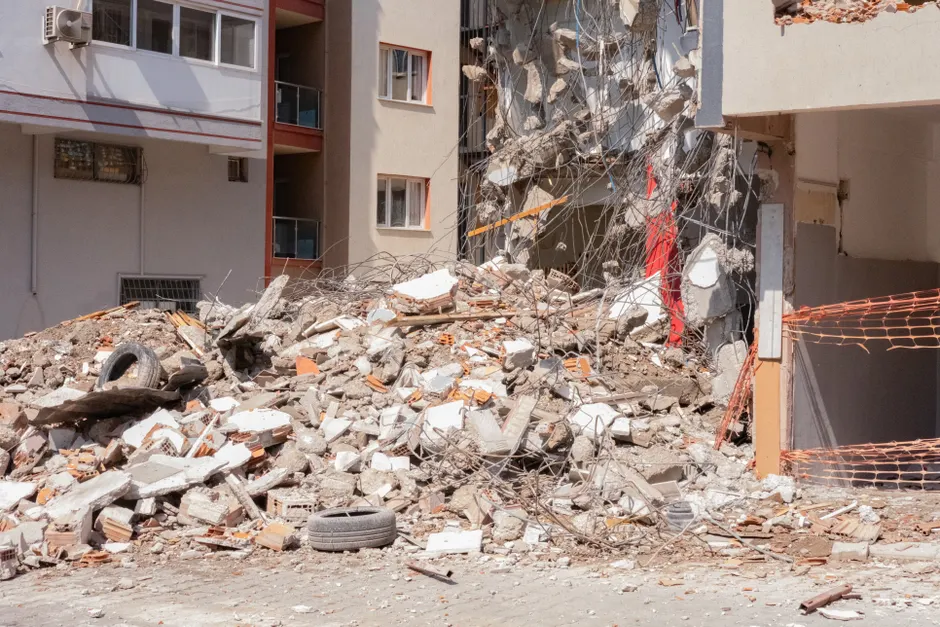
Gaza City Collapse: Why a Damaged Building Turned Deadly

At least 21 Palestinians were killed early on Wednesday, September 16, 2026, when a war-damaged building collapsed in Gaza City. Al Jazeera The collapse happened overnight in a residential block sheltering displaced civilians, people forced from their homes by fighting.
The structure was identified as the al-Saada building in western Gaza City. It was a multi-storey block housing displaced families. Euronews
Casualty figures shifted as the day progressed. Early reporting cited at least 10 dead, with up to 70 believed missing. Al Jazeera Later reporting put the toll at 21, including at least 11 children and five women. OurMidland A separate report on Wednesday cited at least 20 dead, including five children, with dozens missing. Times of Israel
Hayat al-Ajlah, 37, was pulled from the rubble and later searched in hospital for her 8-year-old daughter Dalia. Nine members of her extended family were killed in the collapse. They included her parents, four siblings, and three nephews and nieces.
Her four children survived. Dalia was taken to hospital with a serious head injury. Many relatives were in the building at the time because the family was preparing for a wedding planned for next week.
The family had been displaced from the Shujayea neighbourhood in Gaza City to Deir el-Balah. They returned about two months before the collapse. They then moved into an empty apartment on the third floor of the al-Saada building after a friend of al-Ajlah's father said it was available. Residents and neighbours had long feared the building was unsafe after it was damaged during the war on Gaza.
The broader context here is risk from damaged buildings, a second danger that follows fighting. A building can look intact but lose strength inside, like a bridge weakened by an earthquake. Damaged frames, families moving back in without safety checks, and repeated displacement can turn shelter itself into a threat. For civilian-protection workers, the practical questions are how to survey weakened buildings, mark off and close the most dangerous ones, and find safer shelter where it exists.
Looking at what this means for Gaza City, pressure on livable space is pushing people back into buildings that would normally stay closed until inspection. Returning to home areas does not mean a building is safe. Without systematic checks, clearing of rubble, and other options for displaced households, similar collapses carry a repeated risk and are not a one-off accident.
In my view, readers should read this collapse together with displacement, not as a separate accident. Deaths linked to damaged buildings make it harder to record casualties, plan shelter, and order steps for urban recovery. They also test how local authorities, rescuers, and international bodies set priorities for inspections and safety warnings when full reconstruction has not begun.