Why the World Is Watching Sudan's El Obeid — And What That Actually Means

On June 18, 2026, two things happened on the same day. The UN Secretary-General released a statement voicing concern about intensifying combat around El Obeid, the main city in North Kordofan State in central Sudan. At nearly the same moment, 22 countries issued a joint warning at the UN Human Rights Council about the rising risk of mass atrocities in that same city.
The timing matters. When the UN's top administrator and a large coalition of nations speak about the same crisis simultaneously, they're usually coordinating — signaling together rather than acting alone. This sends a message beyond routine crisis reporting. What's at stake in El Obeid is not just humanitarian. The city sits at a crossroads for supplies moving north toward Egypt and south toward South Sudan. If fighting overruns or strangles the city through a prolonged siege, it cuts off relief corridors that are already straining to reach civilians across the region.
How We Got Here
Fighting in Kordofan has worsened over months, not days. By April 2026, international observers documented that combat in El Obeid had already killed hundreds of civilians and involved indiscriminate shelling — the kind of conduct that meets the international legal definition of war crimes under the Rome Statute, regardless of which side ordered it.
Earlier, in February 2026, UN officials confirmed drone strikes across multiple areas of Kordofan, spreading aerial warfare into regions that had previously been spared. This expansion fits a larger pattern. The conflict started in April 2023 when Sudan's Armed Forces and the Rapid Support Forces — a militia group with significant military capacity — began fighting for control of Khartoum and Darfur. That war has since spread outward into the Kordofan region.
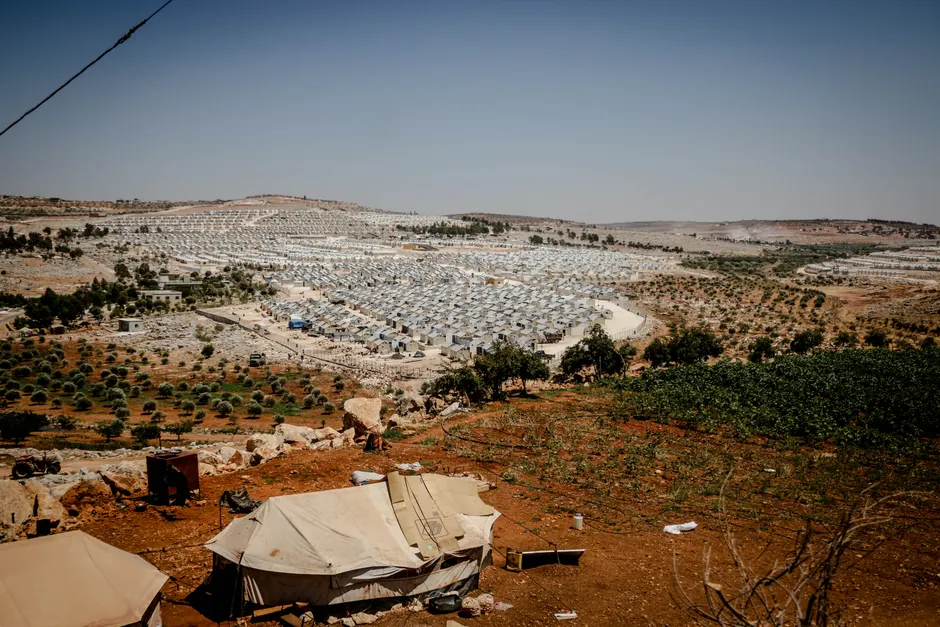
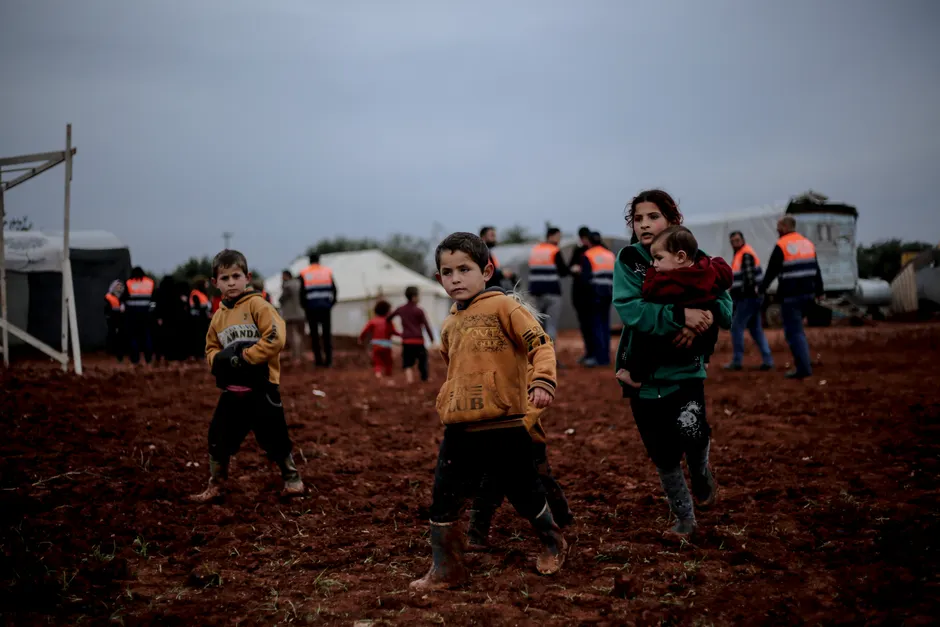
The international community saw warning signs earlier. In December 2025, the UN's top human rights official, Volker Türk, explicitly cautioned against El Obeid becoming "another El Fasher" — the North Darfur capital where a sustained siege resulted in mass civilian death and prompted several governments and UN investigators to use the word "genocide." That comparison carries historical weight: El Fasher remained the last major Darfur city outside the Rapid Support Forces' control when it came under sustained attack, and what followed there became the benchmark for civilian catastrophe in this conflict. Around the same time, the International Organization for Migration reported that populations across the Kordofan region were already fleeing as fighting edged closer to El Obeid.
What This Diplomatic Push Actually Does
When 22 countries speak together at the Human Rights Council, it carries more weight than a single nation's complaint. It creates an official record that UN investigators and future accountability bodies can reference. It also raises the diplomatic cost for any major power tempted to shield either side from international scrutiny.
That said, this kind of statement has real limits. It carries no enforcement power. Neither the Sudanese Armed Forces nor the Rapid Support Forces has shown much sign of changing tactics because of international condemnation alone. Over three years of this conflict, both sides have repeatedly targeted civilian areas — hospitals, markets, water systems — treating them either as acceptable collateral damage or deliberate targets. Secretary of State Antony Blinken described the pattern bluntly: new atrocities occurring each day.
What has historically shifted behavior in similar conflicts — credible arms embargoes with real enforcement, financial sanctions that freeze the assets of named military leaders, or formal referrals to the International Criminal Court — remains largely absent from Sudan's diplomatic toolkit. The April conference in Berlin produced statements acknowledging civilian deaths. It did not produce a binding mechanism to enforce a ceasefire or trigger accountability for those responsible.
The broader context here is that international attention alone has not proven sufficient to slow this conflict. Both armed parties have weathered sustained global criticism without substantially altering operations. Whether this renewed pressure on El Obeid will prove different depends on whether it translates into concrete costs — financial, military, or legal — that actually change calculations on the ground. The dual messaging from the Secretary-General and 22 states puts El Obeid formally on the world's agenda. Whether that agenda leads anywhere is the question the coming weeks will begin to answer.