Ancient Pit Complex Near Stonehenge Reveals Early Gathering Site

Archaeologists have identified a cluster of pits at Bulford, roughly three kilometres northeast of Stonehenge, that have been carbon-dated to approximately 5,000 years ago — placing them within the same broad period as Stonehenge's earliest construction phases, according to The New York Times.
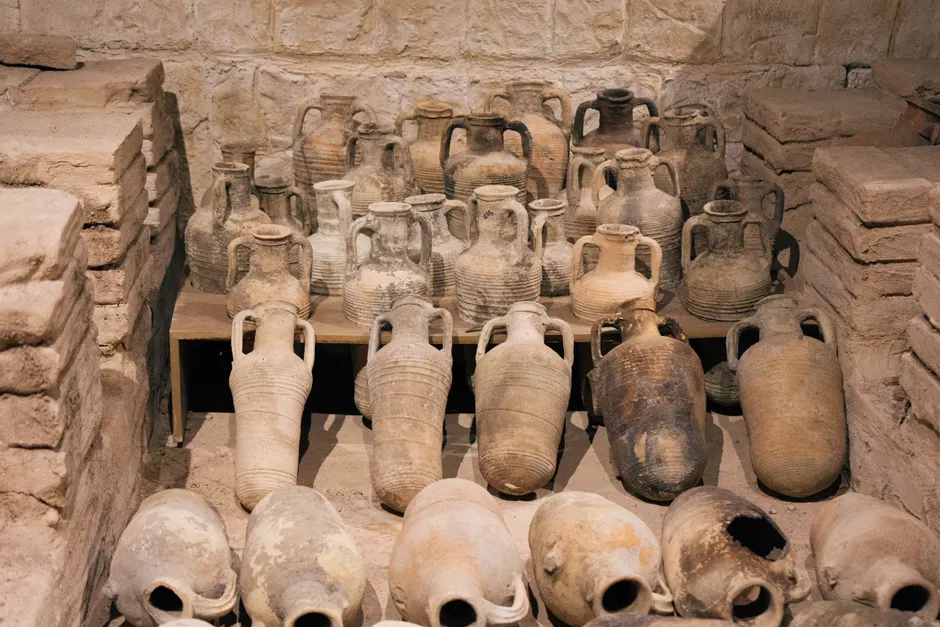
The excavated material tells a recognisable story. Pottery sherds, animal bone, worked flints, and charcoal emerged from the pits — a combination that matches what archaeologists typically find at Late Neolithic gathering sites across southern Britain, including causewayed camps and pit-circle monuments. The charcoal was crucial; it allowed radiocarbon dating to pinpoint the age of the site.
Stonehenge's own earliest phase, the construction of its outer ditch-and-bank earthwork, dates to around 3000–2900 BCE. The Bulford pits appear to fall within that same chronological horizon, which means the wider Stonehenge landscape may have been structured by communal activity before the famous stone settings were erected in later centuries.
The Stonehenge World Heritage Site covers roughly 26 square kilometres of Wiltshire chalkland. Since the Stonehenge Hidden Landscapes Project — a systematic geophysical survey — began publishing results in the 2010s, each field season has revealed previously unknown features. These include a buried super-henge at Durrington Walls and a row of massive shafts near Durrington. The Bulford discovery fits a now well-established pattern: the landscape is emerging as a distributed ceremonial complex rather than a single isolated monument.
Bulford's location matters for context. The village is today home to a British Army garrison, which can obscure its archaeological significance. Yet its proximity to Stonehenge has long placed it within the zone of interest for prehistorians studying the Avon corridor — a routeway that connected Neolithic communities across Wessex.
The timing of this announcement — days before the summer solstice on 21 June — is incidental to the archaeology itself, but not to public attention. Stonehenge draws tens of thousands of visitors for the solstice each year, many curious about the site's purpose and use. News of a coeval pit complex nearby will prompt broader interpretive questions: Did Bulford function as a feeder site, a satellite enclosure, or something independent that simply occupied the same moment in the regional sequence?
What remains uncertain is the functional interpretation. Pit complexes of this period are notoriously difficult to understand without large excavated assemblages and detailed analysis. The published record so far describes the finds in general terms. The density and spatial arrangement of the pits, the animal species represented in the faunal material, and the pottery styles will all bear on whether this was a midden (refuse heap), a structured deposition site with ritual purpose, or the edge of a larger settlement. Those details will emerge through post-excavation analysis.
What the Bulford find does establish, unambiguously, is that Early to Middle Neolithic activity extended across the immediate Stonehenge environs. Stonehenge scholarship has long puzzled over where the communities who built and used the monument actually lived and worked in the centuries before the great trilithons were raised. Each new pit complex, midden, or post-hole cluster discovered chips away at the older assumption that Stonehenge stood in ceremonial isolation. The emerging picture is one of a densely occupied, ritually complex landscape — and the Bulford pits are another substantive data point.