Dutch Rail Sabotage Inquiry: Signal Failures, Farm Protests and Prinsjesdag

Dutch police are investigating suspected sabotage after trains came to a standstill on the morning of Tuesday, September 15, 2026, with delays and cancellations across central and northern parts of the Netherlands, including Amsterdam. BBC
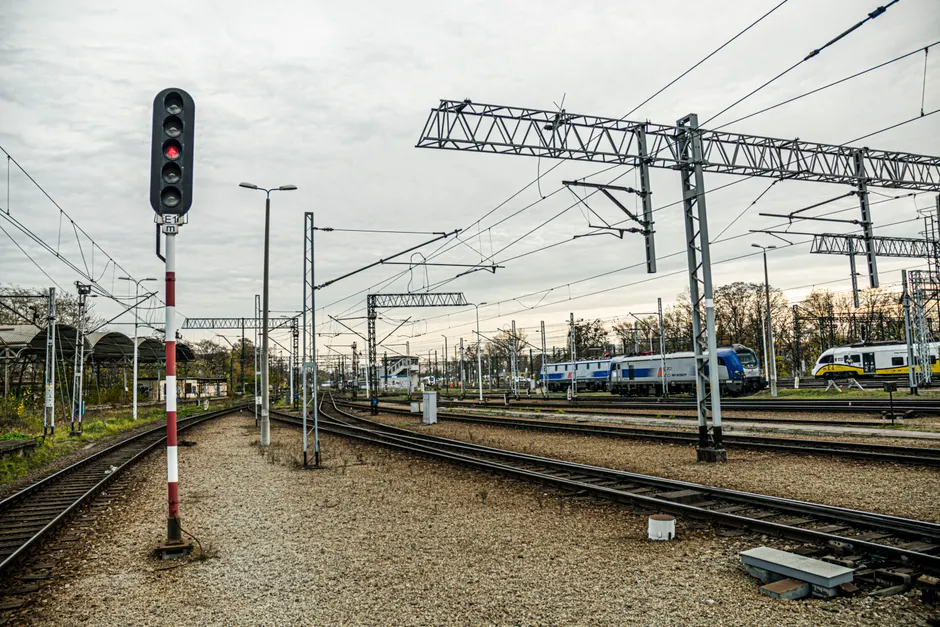
ProRail, the company that maintains tracks and signals, said materials had been deliberately placed in several places along the rails, causing sections of track to fail. The operator reported at least 35 signal failures linked to pipes and cables laid on the rails. The metal fooled the detection system into reading those sections as occupied, as if a train were standing there and blocking the way. Unauthorized materials were recovered in at least 20 locations. Al Jazeera ProRail reported no injuries.
The disruption followed an earlier incident. Early on Monday, a train hit a piece of metal on the track near Steenwijk in the east of the country. That collision did not shut down the network, but it is now part of the timeline under examination.
Suspicion has centered on farm activists. Sources at ProRail told broadcaster NOS that farmer groups had been seen in social media groups discussing direct action, including fixing metal pipes to train lines. Police are investigating farm activists as suspects in the sabotage inquiry, as reported on September 16. DutchNews
The Farmers Defence Force has denied responsibility for the railway interference. The group said its members set hay bales and car tyres alight along various roads across the Netherlands on Tuesday afternoon, on the government's budget day, Prinsjesdag, in protest.
Those road actions added to a difficult day for travel. Dutch farmers started fires near highways on September 15, disrupting road traffic. Reuters The September 15 protests were directed against the government budget. The budget plans at issue addressed nitrogen pollution. ProRail is the Netherlands rail infrastructure operator. Its interim chief executive is Mirjam van Velthuizen.
The broader context here is a clash between infrastructure security and protest politics on a highly visible political date. Covert interference on the rail network and open burning of bales and tyres on roads happened on the same day, but they work in different ways and carry different legal weight. Timing brings maximum attention. It also speeds up claims about who is responsible.
What is difficult at this stage is attribution. Investigators will need to separate what can be proved about access to dispersed track sites, coordination across at least 20 locations, and communications planning from what was said in social media groups before the event. Denials and suspicions travel faster than forensic findings. Skepticism is warranted in both directions until police complete their work.
Looking at what this means for network operators and authorities, the immediate priorities are recovery and evidence preservation. ProRail must clear foreign objects, restore normal signalling, and secure vulnerable sections. Police must reconstruct entry, placement, and timing. For people who run dense rail systems, the incident shows how low-cost materials can cause wide disruption when they interact with occupancy detection and fail-safe closures. The political calendar adds pressure to explain quickly without prejudging the inquiry.