Canada as EU 'Associate Member': A New Tier That Could Include Britain
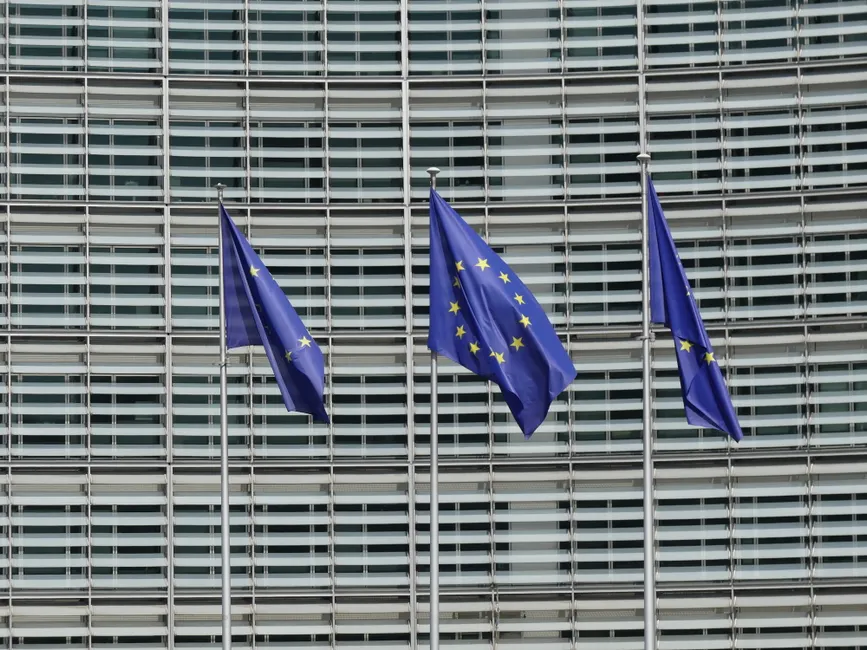
Ursula von der Leyen has proposed making Canada the European Union's first 'associate member.' She made the pitch in her State of the Union address in Strasbourg. The Guardian
The proposal
She delivered the 2026 address on September 15, 2026. It was the centrepiece of the European Parliament's September 14-17 plenary session (its full meeting) in Strasbourg. The session scheduled a debate between the Commission president and MEPs, the Parliament's elected members, for 09:00 on Wednesday. European Parliament briefing
Von der Leyen framed the idea as alliance-building in "an openly hostile world." She said new partnerships were needed "in the cold fragility of today's world" in the face of an increasingly assertive China.
The language follows existing defence-industrial cooperation. Canada and the EU signed an agreement on February 14, 2026 on Canada's participation under the EU's SAFE Instrument (a joint defence-spending tool). Government of Canada In Ottawa, Prime Minister Mark Carney has argued since January for closer alignment among "middle powers," influential countries that are not superpowers, amid recklessness in Washington.
Reaction in Strasbourg
Initial reaction treated the label as a precedent. German Social Democrat MEP Tobias Cremer said a deeper EU-Canada relationship could be a blueprint, a model to copy, for other countries, including the UK. Bernd Lange, chair of the Parliament's international trade committee, said associate membership could become a model for close transcontinental partnerships with democratic countries. Joel Reland of UK in a Changing Europe described the offer as an "earthquake" that remains "deliciously vague."
Why the details matter
The broader context here is institutional invention. Associate membership has no agreed scope in the facts presented. No treaty change, eligibility criteria or institutional rights were attached to the proposal as reported. That vagueness is functional. It lets the Commission signal political intent without opening a legal negotiation.
Looking at what this means for London and other capitals, the sequencing matters. Canada is positioned as the test case. If associate status acquires substance on consultation, market access or security cooperation, it could be adapted elsewhere. If it stays declaratory, its value will be diplomatic. Cremer's reference to the UK and Lange's reference to transcontinental partnerships point to that wider audition.
Looking ahead, Ottawa and Brussels face different questions. For Ottawa, the calculation will turn on reciprocity, or what Canada gets in return. Carney's "middle powers" line and the February SAFE agreement suggest alignment is already underway. The question is what associate membership adds. For Brussels, the question is discipline. A differentiated tier risks blurring membership itself unless obligations are defined as well as access.


