US Says Hormuz Shipping Lanes Stay Open While Blockade Continues

U.S. Central Command said on September 16, 2026, that traffic through the Strait of Hormuz "continues to flow" and rejected the idea that Iran controls the waterway. The statement came from U.S. Navy Capt. Tim Hawkins, speaking as a spokesperson for the command. Al Jazeera
Hawkins said U.S. forces had assisted commercial vessels moving more than 900 million barrels of crude oil through the strait to the global market since early May. He described two missions running at the same time: helping commercial traffic move through and enforcing a blockade, a naval operation to stop certain ships from reaching port. The figures are U.S.-provided.
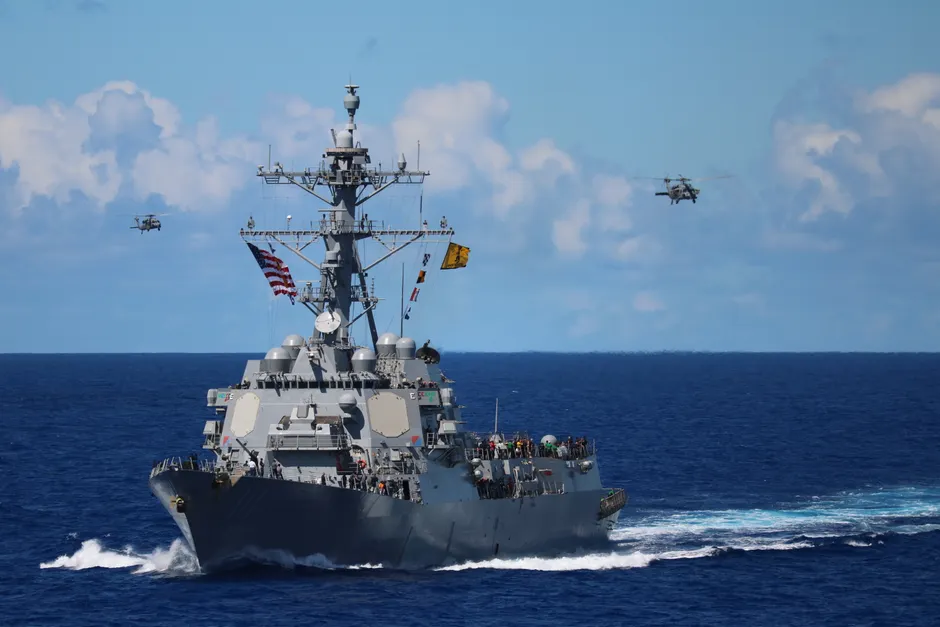
Hawkins said U.S. forces redirected more than 100 ships that were trying to violate the blockade. He said U.S. forces had finished clearing mines from the internationally recognised main shipping lanes several weeks before September 16. His wording was direct: "The strait is open. Those lanes are open. And that is why commercial vessels continue to flow through them."
The September 16 statement continues CENTCOM messaging that started in the spring. On May 4, CENTCOM Commander Adm. Brad Cooper said in a media call that a passage through the Strait of Hormuz was opened to allow the free flow of commerce. CENTCOM On June 20, CENTCOM published a release titled 'Commercial Vessels Flow Through Open Strait of Hormuz' that said safe passage remained intact as 55 merchant ships transited. CENTCOM
In July, the command paired strike updates with transit assurances. Its release on the 11th night of strikes against Iran said that despite Iranian aggression, the Strait of Hormuz remains open for commercial vessel transit. CENTCOM Its release on the 13th night of strikes on Iranian military targets said the waterway remains open for transit despite attacks from Iran's Islamic Revolutionary Guard Corps. CENTCOM On July 12, CENTCOM said in a post on X that the Strait of Hormuz is open to all vessels seeking to lawfully transit the international waterway. DW The command also said U.S. forces were positioned and prepared to ensure freedom of navigation in the strait, the principle that ships may pass through international waters. Reuters
Undated CENTCOM postings provide additional background. They include a page titled 'U.S. Forces Start Mine Clearance Mission in Strait of Hormuz' and a page titled 'U.S. Military Supports Launch of Project Freedom in Strait of Hormuz.' The postings state that U.S. forces operating in the Arabian Sea enforced blockade measures against an Iranian-flagged cargo vessel attempting to sail toward an Iranian port. The command's homepage stated U.S. forces continue to fully enforce the blockade and had redirected 91 commercial ships to ensure compliance, a figure Hawkins later updated to more than 100 on September 16.
The broader context here is the strain of keeping lanes open while stopping certain ships in the same chokepoint. Think of it like keeping a highway open while running inspection checkpoints on it. Facilitation needs predictable routes, mine clearance in the main lanes, and escort or monitoring capacity. Enforcement needs stopping, searching, turning ships away, and compliance checks. Doing both at scale puts heavy demands on ships, tracking, and rules for using force. The U.S. account frames those tasks as complementary.
Looking at what this means for planners and underwriters, three variables will carry weight. First, independent verification of transit volumes and lane status. Second, whether mine clearance in the main lanes holds if mining or attempted mining resumes. Third, how the blockade is applied, including criteria for turning ships away and what happens to redirected hulls. The September 16 figures address throughput and interdictions. They do not, on their own, resolve those questions. Expect further CENTCOM releases and commercial tracking to fill gaps.