Australia Weighs a Ban on Smart Glasses in Federal Workplaces
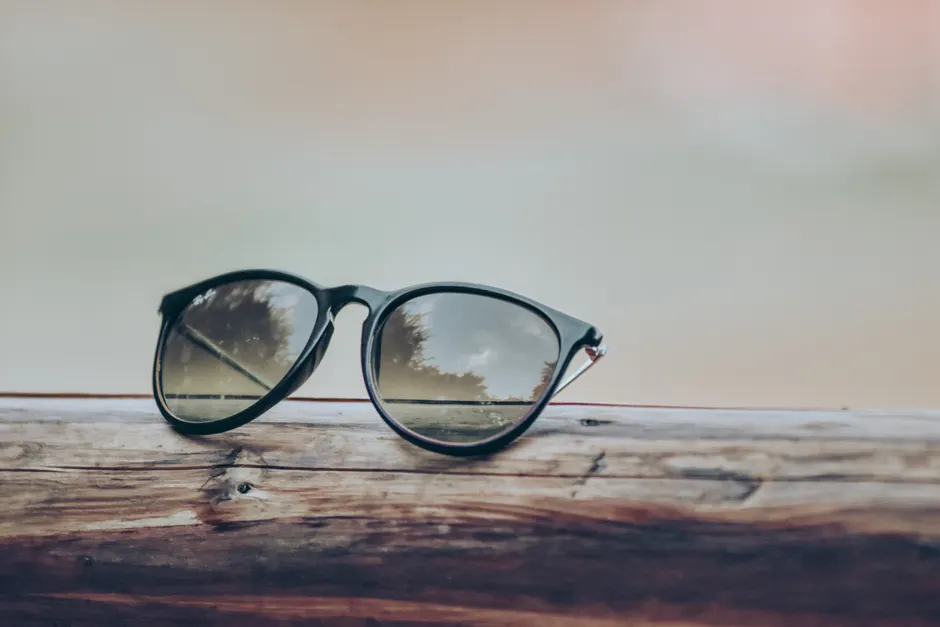
The Albanese government is considering a ban on smart glasses in Commonwealth offices and service centres. Public Service Minister Katy Gallagher has asked the Australian Public Service for advice on whether the devices should be kept out of the federal estate. The Guardian
Gallagher said the devices can raise privacy and security concerns because they can record and capture information. The request for advice is not a final decision. A ban would apply to federally run workplaces, including government offices, Centrelink service centres and CSIRO laboratories.
Schools and hospitals run by state governments would set their own rules. Canberra has avoided a broad ban on imports and has encouraged individual workplaces to set their own policies. The government said it aims to set a world-leading standard, noting that no national government has banned the devices across its agencies.
The move follows earlier steps in August and early September. On 7 August, Attorney-General Michelle Rowland wrote to Australia's privacy commissioner about potential concerns around smart glasses. On 30 August, Social Services Minister Tanya Plibersek said the government was reviewing imports of the devices. On 1 September, Rowland said any action should protect people without blocking innovation. On 17 September, the reported position was that the government was not pursuing a ban on the devices but had not ruled anything out.
In practical terms, the two options would work in different places. An import restriction would operate at the border and affect what consumers can buy. A Commonwealth workplace ban would operate like house rules for a building, enforced through entry conditions, workplace directions and security procedures.
Some local bans are already in place. Brisbane City Council banned smart glasses from pools in August 2026. Canterbury-Bankstown Council barred the devices from public pools in September 2026. The City of Sydney and Blacktown City councils have barred pool visitors from using the glasses to record. Melbourne's Yarra City Council has banned the devices from playgrounds, childcare centres and gyms. Courts in England and Wales have banned smart glasses.
A University of Sydney study found 60% of a sample of smart-glasses videos posted on Instagram could be classed as potential harassment. Commonwealth offices and service centres are places where clients often share personal, financial or health information and where staff handle sensitive records.
Meta plans to release a camera-free pair of smart glasses known inside the company as Luna in fall 2026, according to reporting on its plans. Reuters
The broader context here is what Canberra controls directly. It can set rules quickly for property it manages. It cannot set rules for state schools and hospitals. A Commonwealth ban would need clear definitions, exemptions and compliance methods before any wider system is considered. Officials would need to decide what counts as smart glasses if camera-free versions spread, how to treat visitors and staff differently, and how to handle service centres where a full ban could affect accessibility uses.
What to watch next are three steps. The first is the APS advice to Gallagher. The second is any guidance from the privacy commissioner after Rowland's letter. The third is whether individual Commonwealth bodies wait for central direction or publish their own entry conditions. Those steps will decide whether the world-leading standard idea becomes enforceable federal policy or stays a patchwork of local bans and workplace rules.