Poland Warns of Russian Hybrid Strikes Aimed at Ukraine's Allies
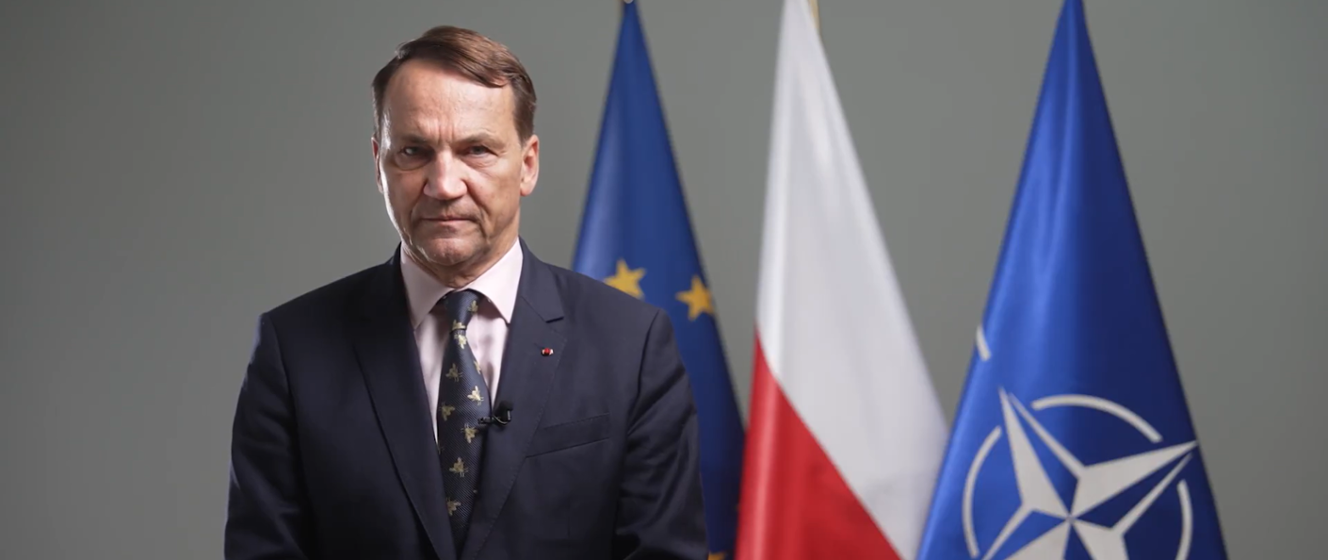
Polish Prime Minister Donald Tusk told parliament on September 17, 2026 that intelligence assessments show Russia is planning hybrid drone and missile strikes against countries that support Ukraine, including Poland.
Speaking to lawmakers, Tusk said the goal is to weaken NATO's ability to act together. NATO is the alliance built around collective defense, the principle that an attack on one member is treated as an attack on all. He said the strikes would be presented as accidental, to make members hesitate to invoke those joint-defense rules, according to Al Jazeera.
The warning named Poland directly. It described deniability, the ability to deny intent, as part of the method.
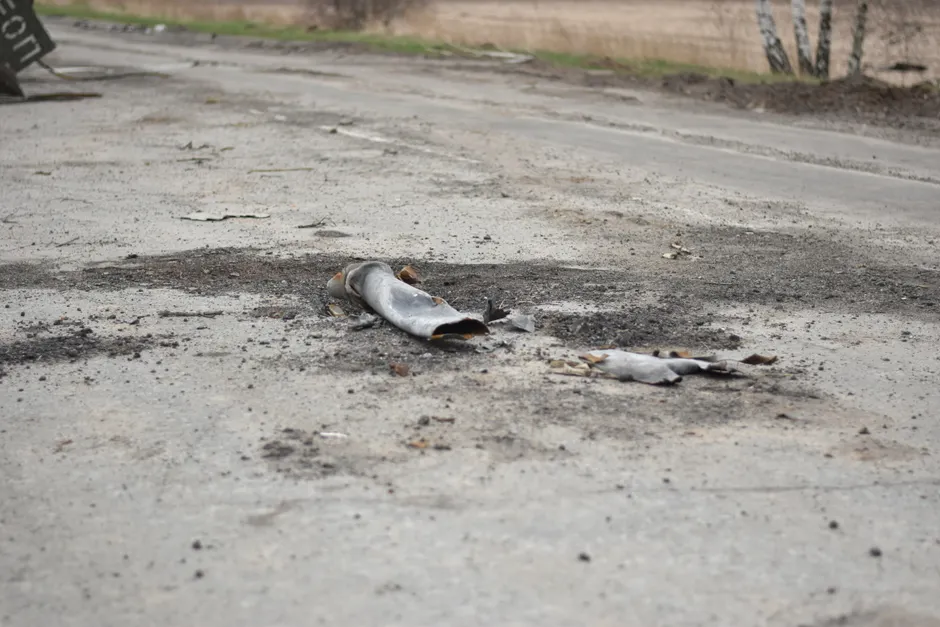
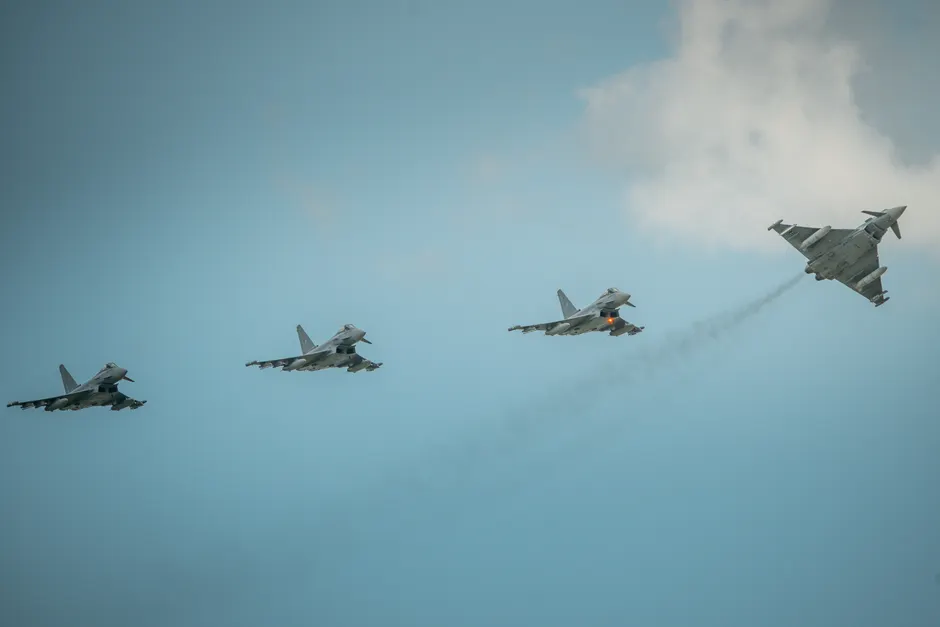
The address happened during an alert on Poland's eastern border. Poland scrambled military planes on September 17 after a Russian attack in western Ukraine near the border. Airports in Rzeszow and Lublin closed temporarily, and residents in two eastern regions of Poland received air-raid warnings.
Tusk said a petrol station near Dorohusk, very close to the Polish border, was most likely hit in the September 17 Russian strike. Defence Minister Wladyslaw Kosiniak-Kamysz said Poland increased F-16 and helicopter flights and is strengthening air defence and rapid-response systems.
Tusk said he will visit Ukrainian President Volodymyr Zelenskyy on September 18, 2026 to discuss the Integrated Anti-Ballistic Missile Coalition. That is a group of European countries working with Ukraine on an air-defence system, essentially a shield against incoming missiles, meant as a cheaper alternative to the U.S.-built Patriot system.
The alert follows earlier incidents and talks among allies. NATO pledged more support for Ukraine after Russian strikes, as reported on September 14. Tusk had warned earlier that Moscow looked ready to intensify attacks near Ukraine's western border, according to Al Jazeera. Zelenskyy said Ukraine is ready to stop strikes on Russian territory if allies secure a Russian pledge in return, according to AP. Poland, a member of both the European Union and NATO, has often sent up Polish and allied aircraft during Russian strikes on Ukraine to protect Polish airspace. In a previous large Russian air attack on Ukraine, Poland said 19 objects entered its airspace and it shot down those that posed a threat.
The broader context here is a test of collective deterrence short of open war. Western Ukraine has become the supply and air-defence hub for Western aid. Strikes near Rzeszow, Lublin and Dorohusk put pressure on that hub while leaving open questions about intent, flight path and responsibility.
In my view, Tusk is describing a problem of managing escalation, not only shooting down drones. Hybrid strikes that can be blamed on stray weapons, navigation errors or falling debris force leaders to make political choices with incomplete information. Each case needs fast damage assessment, consultation with allies and decisions on when to fire. Repeated cases shorten decision time and spread risk across NATO's eastern flank.
Looking at what this means for alliance planning, the Kyiv visit and the coalition point to two tracks. One is immediate readiness: fighter patrols, quick-reaction helicopters, layered sensors and temporary airspace closures. The other is longer-term structure: a European-Ukrainian interceptor network to reduce reliance on costly Patriot stocks. The variables to watch are who can authorize interceptions near borders, how Ukrainian and Polish radars share data, and what threshold would trigger collective action after an event Moscow calls accidental.