Spain Clears Ceuta Beaches, Moves 3,000 Migrants to Port Camp

Spanish National Police and Civil Guard began moving more than 3,000 migrants from Ceuta's Trampolín and Benítez beaches to a tented site near the port at about 07:00 local time (05:00 GMT) on Friday, September 18. The group had been living on the shoreline for weeks. BBC
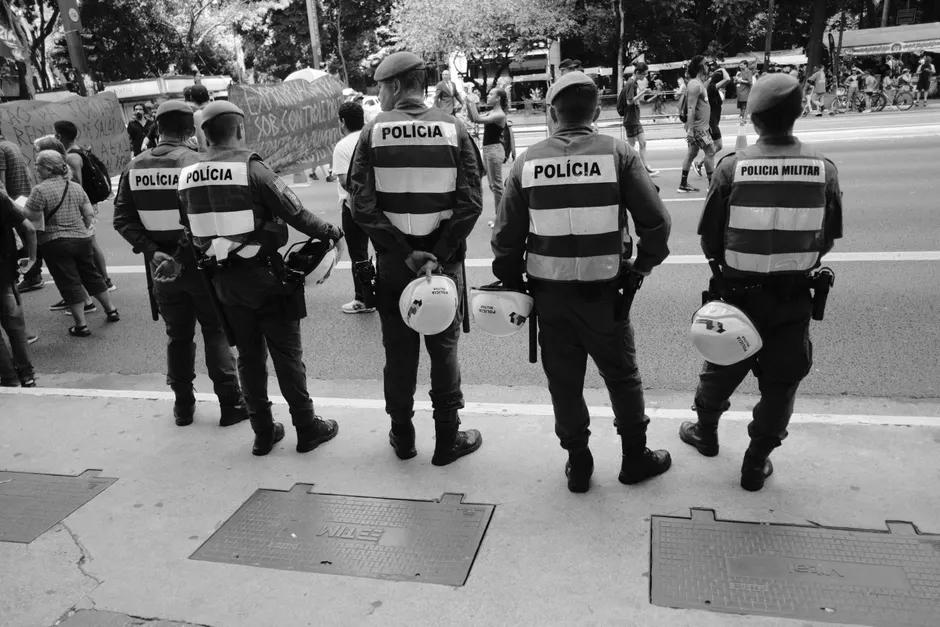
Officers directed people along a designated 2km route to the port. Spanish news agency Efe reported more than 170 officers deployed, including drone technicians. El País put the first deployment at about 150 officers. Some migrants broke through the police cordon, a blocking line of officers. A stampede followed at the start. Several people were injured. BBC El País
Shots were heard during the operation. Some reports said police fired into the air. Those accounts are contested. No official casualty total has been confirmed.
By mid-operation, several hundred migrants had reached the new camp. The site has capacity for 1,700 people. That covers only part of the group authorities planned to move that morning.
The scale dates to a large border crossing from Morocco into Ceuta in July. About 72,000 people crossed then, and more than 13,000 are believed to remain. Earlier local estimates after the rush put the remainder at 3,000 to 5,000. The latest figure supersedes those estimates.
This was not the first clearance in September. On September 13, police transferred more than 800 migrants who had been camping on the streets to reception facilities, including the Los Rosales center. Reuters Spain asked the European Union for help with processing in Ceuta in late August. Around the same period, tents used by migrants on Trampolín Beach were attacked and set on fire. Reuters
The broader context here is reception capacity under sudden pressure. Ceuta has fixed shelter space and limited processing throughput, like a bottleneck at airport security when too many flights land at once. The National Police and Civil Guard share duties for public order and border control. Moving beach camps to one port site brings identification checks, asylum screening for protection claims, and return procedures into one place. It also concentrates needs for water, sanitation and medical triage in one spot. The cordon breaks, shots in the air and injuries show the friction of moving thousands of unwilling people along an urban route.
Looking at what this means for Spanish and EU migration management, the sequence matters. Street clearance, beach clearance and outside processing help form a phased effort to reduce crowding. The gap between 1,700 beds and the larger remaining population points to more transfers, second sites or moves to the mainland. Coordination with Rabat on border control, readmission of people to Morocco, and prevention of repeat crossings will shape whether numbers stabilize. The variables to watch are processing speed, length of stay in temporary shelter, and any EU deployment of asylum and border staff to support Spanish authorities.