Ceuta Beach Clearance: Why Spain Is Moving Migrants After July Surge
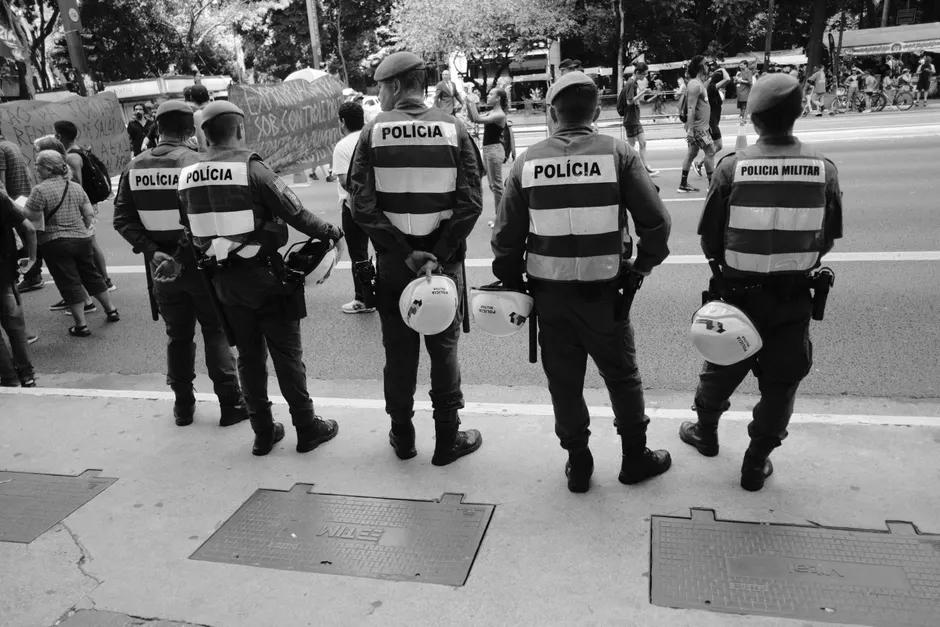
Spanish police began clearing migrants camped on the beaches of Ceuta on September 18, 2026. The operation started shortly before 7 a.m. local time (05:00 GMT), according to reporting from the enclave. Al Jazeera
Riot police fired rubber bullets into the air and struck people with batons during the clearance. Officers escorted migrants from Benitez Beach to a camp at the port of Ceuta. Reuters The effort moved hundreds of people from open-air beach settlements to a new tented site in the port area. BBC
The clearance followed the entry of more than 72,000 people into Ceuta from Morocco at the end of July 2026. Spain estimates 10,000 migrants remained in Ceuta as of September 18. Al Jazeera Spanish authorities built new temporary housing inside Ceuta's port to hold 1,700 people. Migrants had been waiting for relocation at the Benitez beach settlement on September 16. Reuters
On September 14, Spanish police had escorted over 800 migrants from makeshift street camps to the Los Rosales reception center in Ceuta. A reception center is a supervised facility where new arrivals are housed and registered while their cases are processed. Reuters
Ceuta covers 18.5 square kilometres (7.2 square miles) and has an official population of 80,000 residents. It has been in Spanish possession since 1580. Ceuta and Melilla are the two Spanish territories on the North African coast. Al Jazeera An enclave, in this context, means Spanish-administered land on the African mainland, bordered by Morocco and the sea.
The political response on September 18 extended beyond policing. EU Migration Commissioner Magnus Brunner said images of migrants crossing into Ceuta fuel support for far-right parties. Spain coach Luis de la Fuente announced his Nations League squad from Ceuta in a show of support for the enclave. Al Jazeera
As of August 21, thousands of migrants who had crossed from Morocco into Spain remained in Ceuta in limbo while Spain decided what to do with them. Limbo here means waiting without a decision on shelter, transfer, or return. Los Angeles Times
The broader context here is arithmetic in a confined space. The September 14 move to Los Rosales and the September 18 move to the port point to a phased effort to bring dispersed encampments into designated facilities. Capacity is tight. A 1,700-bed port site covers only a fraction of the estimated remaining population. Geography packs arrivals into a small urban perimeter with limited reception infrastructure, and it places border management directly under Spanish and EU jurisdiction on the African mainland.
In my view, for policymakers the next test is throughput and destination. Ten thousand people in an 18.5-square-kilometre enclave of 80,000 residents puts fast pressure on shelter, sanitation and policing, like a small town suddenly absorbing a large crowd. The gap between arrival and decision helps explain why beach encampments lasted into mid-September. Both public statements treat Ceuta as a national and European test, not only a local logistical problem. A port facility for 1,700 eases pressure at one site. It does not settle onward status, transfer to the mainland, or return. The moves show the state can relocate hundreds at a time. Sustaining that pace, finding enough reception space, and determining legal processing will shape whether clearances hold or camps form again. Brunner's comment signals a parallel concern in Brussels. Containment in Ceuta is also about political pressure within the Union.


