The Trump-Iran Deal: What the Interim Agreement Actually Requires

Donald Trump and Iranian President Masoud Pezeshkian signed a memorandum of understanding on June 18, 2026, ending a three-month war between the United States and Iran, according to Reuters. The agreement establishes a 60-day ceasefire, reopens the Strait of Hormuz, provides sanctions relief, requires Iran to dilute its uranium stockpile, and includes a $300 billion economic framework — all framed as a stepping stone toward a longer-term nuclear deal, CBS News reports.
What the MOU Contains
The immediate provisions are concrete: a bilateral ceasefire and reopening of the Strait of Hormuz, the shipping lane through which roughly 20 percent of the world's traded oil passes. Both had been contested since the conflict escalated in 2025. The Trump administration also agreed to release frozen Iranian assets as part of the package, Reuters reported.
On the nuclear front, AP News reports that Tehran must dilute its highly enriched uranium stockpile. This is a substantive constraint, not merely procedural language. Iran had enriched uranium to 60 percent purity, which sits dangerously close to the 90 percent needed for weapons. Requiring dilution, if properly verified and enforced, extends the time Iran would need to produce bomb-grade material — what nuclear experts call the "breakout timeline." This stands apart from framework agreements that lack such technical demands. The 60-day window to reach a comprehensive accord is ambitious: the Obama-era JCPOA negotiations took roughly two years.
The $300 billion economic framework, reported by CNBC, is the largest single economic incentive the United States has offered Iran in any negotiation to date. Details on how it flows — whether through asset releases, investment channels, or infrastructure projects — remain unclear in public statements. The figure's realization hinges on whether a permanent agreement actually emerges from the 60-day period.
How We Got Here
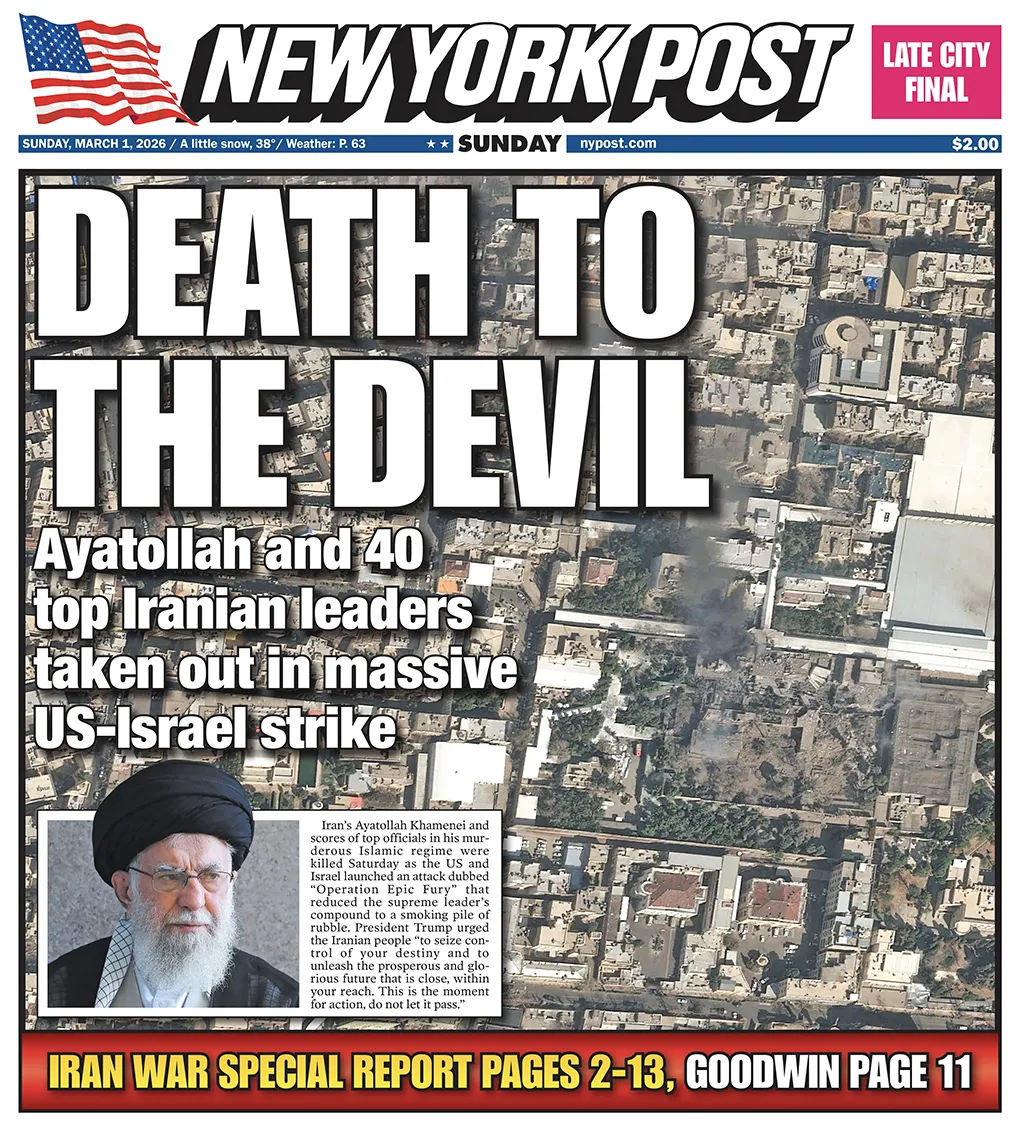
This MOU did not arrive without leverage. Trump had imposed a 60-day deadline for an agreement during the 2025–2026 negotiations, the State Department noted. Following military strikes under Operation Epic Fury in June 2025, both parties agreed to a ceasefire specifically to enable diplomacy—the channel that eventually produced this deal, according to the State Department's Legal Adviser.
Pressure mounted from multiple angles at once. The State Department announced sanctions targeting Iran's energy smuggling and illegal financial networks on June 5, followed by separate sanctions on June 2 against Iranian digital asset exchanges linked to financing terror groups. On June 10, a joint statement from the U.S. and partners in Europe, North America, and Australia condemned Iranian cyber and intelligence operations in their regions. Coercive diplomacy—incentives and penalties applied in parallel—ran alongside military options, a pattern the Trump administration has employed in other regional conflicts.
The U.S. also convened the fourth high-level trilateral meeting between Israeli and Lebanese representatives on June 2 and 3, 2026, the State Department announced, managing a separate diplomatic track even as the Iran negotiations neared completion.
Resistance at Home and Abroad
The response has not been uniform. Some Republicans criticized the agreement publicly as details emerged, Reuters reported, citing concerns about releasing frozen assets and the size of economic concessions. This echoes the bipartisan friction the Obama administration faced over the 2015 JCPOA, though Republican opposition then was sharper and more unified. Regional powers that stood against Iran—Saudi Arabia and Israel among them—must now assess how a sustainable accord would reshape their security calculus.
The reopening of the Strait of Hormuz carries immediate financial weight. Its closure during the conflict added a risk premium to oil prices globally. The MOU commits to reopening it, but that commitment means little without enforcement mechanisms and sustained Iranian compliance through the 60-day window.
The real threshold lies ahead. An MOU is a statement of intent, not a binding treaty. What it accomplishes is halting active fighting, restoring a vital global energy chokepoint, and binding both parties to a defined negotiating period. Whether a comprehensive nuclear accord emerges from those 60 days depends on political calculation in Tehran, Washington, and the regional capitals watching the outcome closely.