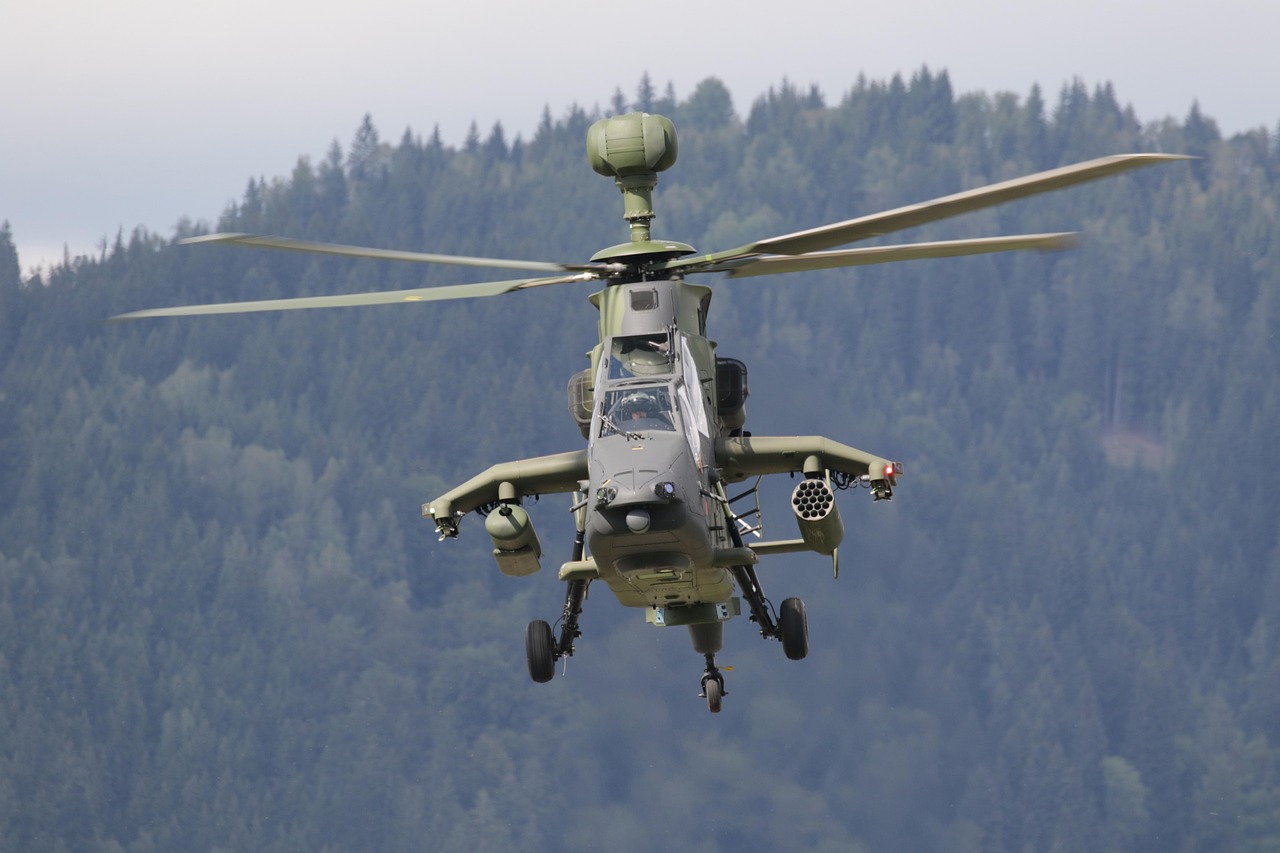
Israel Drops Apache Helicopter Deal as Arms Budget Falls Short

Israel's military has lost a planned purchase of 12 Boeing Apache attack helicopters because it could not cover the cost, Channel 12 reported.
The report, summarized on September 19, 2026, blamed a shortfall in the procurement budget, the fund used to buy new weapons. It did not point to a technical problem with the helicopters or how they are built. Al Jazeera
Channel 12 also reported that the army warned work to fix war-damaged tanks and armoured personnel carriers would stop unless a requested funding increase arrives soon. Armoured personnel carriers are armored vehicles that carry soldiers. Some ammunition production lines would face the same cutoff on the same condition. The warning was conditional. No stoppage was described as already complete.
A separate estimate put the money needed to refill weapons stockpiles at 40 billion shekels, or $13.1 billion. Middle East Monitor
Maariv newspaper reported that the military is preparing to suspend soldiers' leave amid "severe" shortages. The same reporting said the army does not have enough tanks and armoured personnel carriers after three years of war wore down vehicles and left hundreds damaged.
About 53,000 reservists are serving daily as long operations wear down troops, reservists and equipment. Yeni Safak
Prime Minister Benjamin Netanyahu failed during a routine meeting to persuade opposition leader Yair Lapid to cooperate on increasing the military procurement budget, a day before Channel 12's report on the Apache purchase. Cooperation in this case means support in parliament for a budget increase.
The broader context here is a budget ceiling forcing tradeoffs between air power, armor, bullets and people. Attack helicopters provide close air support and escort for ground forces, repaired tanks restore the ability to move and fight, and ammunition lines decide how long forces can keep shooting. Each item competes for the same increase, like different departments asking from one household budget. Long use without full upkeep has thinned the fleet, which puts more strain on remaining crews, and large daily reserve call-ups add fuel, parts and munitions costs.
Looking at what this means for the next steps, the reported warnings spell out consequences rather than final decisions. If funding arrives, the army can keep repairs going and protect production. If it does not, the reports point to selective cutbacks, from buying to leave policy. The outcome will show how Israel pays for three years of wear and heavy reserve use.