Anamanaguchi Returns With 'Yeah I Guess' After Recording Anyway as a Live Band
Anamanaguchi has released a single titled "Yeah I Guess." The four-member lineup is Peter Berkman, James DeVito, Luke Silas and Ary Warnaar, speaking in an interview published Sept. 19, 2026. The Verge
The single follows Anyway, released in 2025. The band recorded Anyway in person at the American Football house. Coverage on Sept. 10 had described the band's return with a fourth album. Flood
Anamanaguchi is known for chiptune music, music programmed for the sound chips in video game consoles. The project began on online forums, where the members programmed music on video game consoles and released free EPs through netlabels, online labels that offered downloads for free. Anamanaguchi
The later catalog includes [USA] in 2019. It later headlined festivals in Minecraft and collaborated with Hatsune Miku and with Rocket League.
Anyway sounds different from that early console work. The band describes the album as drawing from emo, punk and indie rock. It is also preparing ANYWAY FOR REAL, a version of the album Anyway.
The interview centers on process more than genre. The recording was done together, in one place. The group started by exchanging files and console code online. In the room, the members said, decisions happened faster and arrangements could be tested on the spot.
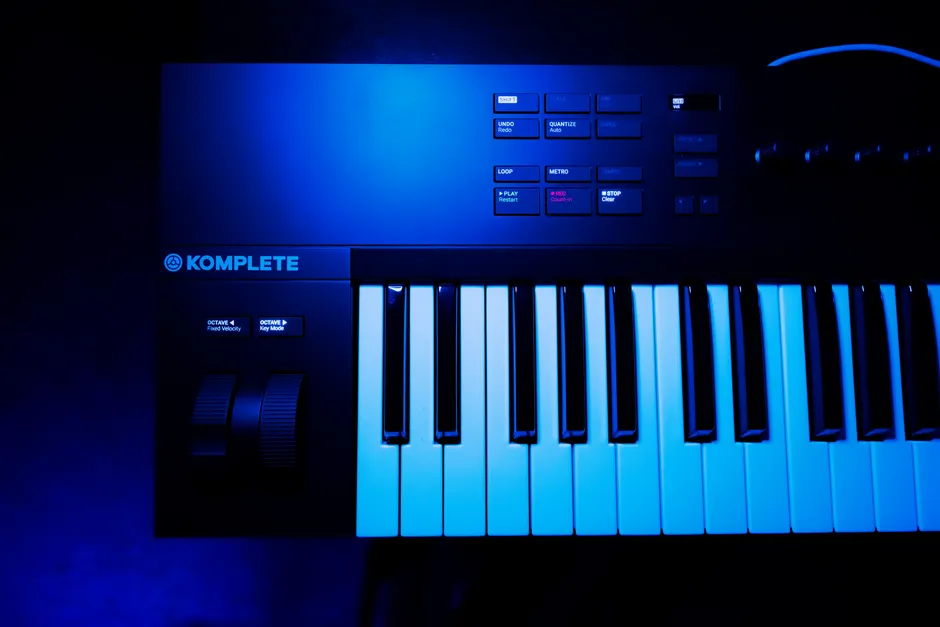
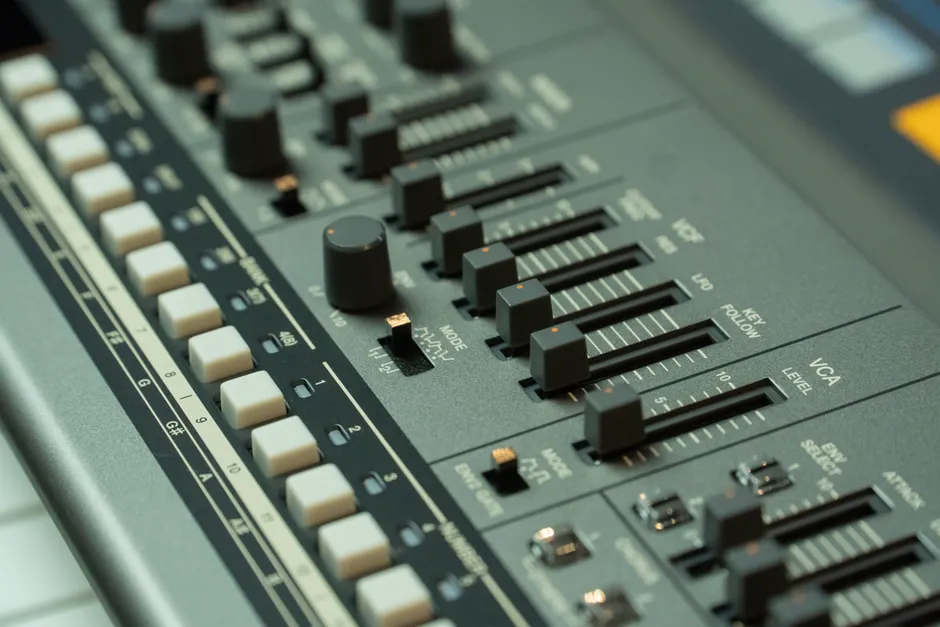
The tool details are specific. Silas named Ableton Live Operator as his most used tool. Operator is the built-in synthesizer in Ableton Live, a DAW, or digital audio workstation, for recording and sound design. Warnaar said built-in laptop and cellphone mics are underappreciated for getting ideas down fast. DeVito cited Amphetamine, the macOS utility that keeps a computer from going to sleep for a set amount of time.
Those tools divide the work. Operator handles synthesis and sound design inside the DAW. Phone and laptop mics handle capture when an idea appears, with no interface, no mic locker, no setup delay. Amphetamine handles long renders, transfers and unattended sessions.
The broader context here is how little separation remains between limited systems and general-purpose ones. Chiptune began with hard limits. Fixed channels, fixed waveforms, cycle-accurate timing. Operator and modern DAWs remove those limits, while phone mics and always-on laptops remove friction around input. The limit is now a choice. Artists use chip textures, punk structures or indie-rock tracking methods because they want those results, not because hardware forces them.
In my view, that makes Anamanaguchi a useful case for tech-literate listeners to watch. The band came up when forums and netlabels were distribution infrastructure and game consoles were instruments. It now works across Minecraft stages, vocaloid collaboration, game licensing, guitar-band recording spaces and iterative album versions. The tools got cheaper and more portable. The output got broader. What persists is fast capture and tight control over tone, whether that tone comes from a console or from Operator.
Worth flagging, ANYWAY FOR REAL will test that approach further. A reworked version of a full album is versioning applied to music. It treats the release as a branch, not a fixed artifact.