Police Investigate Suspicious Fire That Destroyed Caravans in Glastonbury
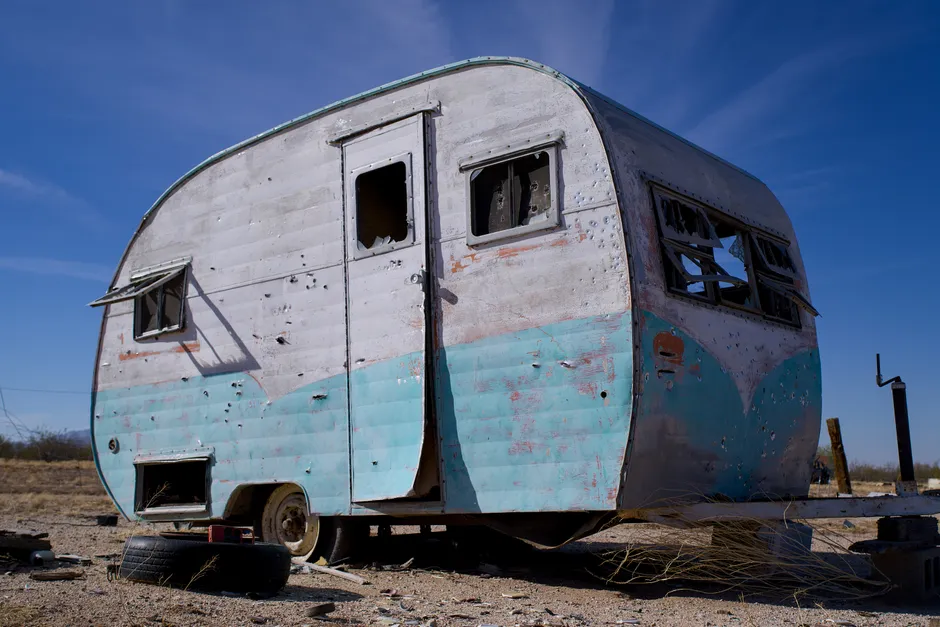
Avon and Somerset Police have made arrests following a fire that destroyed caravans and damaged a nearby building in Glastonbury on 13 June 2026. Police are treating the incident as suspicious, which in UK law enforcement typically means investigators suspect arson — the deliberate setting of a fire.
The blaze, reported by BBC News on 16 June, injured no one. But it burned intensely enough to force the closure of a nearby Tesco supermarket, according to Somerset Live. That closure signals both the fire's size and the safety perimeter police established around the scene.
Fires involving caravans present particular challenges for firefighters and investigators. Caravans contain materials that burn fast and hot, and most carry LPG (liquefied petroleum gas) cylinders for heating and cooking. These cylinders can rupture and fragment violently as they heat, which can make fires spread rapidly and pose serious safety risks. That no one was injured in these circumstances is fortunate.
Police responded quickly with arrests, as Avon and Somerset Police flagged in their statements. This swift action typically follows witness statements, security camera footage, or physical evidence found at the seat of the fire — the spot where the blaze began.
So far, the police have not publicly confirmed who was arrested, how many people are in custody, what charges they face, or who owned the caravans and building. Glastonbury is a small market town in Somerset with around 9,000 residents. A significant fire near a commercial area in such a town draws swift community attention, and the Tesco closure will have amplified that.
What we know at this stage is limited but substantial: a fire large enough to close a supermarket and trigger an arson investigation, put out without casualties, and now under active police investigation. As the case develops, investigators' evidence for treating this as suspicious — and the details of who was arrested and why — will be what matters most to understanding what happened.


