The Ceasefire That Wasn't: Why Israeli Strikes Unraveled a Lebanon Deal in Hours
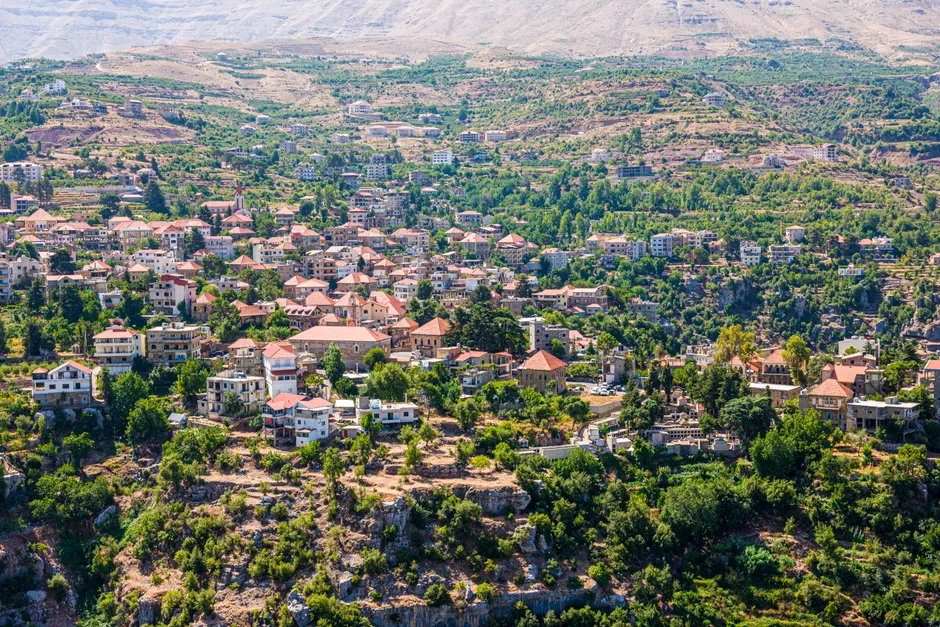
Israeli forces struck southern Lebanon on June 19, 2026, killing at least 16 people in the Nabatieh district and elsewhere — the same day a ceasefire with the Lebanese government was supposed to take effect at 4 p.m. local time, Reuters reported.
The ceasefire had been negotiated under American pressure and announced by a senior U.S. official. It was part of a broader diplomatic push that included a U.S.-Iran deal announced in mid-June 2026 aimed at de-escalating the wider conflict. Iran's foreign minister stated that any agreement under this framework would require Israel to withdraw from Lebanese territory — a condition Israel has not publicly accepted. Hezbollah, the armed group that controls much of southern Lebanon, rejected the ceasefire agreement outright, insisting on complete Israeli withdrawal as the only acceptable terms.
That distinction matters profoundly. The ceasefire was between Israel and the Lebanese state, not between Israel and Hezbollah directly. Because Hezbollah — the dominant military force in the region — was not a party to the agreement, it had no formal obligation to honor it. This gap created the kind of ambiguity that often turns post-ceasefire periods deadly. Israel's Ministry of Foreign Affairs stated it would not tolerate fire from Lebanese territory. Prime Minister Netanyahu and Defense Minister Katz had previously authorized an Israeli Defense Force strike on a Hezbollah command-and-control site in Dahieh, a Beirut neighborhood where the group's leadership is concentrated, signaling that Israel's willingness to strike remained active regardless of diplomatic progress.
The Structural Problem in the Ceasefire Design
The sequence reveals a fundamental mismatch in the agreement's architecture. A U.S.-Iran deal struck around June 15 eased broader regional tensions and created the diplomatic conditions for Israel and Lebanon to reach their ceasefire by June 19. But the framework has a critical flaw: Hezbollah is the primary armed actor in southern Lebanon, yet it was not a signatory to an agreement it is now expected to follow. When Lebanon's government signs an accord with Israel, that does not automatically give it command over Hezbollah's military operations.
This pattern is familiar in Lebanese politics. The state and resistance movements operate along separate tracks, with Beirut formally endorsing international agreements that groups like Hezbollah contest in real time. What has shifted is the regional calculus: a U.S.-Iran deal alters Hezbollah's relationship with its patron, Iran. If Tehran is willing to negotiate with Washington — even tentatively — it narrows the political and financial room for Hezbollah's hardliners to operate. Whether Iran's diplomatic move translates into actual military restraint by the group is an open question the coming days will test.
Who broke the ceasefire first will be contested. Israel's position, stated by the Ministry of Foreign Affairs, is that any hostile fire from Lebanon justifies an immediate response. If Hezbollah or aligned groups fired rockets or anti-tank weapons before or after 4 p.m. on June 19, a scenario not ruled out in available reports, Israel will characterize its strikes as defensive and retaliatory. As of June 20, the precise sequence of events on the ground in southern Lebanon had not been independently verified.
What's at Stake Now
The civilian death toll will intensify pressure on all sides. For the United States, which brokered both the Iran deal and helped announce the ceasefire, Israeli strikes hours after the agreed start time are a diplomatic problem. Washington must decide whether Israel's actions breach understandings with American officials or fall within acceptable bounds Israel had previously outlined. Iran faces a different pressure: it must show that its accommodation with the U.S. has translated into actual military restraint by Hezbollah — something Tehran has limited ability to enforce given Hezbollah's operational independence.
The question of whether Netanyahu and Katz's authorized Dahieh strike occurred before or after the 4 p.m. ceasefire window is not merely technical. It carries serious diplomatic weight. Either way, the gap between what diplomats announced and what is happening on the ground in southern Lebanon remains wide.