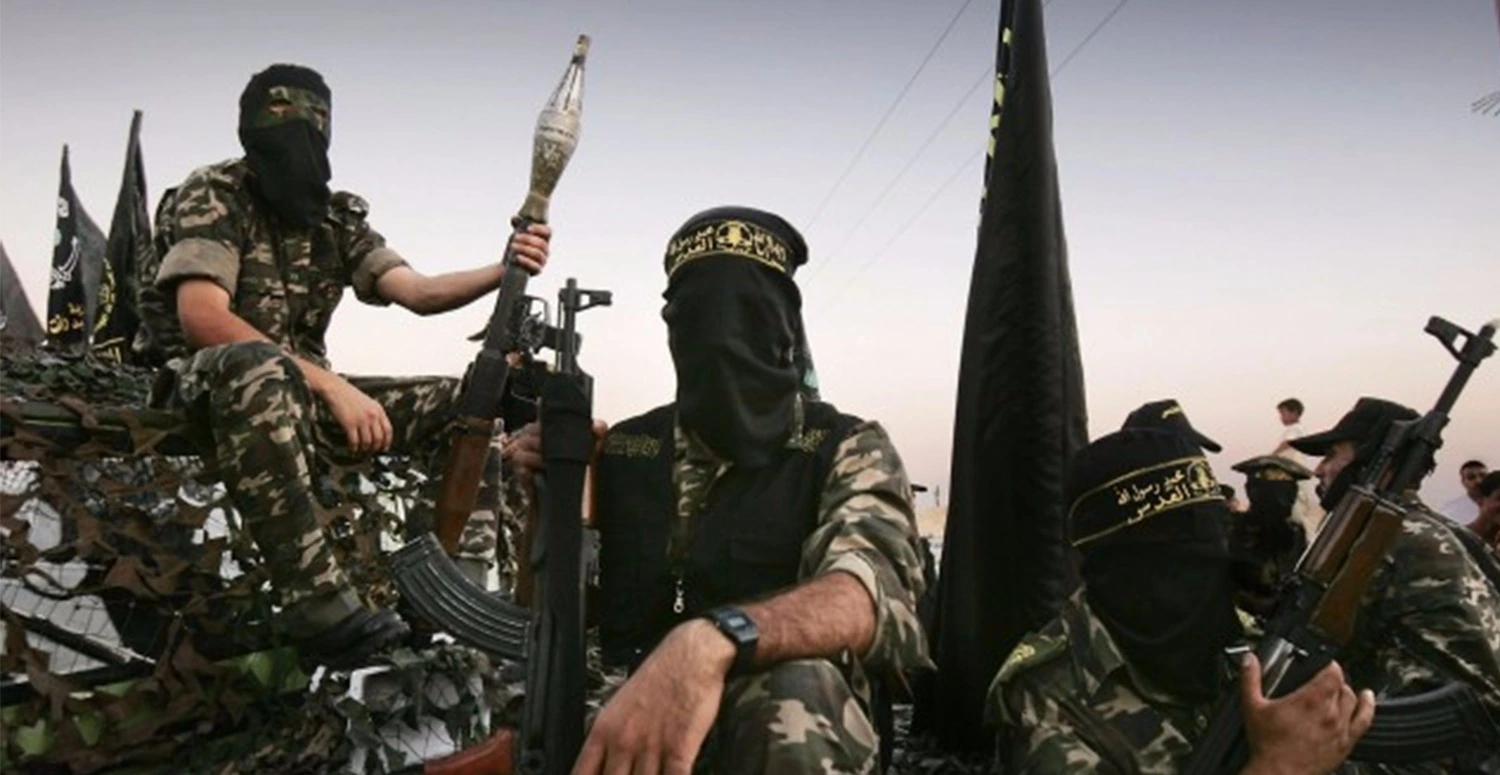
Israel Intensifies Strikes on Lebanon While Diplomacy Continues: The Hezbollah Question

Israeli airstrikes and artillery killed at least 15 people across southern Lebanon on June 19, 2026, hitting Tyre, the country's fourth-largest city, along with multiple surrounding towns, according to Reuters. The same wave of operations included drone strikes that killed civilians and families in the region. The Israeli military also announced strikes on Beirut, which it said targeted Hezbollah infrastructure.
Prime Minister Netanyahu framed the operations around a distinction that Israeli officials have repeated consistently: Israel is conducting a counterterrorism campaign against Hezbollah, an armed non-state actor, not a war against Lebanon as a country. He cited the destruction of missile stockpiles and hundreds of launchers as tactical goals, and pointed to a reported arsenal of 150,000 missiles across Lebanese territory as the threat that justifies the campaign's scale.
MK Illouz, who chairs the Knesset Delegation to the Inter-Parliamentary Union, reinforced this language in international forums, arguing that Israeli targeting doctrine focuses on terrorist infrastructure and military assets. That claim sits in tension with the mounting civilian casualties in southern Lebanese towns—a discrepancy that Lebanese officials and international observers have raised repeatedly.
The Legal and Diplomatic Purpose Behind the State-Hezbollah Split
Israel's consistent effort to separate Hezbollah from the Lebanese state is not just a talking point. It carries real legal and diplomatic weight. By treating the conflict as a counterterrorism operation against a designated militant group rather than a war between two nations, Israel works to keep diplomatic channels open with Lebanon, limit international criticism, and avoid the legal obligations that come with recognized inter-state conflict under international humanitarian law.
This framing has some support from Washington. The United States acknowledged that Hezbollah's attacks on Israel have occurred without approval from the Lebanese government—a careful distinction that keeps Beirut at legal distance from Hezbollah's military actions while stopping short of endorsing Israel's operational scale or civilian casualty figures.
Meanwhile, Israel and Lebanon have reaffirmed through diplomatic back-channels that they hold no hostile intent toward one another and remain committed to direct negotiations. The persistence of active diplomatic talks while Israeli strikes kill Lebanese civilians in Lebanese cities creates a central contradiction in this phase of the conflict. This is not new—it has characterized the Lebanon-Israel relationship through multiple rounds of escalation since 2006. Yet with strikes now reaching Tyre, the geographic scope has expanded in a way that tests the limits of that paradox.
The question now is whether this simultaneous escalation and diplomacy reflects a deliberate pressure strategy—using military force while preserving negotiating channels—or a fragile balance that either side could choose to break.
Parsing the Numbers: What 150,000 Missiles Actually Tells Us
Netanyahu's claim of 150,000 missiles in Hezbollah's arsenal warrants close examination. Estimates of Hezbollah's rocket and missile inventory have varied considerably across intelligence assessments and open-source analysis over the past decade, depending on what categories of weapons are counted and which methodologies are used. If the 150,000 figure includes precision-guided munitions alongside unguided rockets, it describes a very different threat than older, less accurate stockpiles. Israeli operations that target launcher infrastructure—rather than warheads alone—suggest the priority is degrading the systems that deliver missiles, a logic consistent with trying to eliminate precision-strike capability before any wider escalation.
Claims that hundreds of launchers have been destroyed cannot be verified from publicly available information. Hezbollah's own damage assessments lean toward minimizing losses, and independent observers have limited access to strike sites in southern Lebanon.
The broader pattern that specialists tracking Israel-Lebanon relations since 2006 have observed is this: each escalation cycle tests both sides' willingness to continue, and strains the U.S.-brokered diplomatic framework that has held these confrontations below the threshold of all-out war. The current round is unusual because kinetic escalation and active diplomacy are happening at the same time. This simultaneity could mean Israel is using military pressure as a negotiating tool, or it could mean both sides are maintaining a formula that is slowly coming apart. Neither interpretation can be confirmed without clearer signals about what each side actually wants from the other.