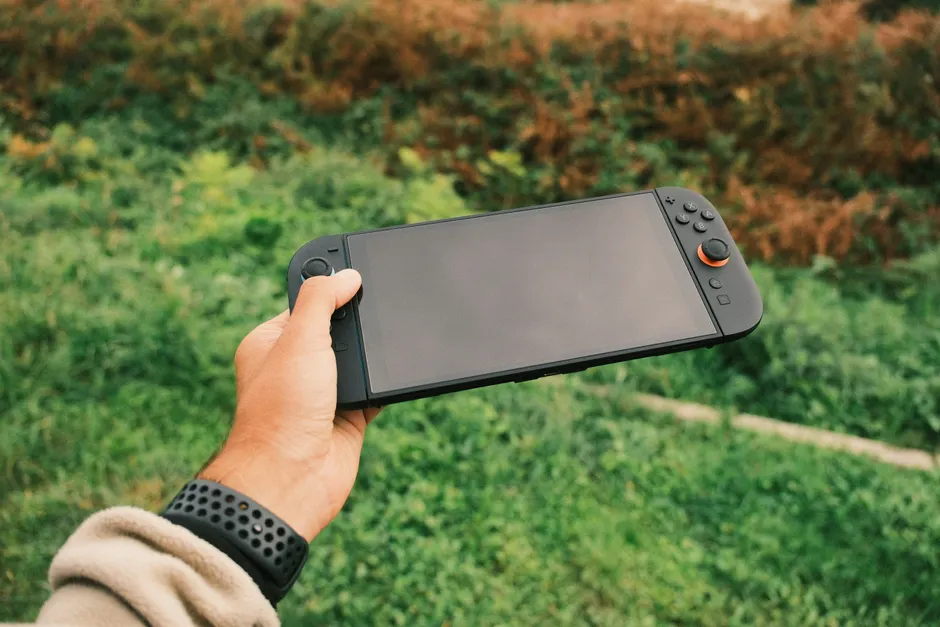
Retroid Duo Lite Plus Mixes Slim Body With Faster Chip

Retroid Pocket has opened preorders for the Duo Lite Plus at $219, or $199 with early-bird pricing, with shipments expected to start in mid-November. Engadget It is the third entry in the Pocket Duo series.
The pitch is a mix. The Duo Lite Plus uses the slimmer dimensions of the Duo Lite with the Qualcomm Dragonwing Q-7790 chip from the standard Duo. That chip, or SoC, combines processor and graphics in one part. The result is not a straight refresh or price cut. It is a separate SKU that pairs a small chassis with the faster silicon.
Retroid lists 8GB of RAM for running apps, 128GB of storage for games and files, Android 16, a 5.5-inch TFT primary screen at 1080p and 60Hz, a 6000mAh battery, and active cooling with a small fan to shed heat. Retroid TFT is a liquid-crystal display type that tends to cost less than OLED, with less deep blacks.
The display is where the models differ on paper. The full Duo uses a 5.5-inch OLED top display with 120Hz refresh and 16:9 aspect ratio, detailed earlier in September. Notebookcheck Refresh rate is how often the image updates each second, so 120Hz looks smoother in motion than 60Hz. The Duo Lite was positioned under $200 in two configurations, including a 4GB plus 64GB version. Notebookcheck Retroid's store lists the Duo Lite from $149.00 and the standard Duo at $269.00, which puts the Duo Lite Plus at $199 to $219 between them. Preorders for the Duo and Duo Lite had been set to open September 11 at 9:30 PM EST. Notebookcheck
Retroid said it would pause Duo Lite shipments for a few days so customers can compare the devices. Duo Lite customers can keep their original order or exchange it for a Duo Lite Plus, with shipping and exchange costs covered by the company. Engadget Early orders in enthusiast hardware often ship before independent reviews appear.
In my view, the notable decision is to separate thinness from lower performance. Makers usually match a slimmer body with a lower-power chip to simplify heat, battery life, and messaging. Retroid is testing demand for the reverse, a portable form with the higher-grade chip, even if a fan is needed to hold speeds in a smaller case. Worth flagging is the screen and memory trade. A 60Hz TFT versus a 120Hz OLED affects motion clarity, black level, and power use at high brightness, plus how emulation and Android games feel. The 8GB plus 128GB tier shapes room for background apps and installed games without relying on extra storage or streaming.
The broader context here is product speed. Retroid lists the Pocket Classic at $99.00, Pocket 4/4Pro from $139.00, Flip 2 from $149.00, Pocket 5 at $179.00, Nova from $239.00, Pocket 6 from $244.00, and the Duo at $269.00, plus a $69.00 Dual Screen Add-on. Adding a third Duo weeks after the first two can create choice friction. The pause and paid exchange read as an effort to contain that friction before it becomes returns and support tickets.
Looking ahead to shipments, if the mid-November target holds the Duo Lite Plus should arrive in time for holiday testing and direct comparison in real use, not spec sheets. That comparison should show which limit matters more daily, pocketability or panel quality and sustained speed, and gives Retroid quick feedback for the next design.