Two Trains Collide Near Bedford: What We Know and What Remains to Be Investigated

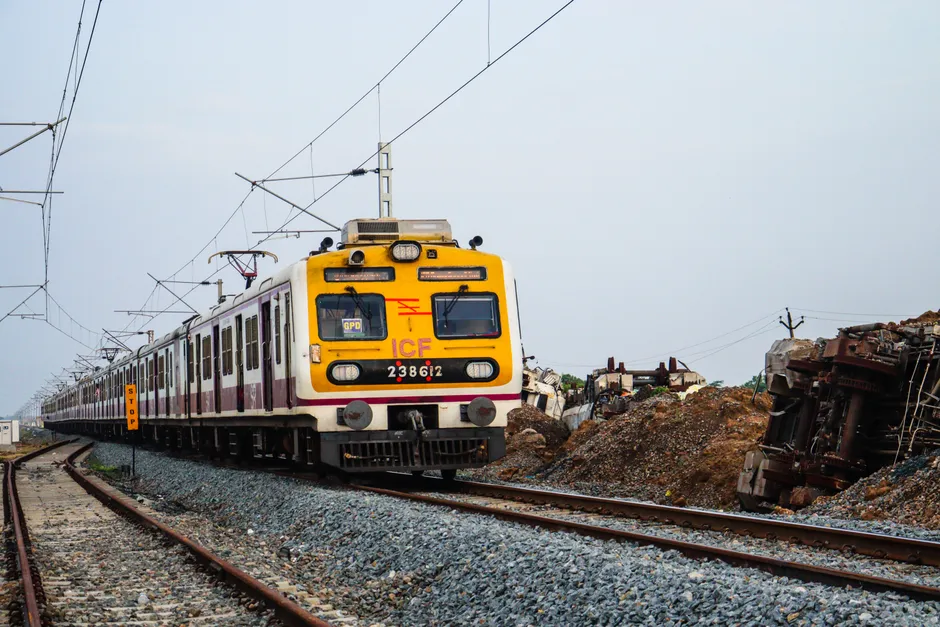
One person was killed and nine left in critical condition after two East Midlands Railway passenger trains collided south of Elstow, near Bedford, on June 19, 2026, shortly after 17:00 BST. Approximately 89 people were injured in total, according to CBS News.
The East of England Ambulance Service, reporting as of June 20, provided a fuller breakdown: 11 people sustained "very serious" injuries, 32 suffered serious injuries, and nine remained in critical condition, per Al Jazeera. These figures represent the status as of the morning after the collision; the casualty picture continues to evolve.
The two trains involved were the 16:40 service from Corby and the 15:50 service from Nottingham, both operated by East Midlands Railway. They collided at a point south of Elstow according to the BBC and Wikipedia's incident entry. The location lies on the Midland Main Line south of Bedford station—a heavily used commuter and intercity route linking the East Midlands to London St Pancras.
British Transport Police responded immediately. Train services between Bedford and Luton were cancelled in the aftermath, ITV News reported. Because the corridor also carries Thameslink services, the disruption extended beyond East Midlands Railway's network.
The Rail Accident Investigation Branch (RAIB)—the independent statutory body that investigates rail accidents in Great Britain—will lead the formal inquiry. RAIB typically deploys inspectors to the scene within hours and publishes an interim report with preliminary findings before a full investigation concludes. Until that process unfolds, the sequence of events that allowed two trains to occupy the same section of track remains unknown.
The infrastructure context matters here. The Midland Main Line has faced years of discussion around upgrades, including electrification plans repeatedly postponed. The line currently operates under the Train Protection and Warning System (TPWS), which adds a layer of protection to the older Automatic Warning System (AWS) but does not match the automatic train protection standard offered by the European Train Control System (ETCS). Whether these infrastructure factors played a role is a question for investigators. But the gap between current TPWS protection and the higher standard of ETCS coverage is a recognized issue within British rail safety circles, and it will likely surface during the formal inquiry.
Eighty-nine casualties from a single rush-hour collision, with nine in critical condition the following morning, places this among the more serious British rail incidents in recent years. The immediate focus is on the investigation and on the condition of those hospitalized.