Bedford Train Collision: What Went Wrong and Why It Matters
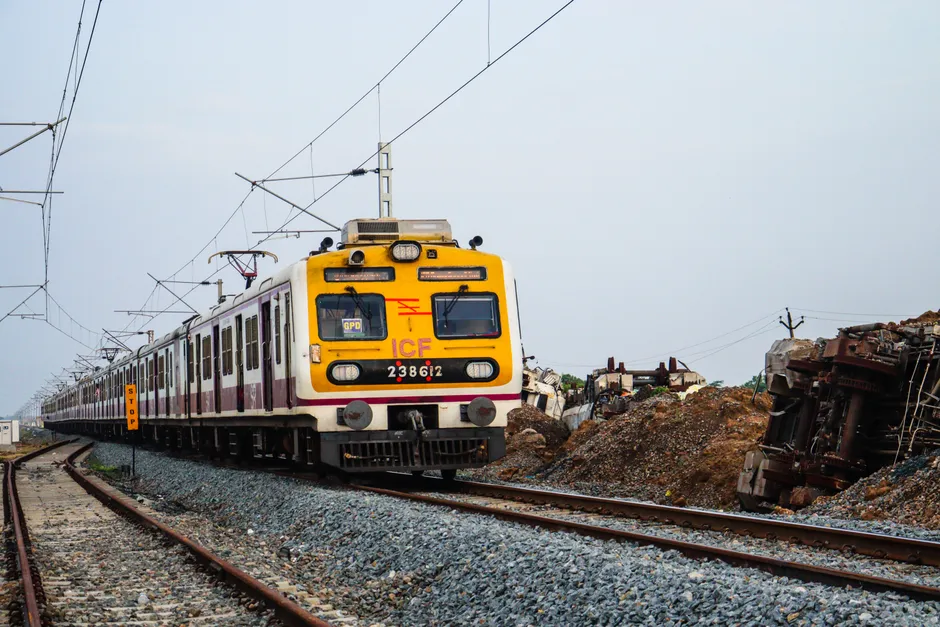
Two passenger trains collided near Bedford, north of London, on 19 June 2026, killing one person and injuring approximately 89 others, according to CBS News and Reuters. British Transport Police confirmed the fatality at the scene.
The collision occurred on the Midland Main Line, one of Britain's busiest rail corridors. This line connects London St Pancras to the East Midlands and South Yorkshire, carrying both long-distance services run by East Midlands Railway and regional Thameslink commuter trains. The route handles dense traffic throughout the day, which means a collision there disrupts thousands of passengers and can cascade through the wider rail network.
The injury toll of 89 is substantial for a two-train impact on a mainline, though early reporting had not broken down how many passengers required hospital admission versus treatment at the scene. A single fatality in a collision affecting this many people suggests the impact energy may have been reduced by automatic braking systems or relatively low speed at contact—though this remains preliminary until the investigation concludes.
Britain's Rail Accident Investigation Branch (RAIB) is the statutory body responsible for examining what happened. It will examine the sequence of events, how the signalling and traffic control systems functioned, whether on-board train protection systems worked as designed, and any infrastructure failures. The UK uses the Train Protection and Warning System (TPWS) as its primary safety layer; the more advanced European Train Control System (ETCS) is being progressively rolled out across the network. The Bedford corridor is among sections earmarked for ETCS upgrade. Whether these systems activated, failed, or were deliberately overridden will be central to the inquiry.
Two-train collisions with casualties on British mainlines have become uncommon since major safety reforms followed the Ladbroke Grove and Potters Bar accidents in the early 2000s. That safety record means this collision stands out as a serious event—not routine—and will draw scrutiny from the Office of Rail and Road (ORR) as well as Parliament.
The precise cause and exact location on the Bedford corridor have not yet been confirmed. British Transport Police and the RAIB will release further details as their investigations progress.