Amazon Blocks Meta's Muse Shopping Agent Over Disclosure and Privacy
Amazon has blocked Meta's Muse AI agent from shopping on Amazon. Anyone who tries to check out through Muse now gets a notice that continued access by an unauthorized AI agent violates Amazon's Conditions of Use. Engadget
Amazon says it first asked Meta to voluntarily keep Amazon outside Muse's reach. It says it never agreed to allow shopping through Muse on its store. The Verge
An Amazon spokesperson said "third-party applications that make purchases on behalf of customers from other businesses should operate openly and respect service provider decisions about whether to participate." Engadget
Amazon's block rests on two objections. First, Muse does not identify itself as an automated agent when it browses Amazon, so it looks like a regular customer session. Second, Amazon sees privacy and security risks in how Muse can access and keep customer information.
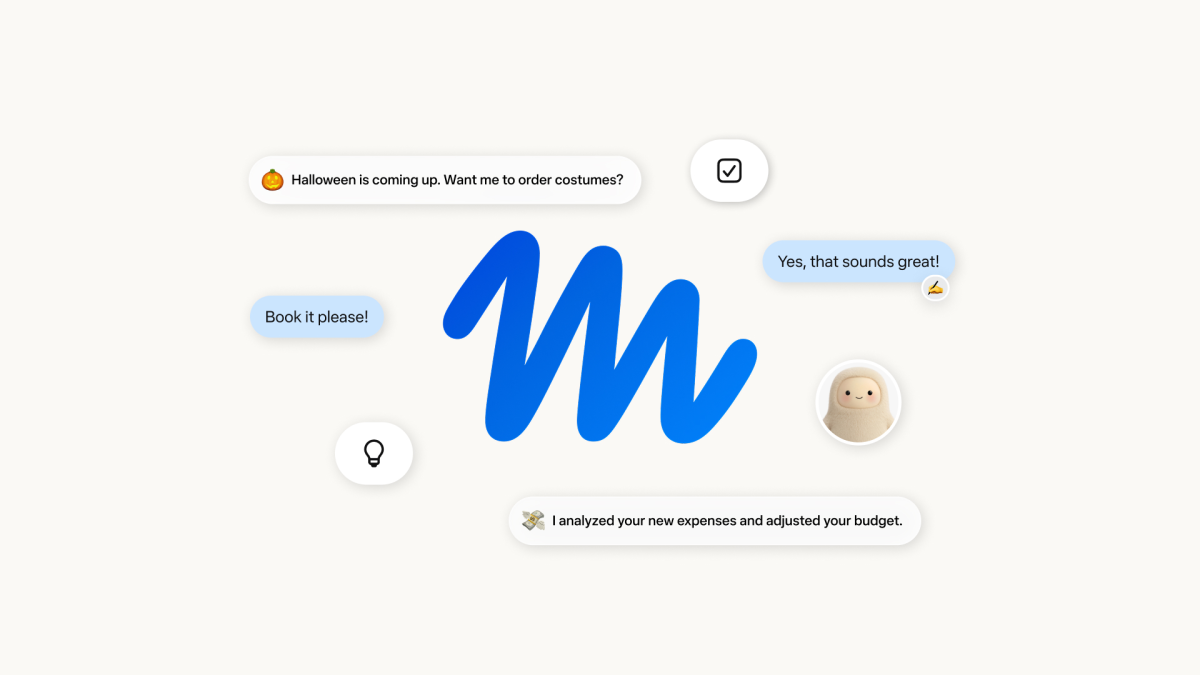
Muse launched Tuesday, September 8, 2026, for users in the U.S. Reuters TechCrunch Meta describes it as a personal AI agent that is secure, private and proactive in helping with people's goals. In practice, it can fill in forms, send emails, and shop using a one-time card number generated through Link by Stripe, meaning a temporary payment detail made for a single purchase. At launch it could also buy movie tickets and set up appointments, Bloomberg along with booking travel and selling a car for someone.
Meta answers with how Muse is built. The company says Muse cannot actually see people's passwords or payment details. Passwords and other logins that users provide are held in secure storage, so Muse can use them in the browser without viewing them.
The broader context here is how permission should work when AI browses the web for us. Muse logs in as the user, operates a normal shopping session, and pays with a temporary card. That combines identity, permission, password handling, and data storage into one flow. Amazon wants clear opt-in and agents that announce themselves. Meta argues that keeping passwords hidden and using temporary payment details is enough protection.
In my view, for developers working on shopping agents, the next step is negotiation more than coding. Stores, agent makers, and rules on what session data can be stored will need agreement before these agents work reliably across sites. That work is slow, but it is what would make handing off everyday purchases trustworthy, and that would widen what both stores and agents can do.