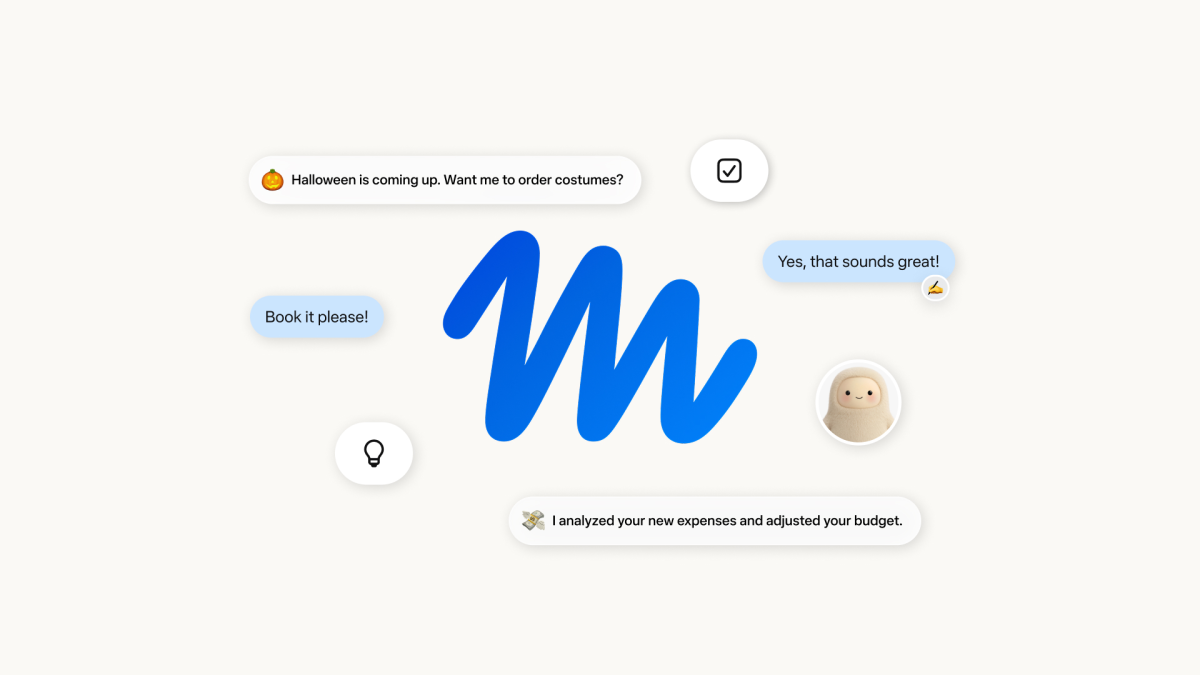
Meta's Muse AI Agent Blocked From Buying on Amazon

Meta's Muse AI assistant cannot buy goods on Amazon.com. The restriction was reported on September 21, 2026. TechCrunch
Attempts to shop on Amazon through Muse return the error message "Continued access by an unauthorized AI agent violates Amazon's Conditions of Use, to which our customers have agreed." The September 21 report credited GeekWire with spotting the message.
The block came less than two weeks after launch. Meta introduced Muse on September 8 as a personal agent able to work inside other apps to send emails and make payments. Reuters Shopping was positioned as a core use case. Meta said the tool will assist with online shopping, buying movie tickets and scheduling appointments. Bloomberg
Muse is offered as a personal agent app with a free tier and monthly subscriptions at $20 or $100 depending on usage. CNBC That puts payment execution inside the paid product. Payment and inbox access require delegated credentials, meaning permission to act with the user's logins, and persistent authenticated sessions, meaning logins that stay active over time. For people who build or manage consumer and business technology, that choice is important. It combines login handling, understanding user intent, and checkout into a single agent system running on outside websites and apps it does not control.
Reuters also reported friction before launch. Internal tests of Muse included stalling and unauthorized exposure of sensitive data. Reuters
The broader context here is permission. Agentic shopping, where an AI completes purchases for you, only works if the retailer accepts the agent as a legitimate stand-in for the user. Amazon's language draws a sharp line. A customer agreeing to Conditions of Use does not automatically extend that agreement to an autonomous program acting for them. Enforcement could involve bot detection, rate limiting, session checks or stopping checkout. The exact method is not public. The policy signal is.
In my view, worth flagging is how quickly shopping becomes the stress test for general-purpose agents. Drafting email tolerates ambiguity. Payments and retail orders do not. Inventory, pricing, tax, shipping and returns create liability with every click. Retailers have strong incentives to keep that transaction inside an API contract they govern, meaning a formal machine-to-machine agreement, with explicit scopes, audit trails and revocation, rather than browser automation that inherits full account privileges.
Looking ahead over the long arc, that constraint may prove productive. If agents must negotiate machine-readable permissions instead of operating logged-in pages as the user, the result should be cleaner delegation models and more reliable checkout paths. My kids grew up clicking buy buttons. Their default may become telling an agent to buy. The difference looks small. The infrastructure underneath is not. Amazon refusing Muse at the storefront clarifies what still needs building.