iPhone 18 Pro Max Ships With Software-Limited Battery to Meet Shipping Rules
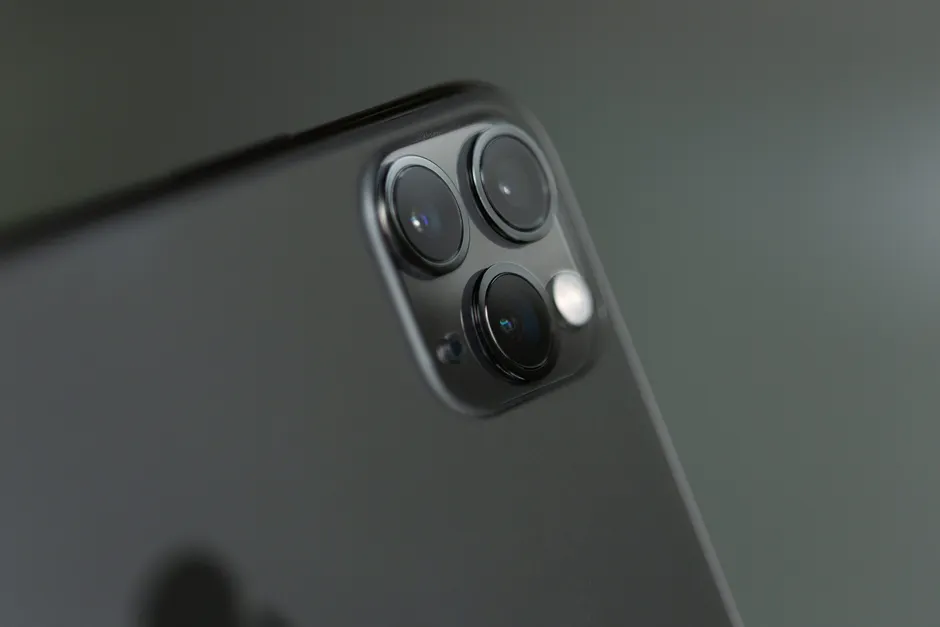
Apple is shipping the iPhone 18 Pro Max with its battery temporarily capped in software to stay under the 20Wh limit for single-cell batteries. The cap clears automatically on first boot, and full capacity returns on activation. The Verge
A Wh, or watt-hour, is a measure of stored energy. After activation, usable capacity depends on the hardware version. The U.S. eSIM-only model, which has no physical SIM tray and frees up internal space, is restored to around 21.75Wh. The European model with a physical SIM slot is restored to around 21.06Wh. Both are above the shipping threshold, which is why the out-of-box limit is required.
Apple states the same behavior in its support article titled 'Prepare your iPhone 18 Pro Max to ship'. A new iPhone 18 Pro Max that has not been activated or taken out of the box has its battery temporarily limited to under 20 Wh. Apple Support
For phones already in use, Apple added a "Prepare to Ship" feature in iOS 27 for the iPhone 18 Pro Max. 9to5Mac The feature discharges the battery to below 20Wh and sets a charge limit to hold it below that threshold during shipping.
It is found at Settings > General > Transfer or Reset iPhone > Prepare to Ship. Once enabled, it restores the shipping limit by capping charging to 80 percent for 14 days. Apple says the battery may need time to discharge before Prepare to Ship completes and may run warmer than usual during the process. Prepare to Ship can be disabled at any time from the settings menu.
The broader context here is familiar to anyone who has dealt with battery transport rules. Instead of fitting a smaller cell to stay under the Wh ceiling or running a separate shipping process for this higher-capacity model, Apple moved the compliance line into battery management firmware. The phone ships as a sub-20Wh device in regulatory terms and only becomes a 21Wh-class device after the user powers it on.
In my view, that shifts the burden from the factory to software, and it affects daily operations. Resale, warranty returns, and refurbishment now have an explicit extra step. Any used iPhone 18 Pro Max sent by air without Prepare to Ship enabled would travel above the single-cell limit it was first certified under. For business fleets and third-party shippers, the Settings state is now as important as the packaging. It is a pragmatic trade that others are likely to copy. As energy per device keeps rising, a firmware-defined shipping state allows larger batteries without rewriting global freight rules. For users, the outcome is unchanged. There is more usable capacity on day one, with the regulatory work hidden behind a first-boot unlock and one menu option when the phone needs to travel again.


